Our hospital selection is informed by the China Hospital Rankings, a widely recognized reference published by the Hospital Management Institute of Fudan University. Official source
145 hospitals found
Addresses identify the listed campus. Confirm your appointment location with the hospital before travelling.
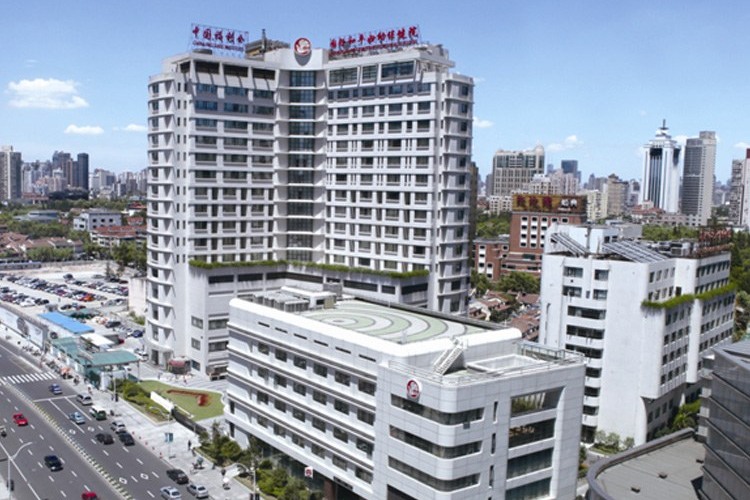
Peking Union Medical College Hospital in Beijing is a tertiary Grade A general hospital combining specialist clinical medicine, clinical research and medical education. Its selected clinical fields include rheumatology and clinical immunology, endocrinology, obstetrics and gynecology, and rare diseases. Condition-specific multidisciplinary consultations bring together relevant specialties for complex cases, while dedicated rare-disease research connects clinical observations with genetic investigation, patient cohorts and multi-omics analysis.
Annual surgeries
53.9K+
Annual outpatients
3.8M+
Language support
Chinese, English, Japanese, French, German, Russian, Korean
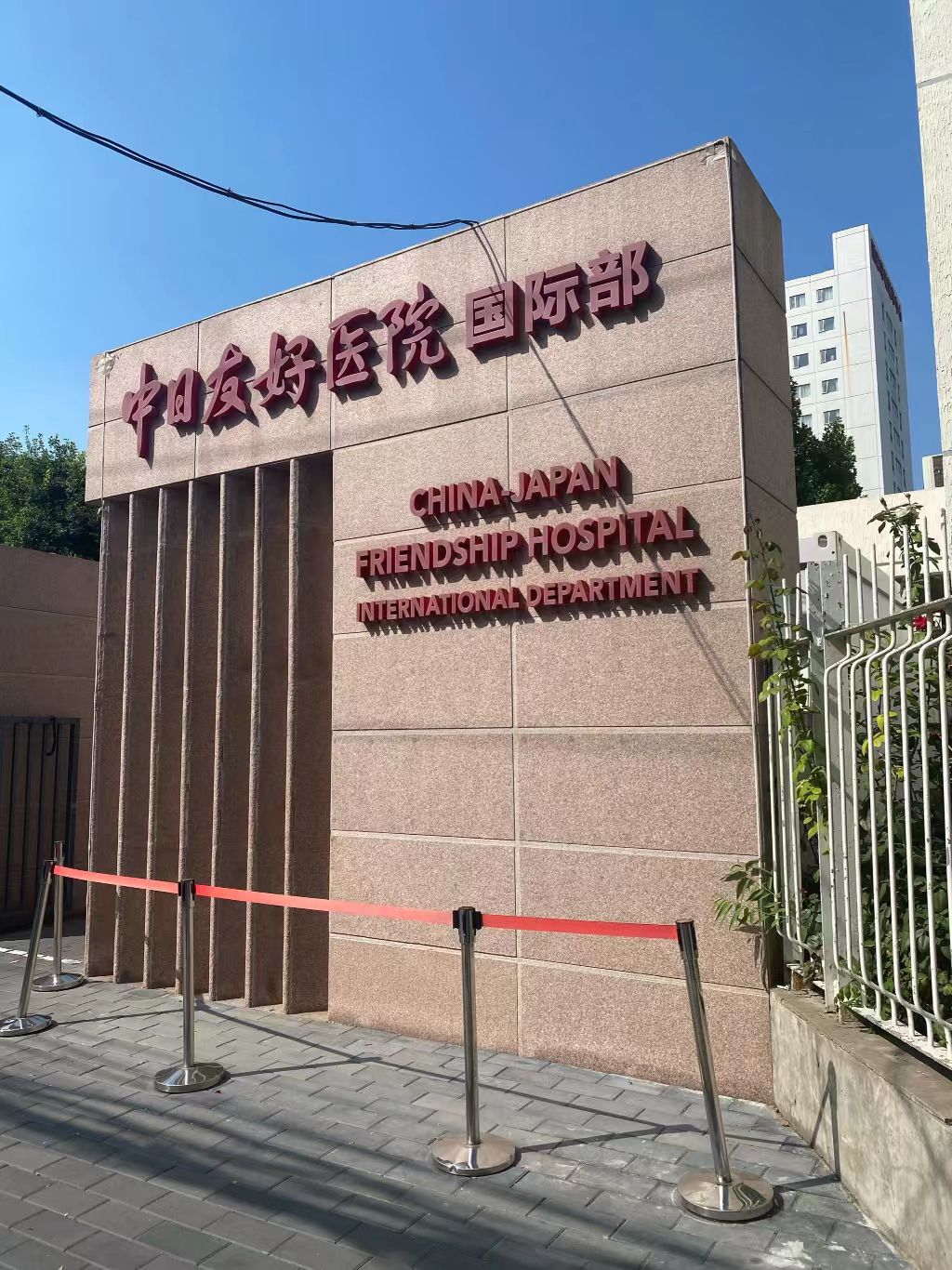
China-Japan Friendship Hospital in Beijing is a tertiary Grade A general hospital with a distinctive respiratory medicine focus. Its integrated respiratory center links pulmonary and critical care, thoracic surgery, TCM lung-disease services, smoking cessation, rehabilitation, research, and training. Clinical fields include COPD, asthma, interstitial lung disease, infections, and pulmonary vascular disorders. Published capabilities range from image-guided bronchoscopic assessment to respiratory support and structured rehabilitation, supported by national respiratory medicine and clinical research platforms.
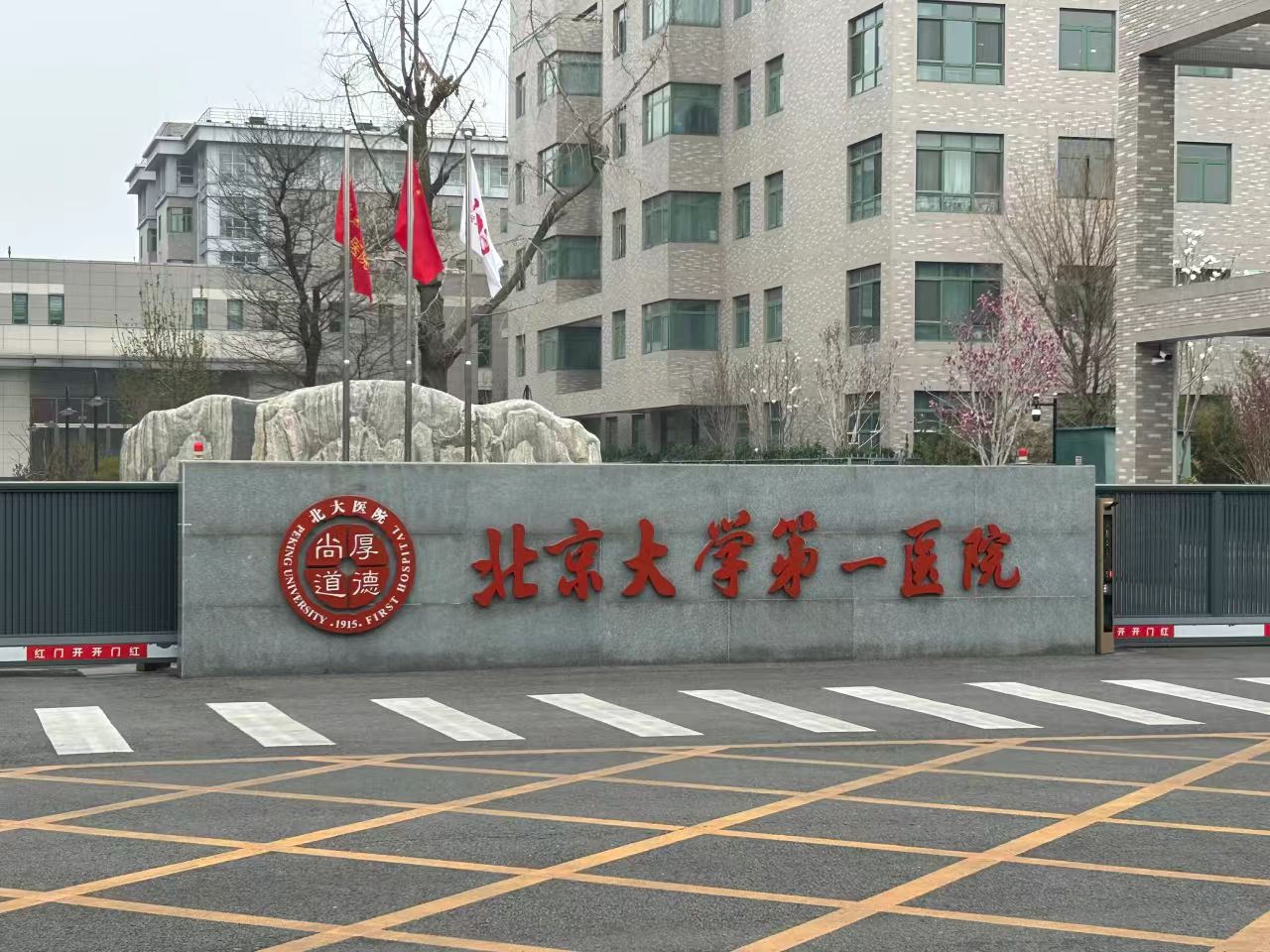
Peking University First Hospital in Beijing is a tertiary Grade A general hospital combining broad medical services with distinctive programs in nephrology, urology, and dermatology. Kidney work spans immune-mediated disease, acute kidney injury, chronic disease progression, and dialysis research. Urology includes documented robot-assisted reconstruction and multidisciplinary cancer care. Dermatology covers skin tumors, fungal infections, blistering disease, and inherited disorders, supported by national clinical research infrastructure. Established in 1915, the hospital connects these specialties with laboratory research, clinical cohorts, and medical education.
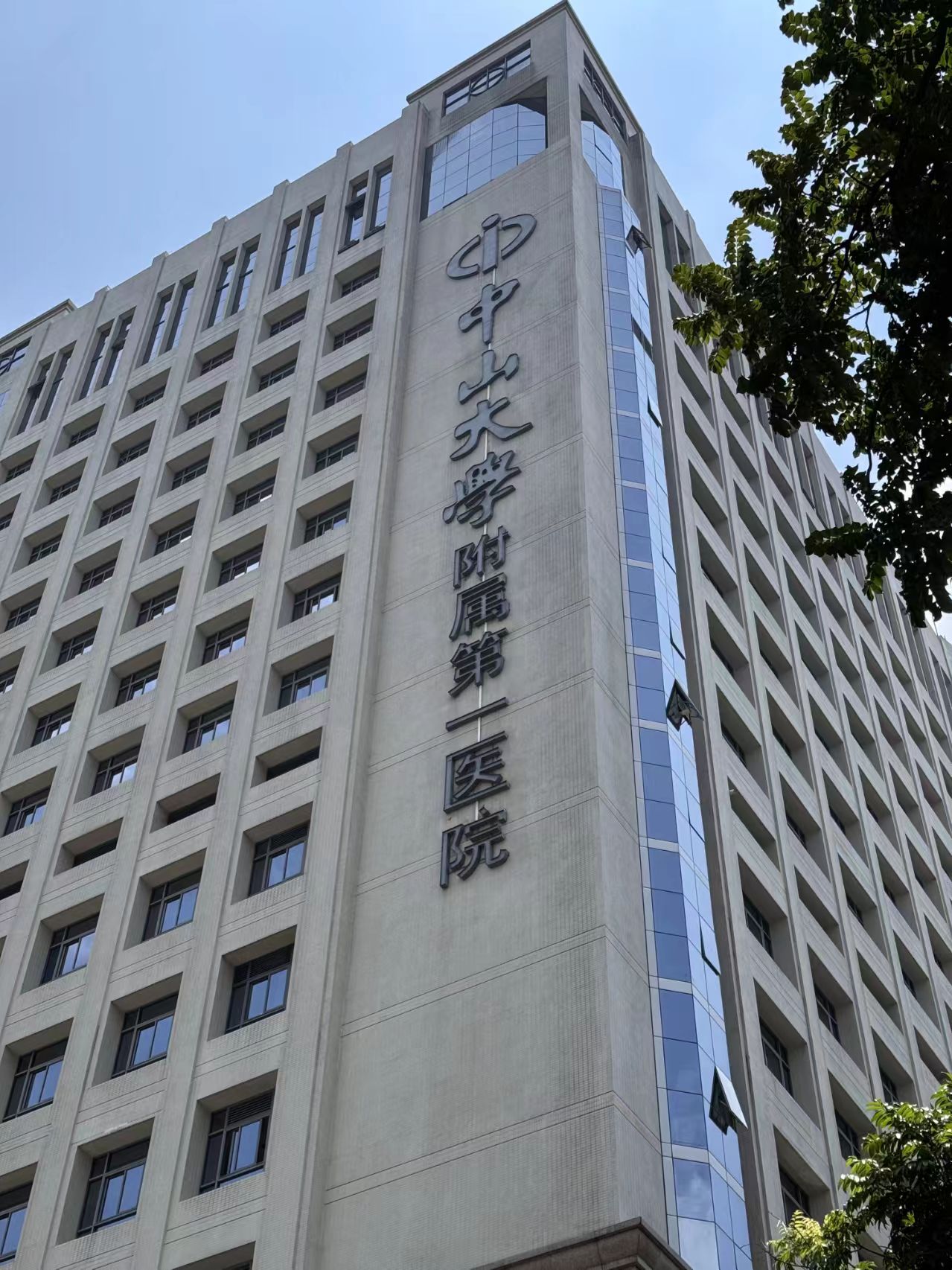
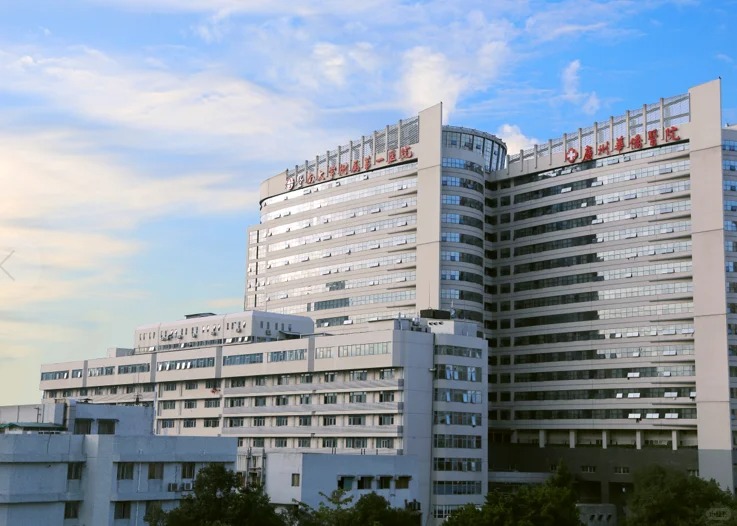
The First Affiliated Hospital, Sun Yat-sen University in Guangzhou has Yuexiu, Huangpu and Nansha campuses. Selected clinical areas include nephrology, neurology, microsurgical trauma and intensive care. Its published specialty descriptions cover immune-mediated kidney disease, stroke and neuromuscular disorders, alongside reconstruction for peripheral-nerve and complex limb injuries. Clinical research includes kidney-disease trials and peritoneal-dialysis studies, supported by renal research laboratories and a vascular-disease diagnosis and treatment engineering platform.
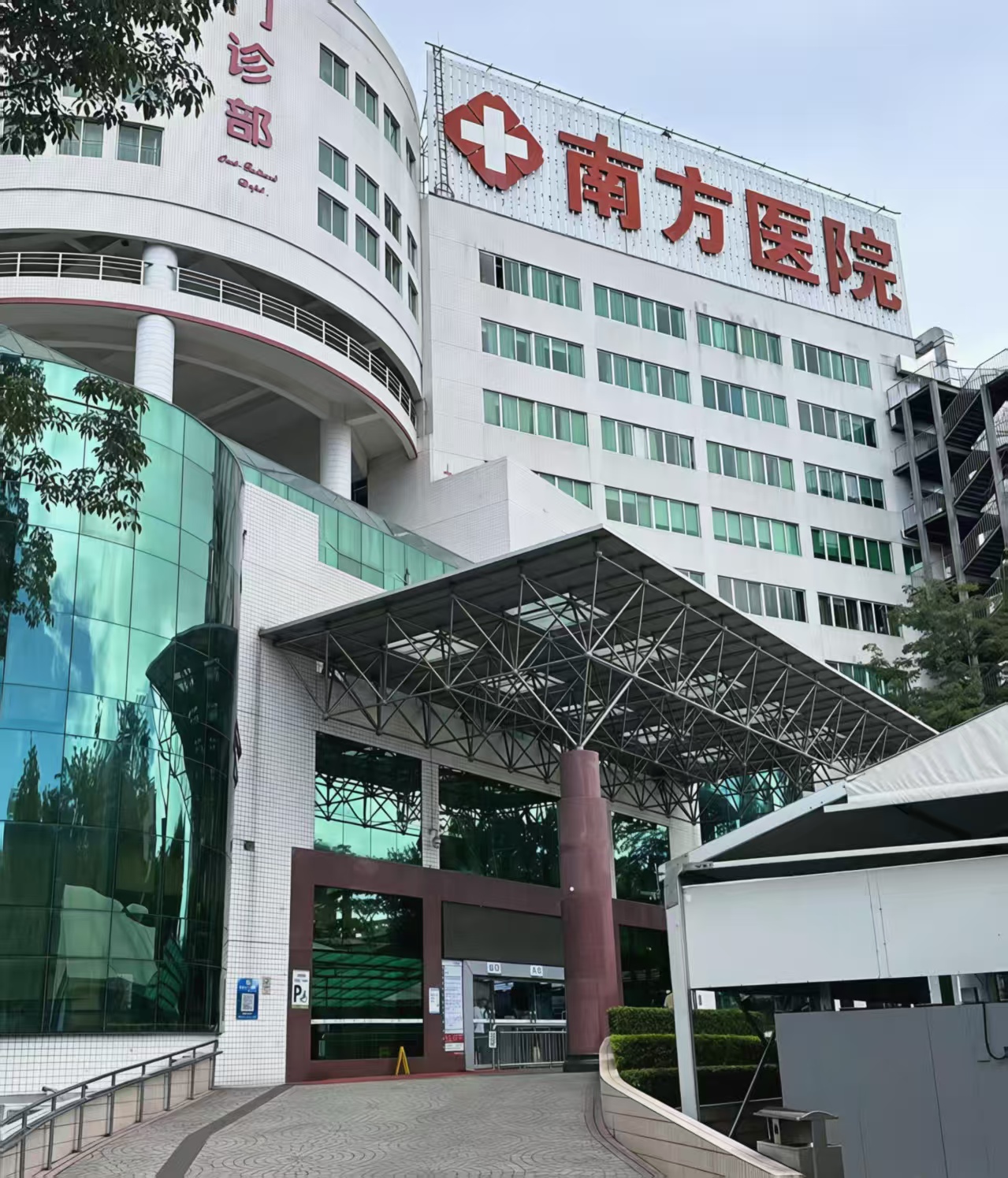
Nanfang Hospital of Southern Medical University in Guangzhou is a tertiary Grade A general hospital affiliated with Southern Medical University. Its documented fields include kidney and digestive diseases, blood disorders, cancer, orthopedics, and respiratory and critical-care medicine. Respiratory services include bronchoscopy, lung-function assessment and sleep-related breathing care. Research connects chronic kidney disease management with digital tools and explores molecular imaging and computer-assisted gastric-cancer surgery. These projects describe specific research directions, not independently functioning AI doctors or guaranteed access to experimental techniques.
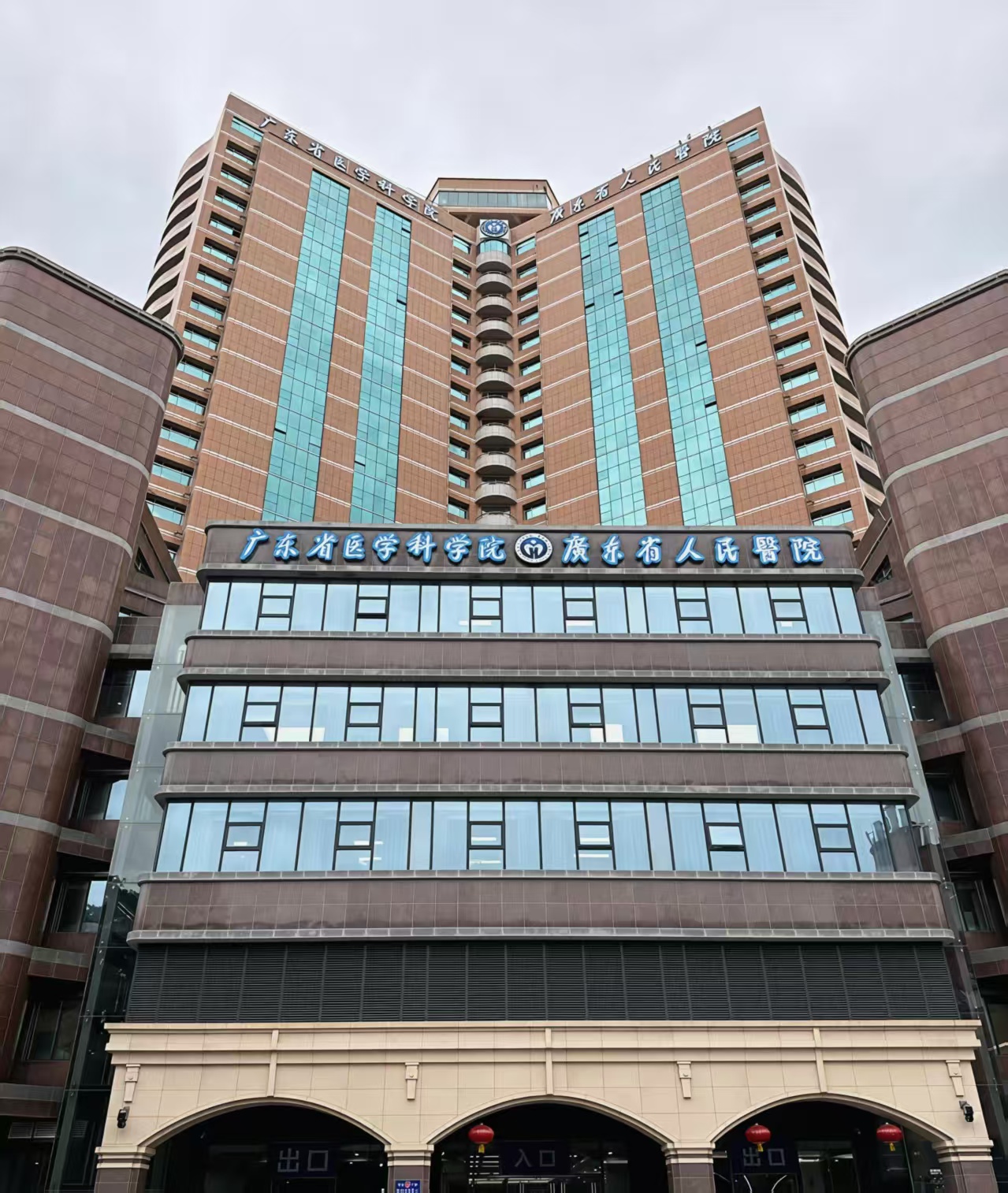
Guangdong Provincial People's Hospital in Guangzhou is a tertiary Grade A general hospital with documented work in cardiovascular medicine, heart surgery, lung cancer and kidney disease. Cardiac services span catheter procedures, valve surgery and rehabilitation. Lung-cancer care uses molecular classification to help plan treatment and includes multidisciplinary psychological support. Research examines selected genetic forms of lung cancer and the immune and genetic features of chronic kidney disease. Suitability for a particular procedure or study depends on specialist assessment.
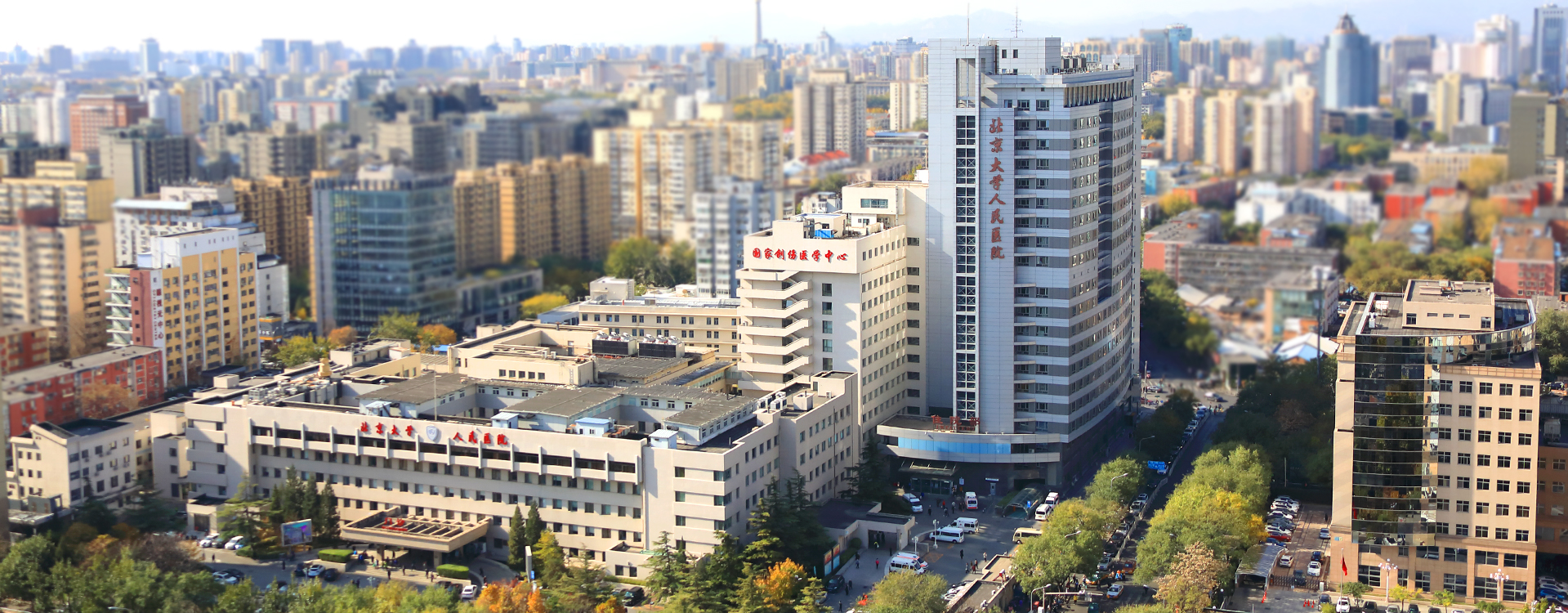
Peking University People's Hospital in Beijing, founded in 1918, combines general hospital care with medical education and research. Distinctive areas include hematology and stem cell transplantation, trauma and orthopedics, and rheumatology and immunology. Its hematology team developed the Beijing Protocol for haploidentical transplantation. Orthopedic work spans fractures, peripheral nerve injuries, and joint-specific surgery, while rheumatology addresses conditions including rheumatoid arthritis, lupus, and Sjögren’s syndrome, supported by diagnostic and immunological research.
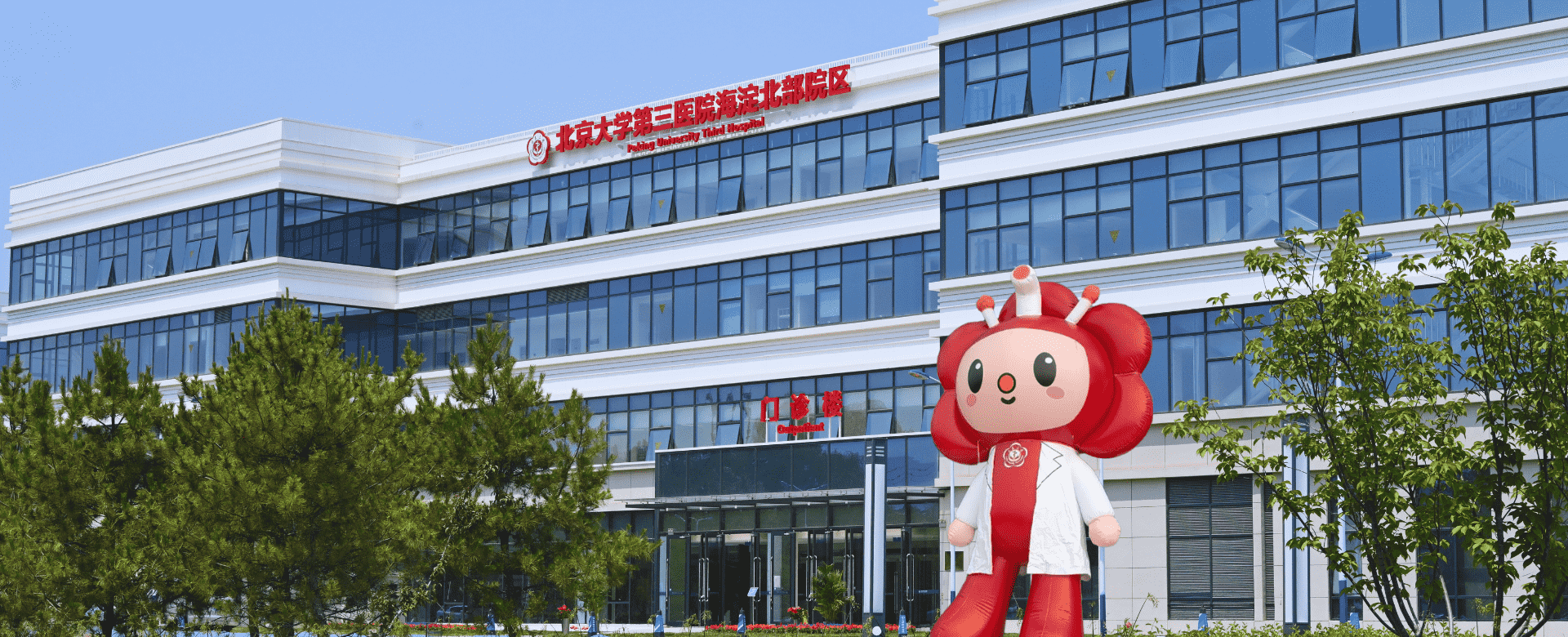
Peking University Third Hospital in Beijing, founded in 1958, is a tertiary Grade A general hospital with distinctive programs in orthopedics, sports medicine, and reproductive medicine. Its sports institute combines injury treatment, rehabilitation, nutrition, and medical supervision, with joint-specific surgical teams. Orthopedic work includes spinal disease and translation of 3D-printed implants. The reproductive medicine center, birthplace of mainland China’s first IVF baby, combines infertility care with reproductive endocrinology and fertility research.
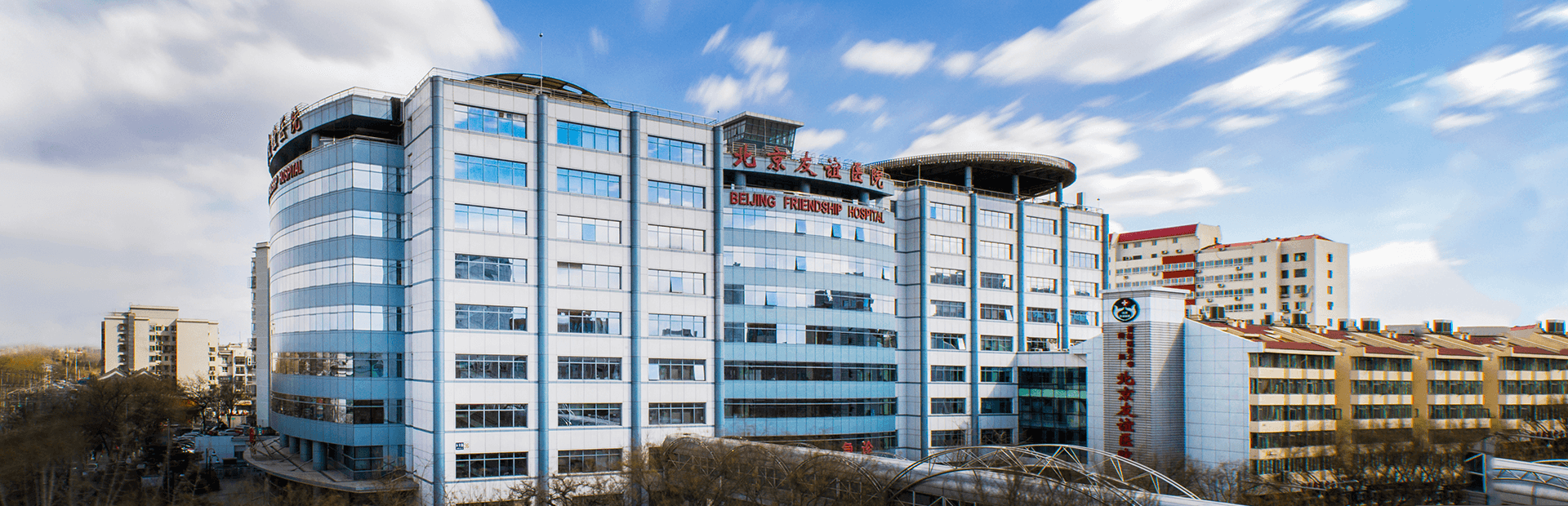
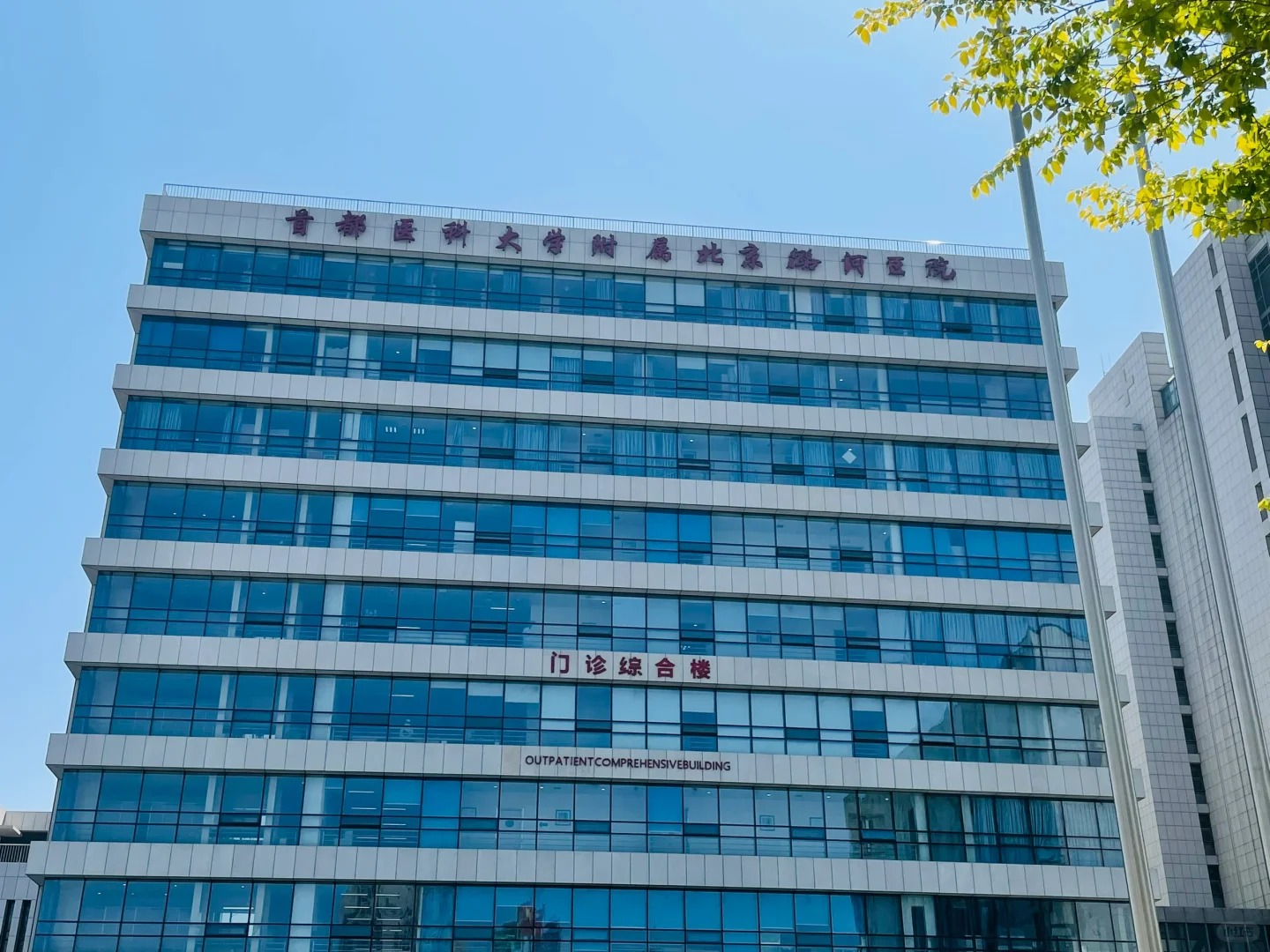
Beijing Friendship Hospital, Capital Medical University in Beijing combines comprehensive care with a particular focus on digestive and liver diseases. Its national clinical research center and digestive-health laboratory support work on gastrointestinal precancer, early cancer, cirrhosis, and minimally invasive techniques. A hosted multidisciplinary portal-hypertension center links medical, endoscopic, interventional, and surgical teams. Urology, kidney care and blood purification, and the hospital’s tropical medicine institute add distinct clinical and research fields to this Capital Medical University teaching hospital.
Beijing Tiantan Hospital, Capital Medical University in Beijing, is a tertiary Grade A general hospital founded in 1956 with a distinctive focus on clinical neuroscience. Neurosurgical services include skull-base and brainstem tumors, spinal disorders, and functional neurosurgery. Its neurology center spans cerebrovascular disease, epilepsy, movement and cognitive disorders, while rehabilitation teams provide physical, occupational, speech, and swallowing therapies. National neurological medicine and clinical research platforms support its clinical and scientific work.
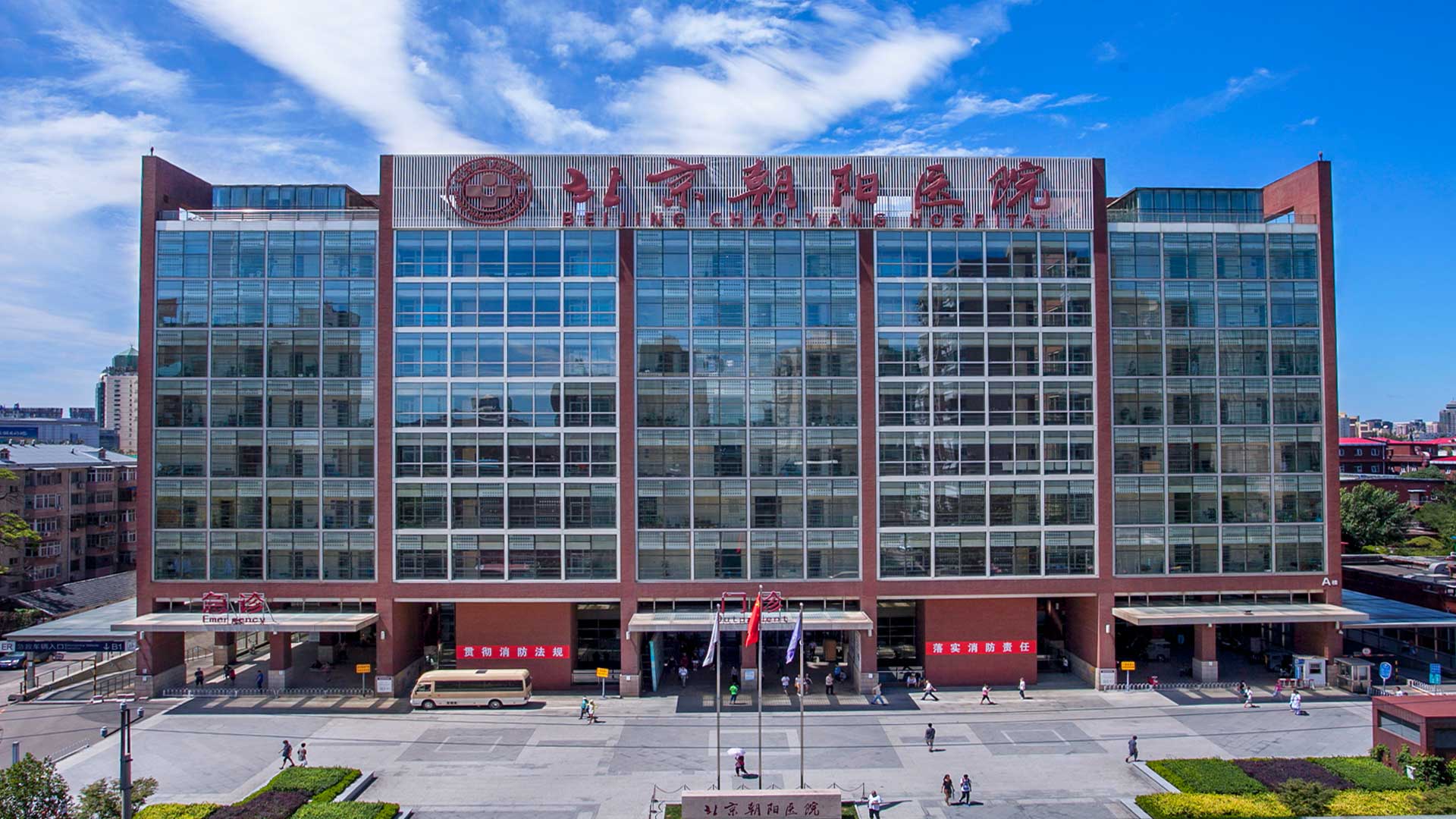
Beijing Chao-Yang Hospital, Capital Medical University in Beijing, is a tertiary Grade A general hospital founded in 1958 and home to the Beijing Institute of Respiratory Medicine. Its respiratory work spans pulmonary vascular disease, respiratory failure, sleep disorders, and laboratory-supported research. Other distinct fields include cardiology, emergency medicine, occupational and poisoning medicine, and hyperbaric oxygen medicine. The hospital operates Dongdaqiao, Shijingshan, and Changying campuses, with clinical services and research infrastructure distributed across its wider organization.
Annual surgeries
65K+
Annual outpatients
3.8M+
Language support
Chinese, English, Japanese, French, German, Korean
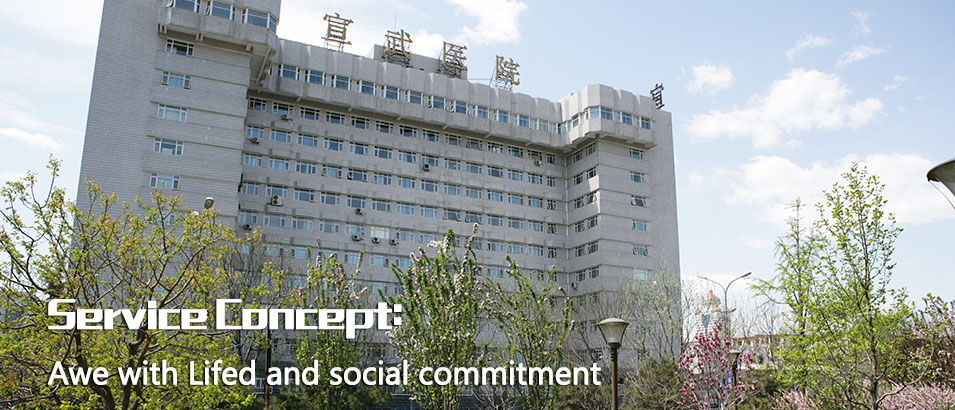
Xuanwu Hospital Capital Medical University in Beijing, is a tertiary Grade A general hospital founded in 1958, with neuroscience and geriatric medicine as central strengths. Its clinical profile includes multidisciplinary cerebrovascular care, skull-base and brain-tumor surgery, and Parkinson’s assessment and deep brain stimulation follow-up. PET/MR supports neurological imaging and research. National geriatric research programs examine dementia, movement disorders, cardiovascular and cerebrovascular comorbidity, and care challenges affecting older adults.
Beijing Hospital in Beijing combines general hospital care with a particular focus on older adults as the National Center of Gerontology. Its documented work includes comprehensive geriatric assessment, multidisciplinary palliative care, and urology teams addressing cancer, adrenal disease, and continence. Research connects clinical problems with laboratory methods, including single-cell studies of bladder pain syndrome. Recent funded projects examine immune aging and digital approaches to managing atrial fibrillation in older people.
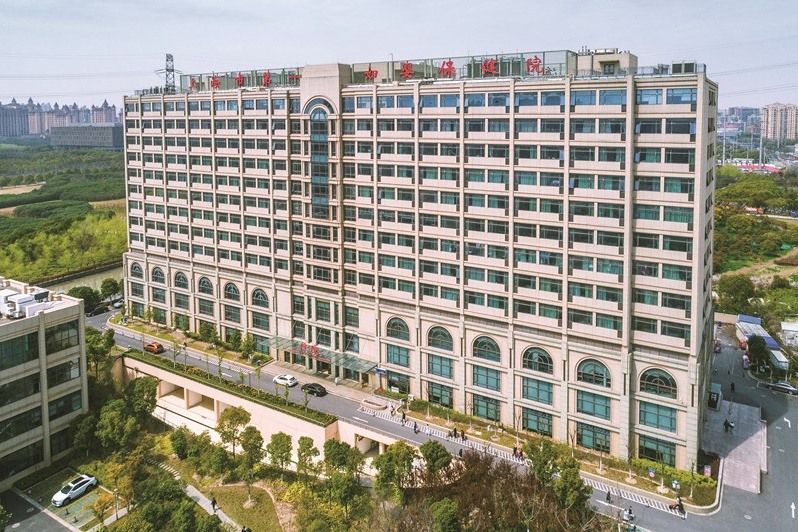
Beijing Tsinghua Changgung Hospital in Beijing is a public general hospital jointly developed with Tsinghua University and Beijing. Opened in 2014, it organizes several specialties around integrated clinical centers. Its hepatobiliary and pancreatic center combines surgery, medicine, oncology, intervention, and intensive care. The digestive center links endoscopy with gastrointestinal medicine and surgery, including inflammatory bowel disease care. Research draws on medical-engineering collaboration, with work in digital liver-surgery planning and clinical biobanking.
Peking University International Hospital in Beijing is a nonprofit, non-government-run general hospital in Changping and Peking University’s Eighth School of Clinical Medicine. Its cancer center emphasizes digestive-system tumors and multidisciplinary care, complemented by retroperitoneal tumor surgery and radiation oncology. Geriatric services address movement and memory disorders, frailty, and functional assessment. A central laboratory supports research through molecular-biology, cell-biology, and biobank platforms, connecting the hospital’s clinical, educational, and scientific activities.
Annual surgeries
23.8K+
Annual outpatients
1.3M+
Language support
Chinese, English, Japanese, Korean, Arabic, French
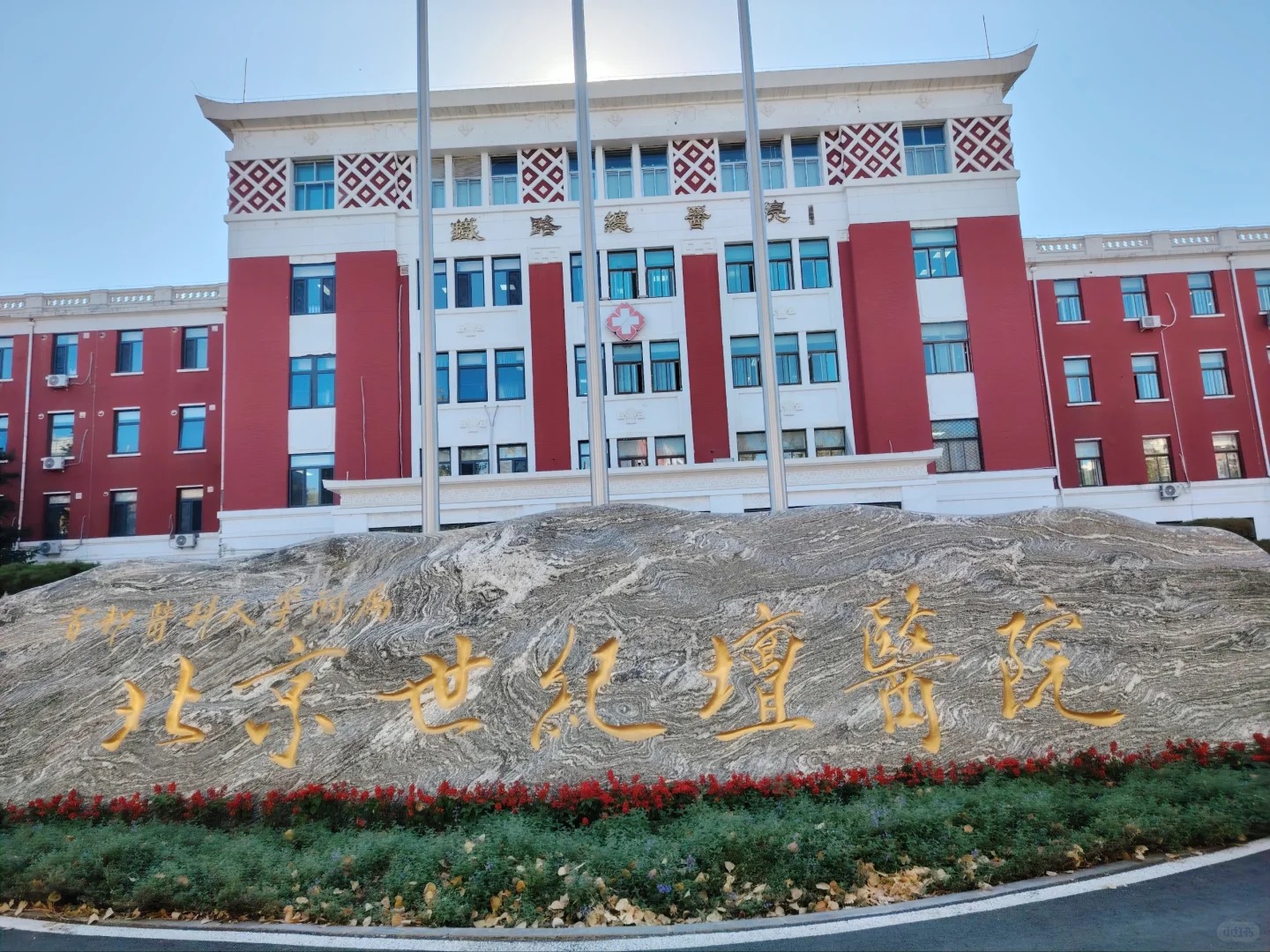
Fuwai Hospital, Chinese Academy of Medical Sciences in Beijing, founded in 1956, is a tertiary Grade A cardiovascular specialty hospital and home to the National Center for Cardiovascular Diseases. Its published clinical programs include coronary critical care, hypertension, cardiomyopathy, cardiac surgery, and rehabilitation. Research spans heart-failure support devices, cardiac remodeling, and perioperative clinical trials. Multidisciplinary rehabilitation combines exercise assessment with nutritional and psychological support, while specialist training links clinical practice with cardiovascular education and research.
Beijing Anzhen Hospital, Capital Medical University in Beijing is a tertiary Grade A general hospital centered on heart, lung, and vascular disease. Its specialist programs include aortic disease and complex heart-rhythm disorders, with published work in catheter ablation for atrial fibrillation. A linked cardiovascular research institute, clinical biospecimen resources, and a laboratory studying cardiovascular remodeling connect clinical practice with epidemiology, molecular mechanisms, imaging, and translational research.
Beijing Tongren Hospital, Capital Medical University in Beijing combines general hospital services with a strong focus on eye disease and ear, nose, throat, head and neck conditions. Its ophthalmic day-surgery program has documented cataract procedures and intravitreal injections, while ocular-oncology work covers tumors of the eyelid, eye, and orbit. Affiliated eye, ENT, and diabetes research institutes support this clinical identity, alongside research into hearing, nasal disease, airway obstruction, and voice disorders.
Beijing Jishuitan Hospital in Beijing is a tertiary Grade A general hospital whose documented fields include orthopedics, hand surgery, sports medicine, burns, and wound repair. Its sports medicine work includes arthroscopic and minimally invasive treatment of major limb joints, linked with assessment and rehabilitation. Designated a National Center for Orthopedics in 2022, it also supports orthopedic robotics research and university-level training in burns and wound repair.
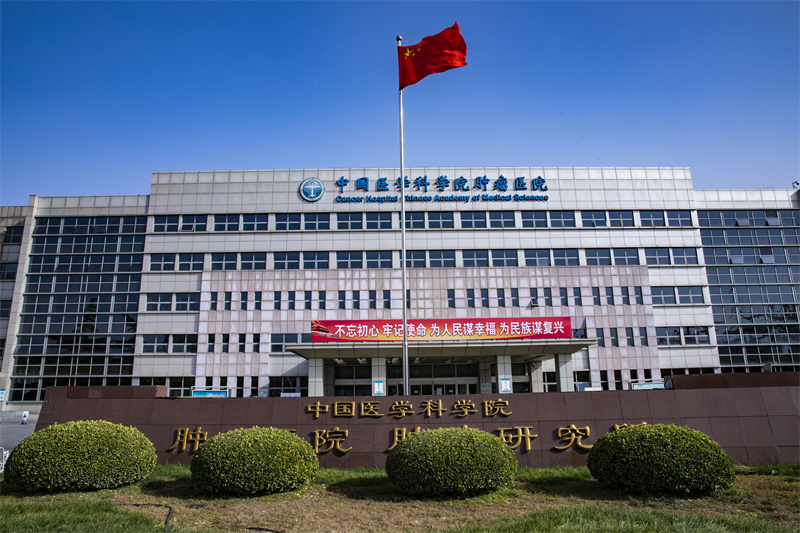
Cancer Hospital Chinese Academy of Medical Sciences in Beijing combines specialist cancer treatment with the National Cancer Center’s clinical and research roles. Thoracic surgery covers lung, esophageal, mediastinal, and other chest tumors, including minimally invasive approaches. Radiotherapy links clinical teams with medical physics and radiobiology and documents techniques such as IMRT, image guidance, and brachytherapy. Molecular oncology and population-based prevention research complement surgery, systemic treatment, radiotherapy, and interventional care.
Peking University Cancer Hospital in Beijing is a specialist cancer hospital with gastrointestinal and thoracic cancer centers and multidisciplinary treatment programs. Gastrointestinal teams describe minimally invasive and function-preserving operations alongside combined treatment for more advanced disease. Its endoscopy center supports early digestive cancer assessment, endoscopic resection, image-guided tissue sampling, and management of selected obstructions. Cancer registration, population prevention work, and translational research connect patient care with a wider public-health role.
Beijing Children's Hospital, Capital Medical University in Beijing is a comprehensive tertiary Grade A pediatric hospital and a national children’s medical center. Its documented specialties include respiratory medicine, hematology and oncology, neonatal medicine and surgery, intensive care, and rehabilitation. A national respiratory research center studies infections, airway and rare diseases, and sleep-related breathing disorders. Hematology-oncology work combines disease-specific teams, laboratory characterization, and long-term attention to treatment effects, growth, and development.
Annual surgeries
83.1K+
Annual outpatients
3.7M+
Language support
Chinese, English
Pediatrics of Integrated Chinese and Western Medicine
Capital Institute of Pediatrics in Beijing links childhood research with an affiliated tertiary Grade A children’s hospital. Its clinical departments describe respiratory subspecialties, developmental assessment, and general and neonatal surgery. Documented methods include bronchoscopy, sleep studies, and minimally invasive surgery for selected childhood conditions. Research examines developmental nutrition, viral pathogens, and birth defects through molecular and omics approaches. The institute and its affiliated clinical hospital should be distinguished when planning care.
Beijing Obstetrics and Gynecology Hospital, Capital Medical University in Beijing combines specialist women’s care with maternal and child health responsibilities. Its fields include high-risk pregnancy, fetal medicine, gynecologic oncology, reproductive medicine, and medical genetics. Published accounts describe multidisciplinary fetal assessment and minimally invasive gynecologic surgery. Research explores birth defects and fetal imaging. A July 2026 regulatory decision approved preimplantation genetic diagnosis at its 251 Yaojiayuan Road site, without establishing eligibility for every patient.
Annual surgeries
35K+
Annual outpatients
1.2M+
Language support
Chinese, English, Japanese
Gynecological Minimally Invasive Center
Integrated Traditional Chinese and Western Medicine Gynecology
Peking University School and Hospital of Stomatology (PKU-SS) in Beijing combines dental care, education, and research, with roots dating to 1941. Its 2020 departmental account describes specialties ranging from endodontics and periodontics to maxillofacial surgery, orthodontics, and pediatric dentistry. It is part of the National Center for Stomatology and supports multicenter oral-disease research. Academic work includes digital dentistry, biomaterials, regeneration, and functional reconstruction, with experimental devices and materials clearly distinguished from established clinical services.
Beijing Stomatological Hospital, Capital Medical University in Beijing is a municipal dental hospital founded in 1945. Its documented specialties include endodontics, orthodontics, prosthodontics, maxillofacial surgery, and age-specific dental care. Specialized centers address microscopic dentistry and speech rehabilitation. Its main campus has moved from Tiantan to Fengtai. Research includes AI-supported dentistry and collaborative studies of salivary function, tooth development, and tissue regeneration, with experimental findings kept separate from available treatments.
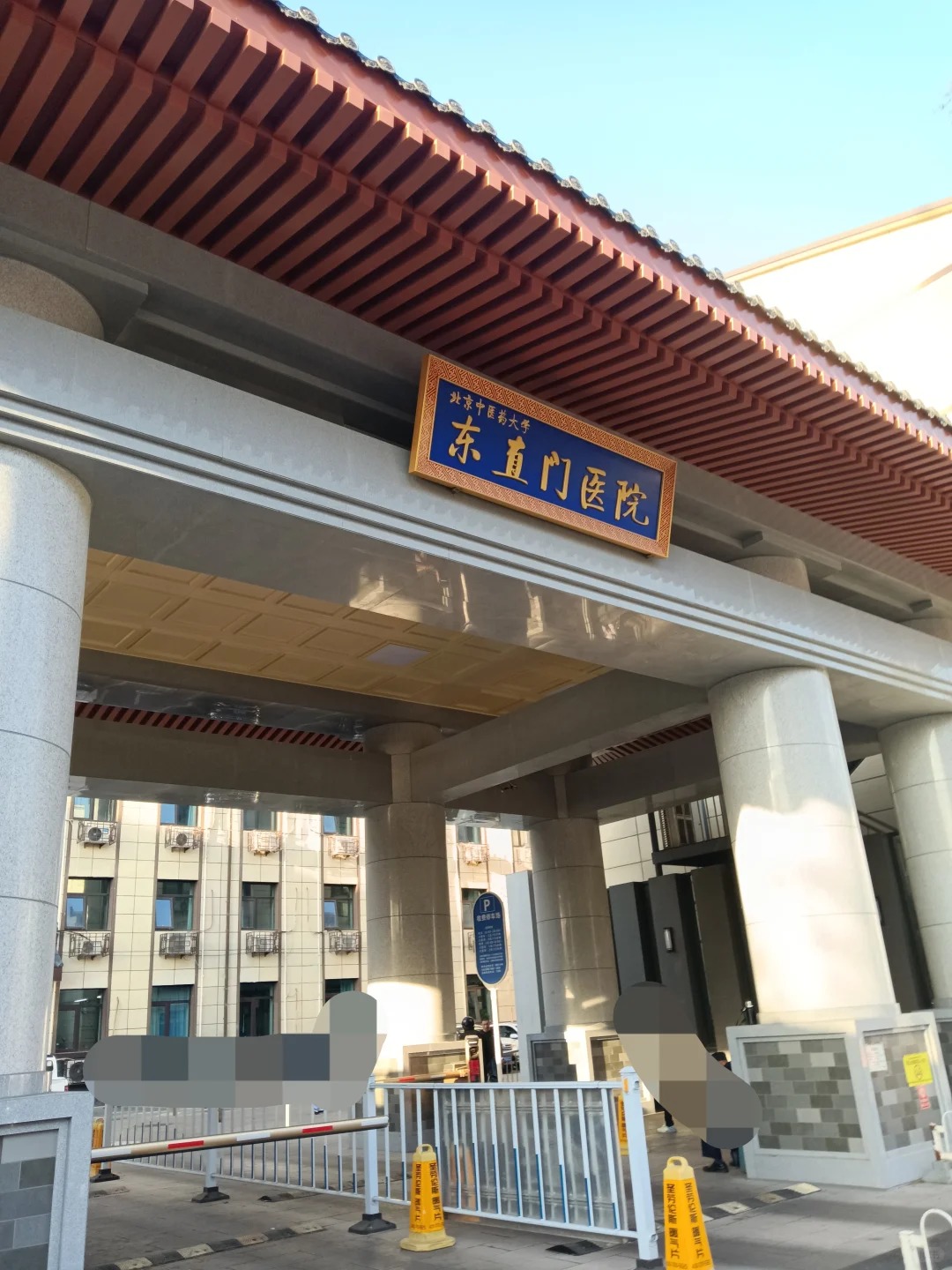
Dongzhimen Hospital, Beijing University of Chinese Medicine in Beijing, established in 1958, is Beijing University of Chinese Medicine’s First Clinical Medical College. Its national clinical research base studies conditions including stroke, Alzheimer’s disease, diabetic kidney disease, and chronic hepatitis B. A multidisciplinary center opened in 2025 for complex and rare neurological disorders. Other documented research collaborations involve digestive and liver disease, andrology, cardiology, and rheumatology, alongside work on digital chronic-disease care and rehabilitation.
Xiyuan Hospital, China Academy of Chinese Medical Sciences in Beijing combines clinical care with research as part of the China Academy of Chinese Medical Sciences. Its documented specialties include cardiovascular medicine, digestive disease, hematology, and geriatrics. Cardiovascular services include catheter-based care and pacemakers, while digestive services link endoscopy with motility assessment. Research extends from blood disorders and clinical pharmacology to laboratory studies of cardiovascular disease, neurodegeneration, and diabetic complications, reflecting its hospital-and-institute structure.
Beijing Hospital of Traditional Chinese Medicine, Capital Medical University in Beijing, founded in 1956, combines general hospital care with TCM education and research. Documented specialties include dermatology, digestive medicine, acupuncture-neurology, nephrology, and oncology. Dermatology connects clinical assessment with light-based and topical approaches, while digestive research addresses inflammatory, functional, and precancerous conditions. Published neurological services span acute stroke care and rehabilitation, supported by research into acupuncture and neuromodulation.
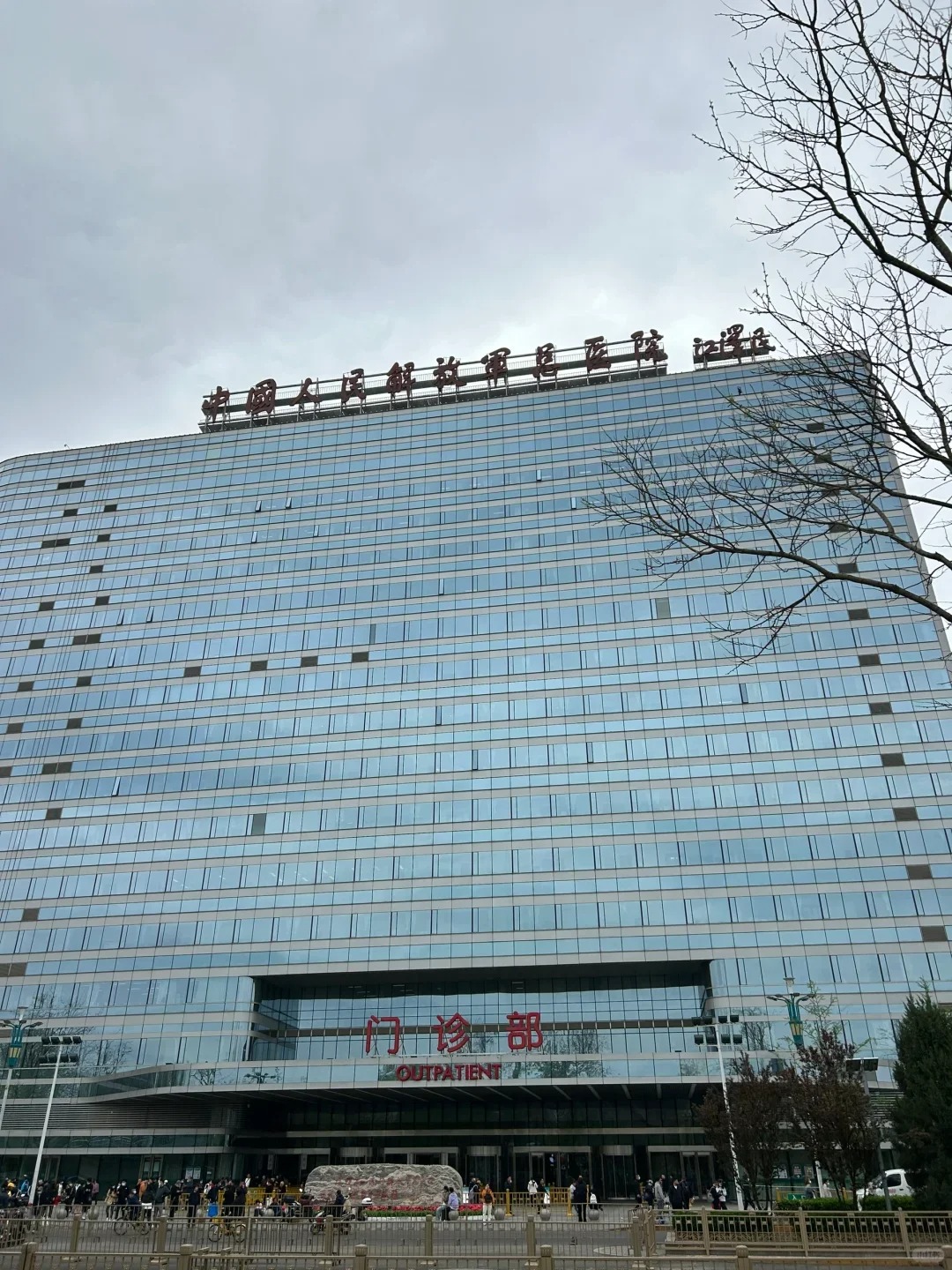
Chinese People's Liberation Army General Hospital (301 Hospital) in Beijing brings general hospital care, education, and research together across multiple medical centers. Documented research includes a 2024 retrospective comparison of endoscopic and laparoscopic management of gastric stromal tumors. A government list records acceptance of a First Medical Center 5G neurological-care pilot. Current services and access to particular technologies require separate confirmation.
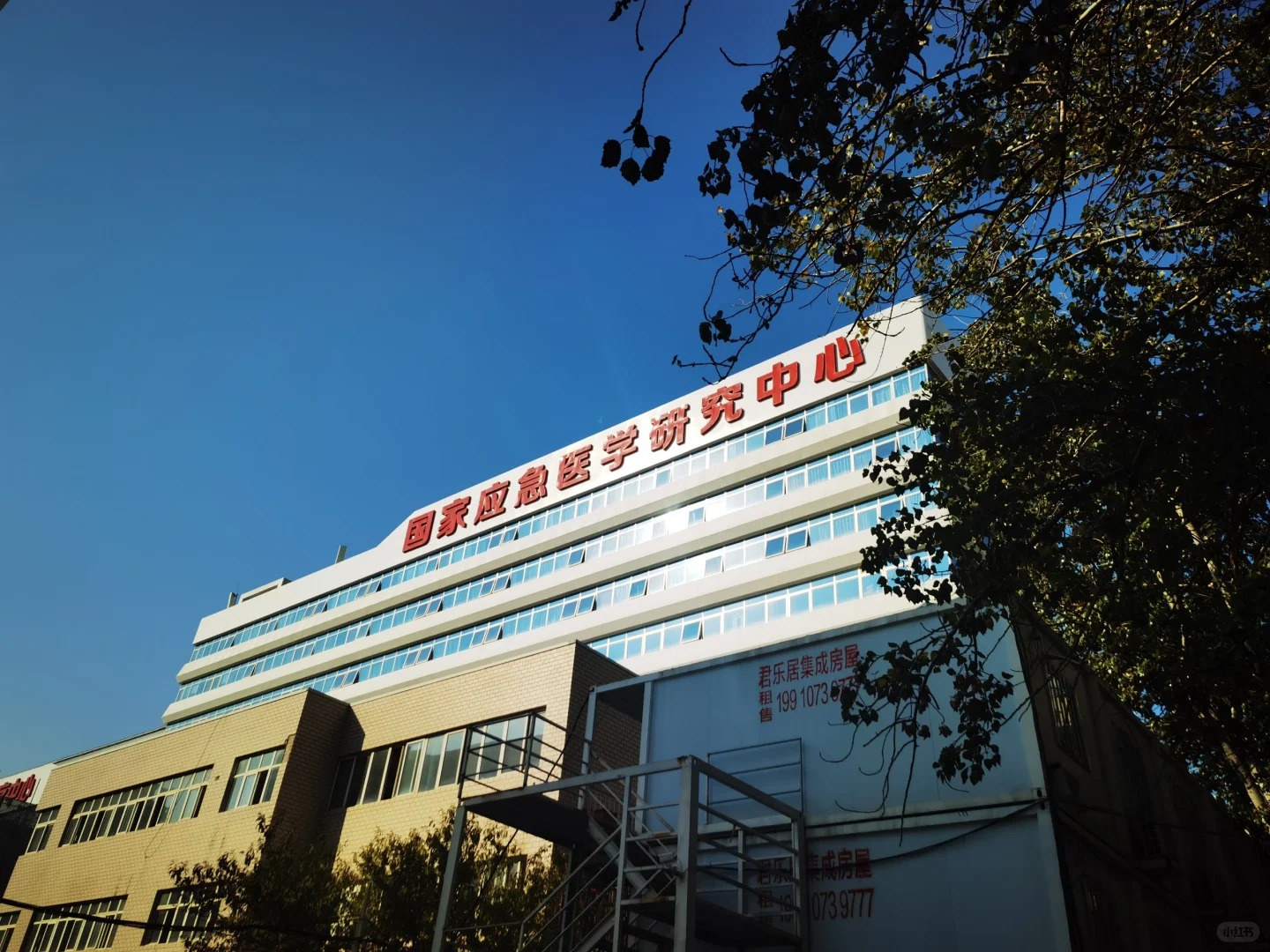
Emergency General Hospital in Beijing is a tertiary public general hospital under China’s Ministry of Emergency Management. Alongside routine clinical and teaching work, its published activities include multidisciplinary emergency care, respiratory critical care, and a 2022 account of bronchoscopic treatment for airway narrowing and fistulas. It provides the institutional base for a national emergency-medicine research center and rescue teams. A government-listed 5G emergency-care pilot adds a digital-health dimension to its emergency and disaster-medicine focus.
Founded in 1946, Beijing Ditan Hospital, Capital Medical University is a tertiary Grade A hospital affiliated with Capital Medical University, with a particular focus on infectious diseases. Its 2024 departmental accounts list liver disease, HIV care, intensive care, cardiology and neurology. The hospital hosts the National Medical Center for Infectious Diseases in Beijing and combines clinical microbiology and infection research with laboratory studies of the links between gut microbes, immunity and liver cancer.
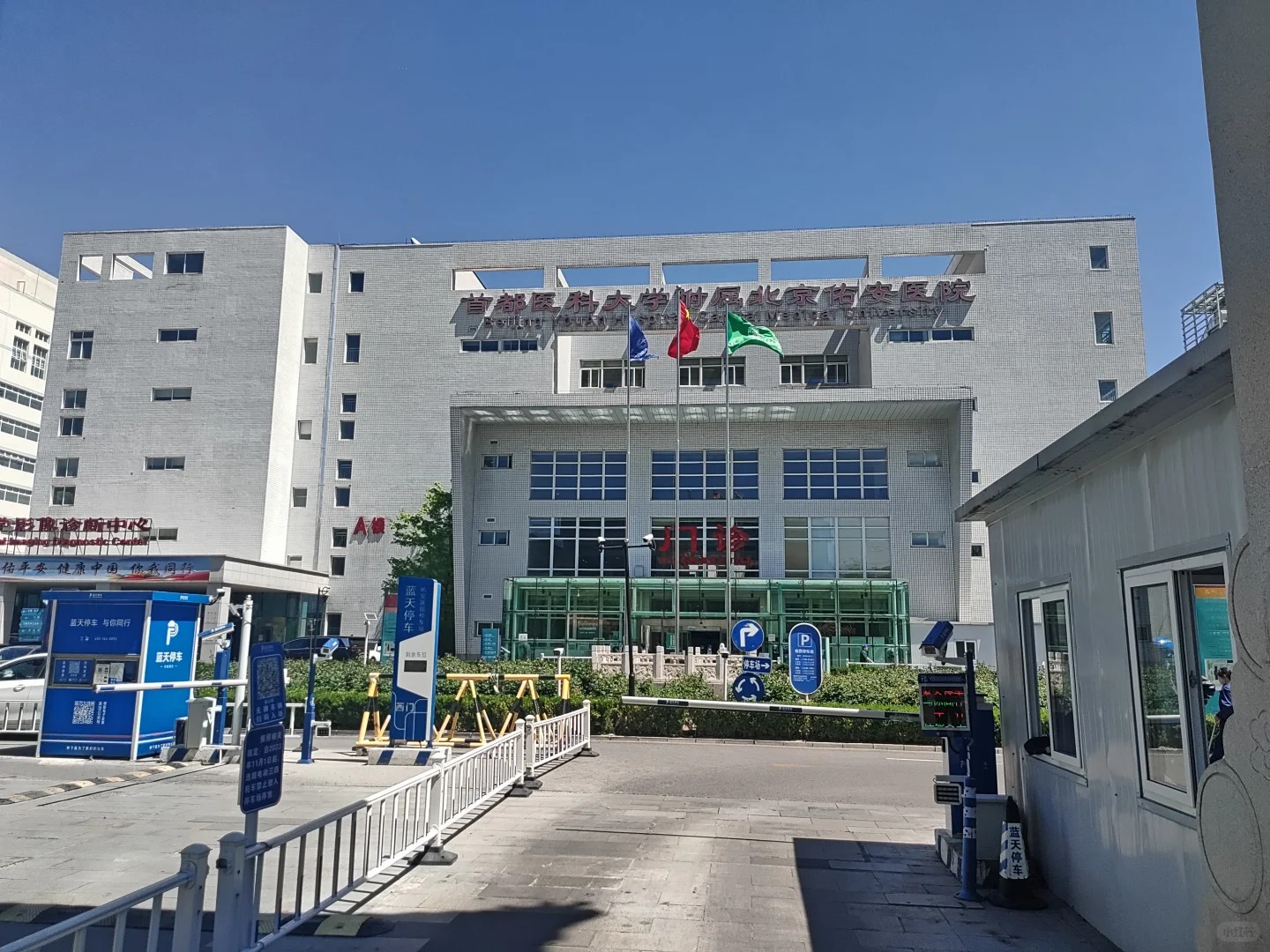
Beijing Youan Hospital, Capital Medical University in Beijing, founded in 1956 and affiliated with Capital Medical University, is a tertiary Grade A hospital with an emphasis on liver and infectious diseases. Its services bring together liver medicine and surgery, tumor intervention, medical oncology and infection care. The university’s liver cancer center describes care from high-risk screening through follow-up, including imaging-guided ablation, while the on-campus Beijing Institute of Hepatology supports cell, protein and clinical-sample research.
Annual surgeries
15K+
Annual outpatients
1.2M+
Language support
Chinese, English
Center for Oncology and Minimally Invasive Interventional Therapy
Hepatobiliary and Pancreatic Surgery
Center for Integrative Chinese and Western Medicine
Established in 1957, Plastic Surgery Hospital, Chinese Academy of Medical Sciences in Beijing is a tertiary Grade A specialist hospital and a teaching hospital of Peking Union Medical College. Its fields include scar and wound care, cleft lip and palate, craniofacial surgery, ear reconstruction and vascular anomalies. Clinical teams use digital planning for some reconstructive procedures, while researchers investigate tissue engineering, congenital differences and the biology of wound healing.
Beijing Shijitan Hospital, Capital Medical University in Beijing, founded in 1915, is a tertiary Grade A general hospital affiliated with Capital Medical University. Its documented fields include medical oncology, lymphoma, peritoneal tumors, lymphatic surgery and allergy care. Distinctive work includes research on combined surgery and heated abdominal chemotherapy for selected peritoneal diseases, clinical research on lymphatic circulation disorders, and a laboratory studying metabolism, nutrition and foods for special medical purposes in cancer care.
Founded in 1878, Beijing Luhe Hospital, Capital Medical University in Beijing is a tertiary general hospital and a clinical teaching hospital of Capital Medical University. Its documented work includes cardiovascular intervention, chronic leg-vein disease, diabetes and related heart and kidney complications. Recent projects connect imaging and robot-assisted coronary procedures with clinical research, while a diabetes service study and a nurse-developed arterial compression device illustrate its work on care organization and practical medical engineering.
Peking University Sixth Hospital is a tertiary Grade A psychiatric hospital in Beijing and a national center for mental-health care and clinical research. Its specialties include child and geriatric psychiatry, clinical psychology, sleep medicine and psychiatric rehabilitation. Sleep assessment includes overnight physiological monitoring, while research combines genetics, brain imaging and cognitive assessment to investigate mental disorders across different stages of life.
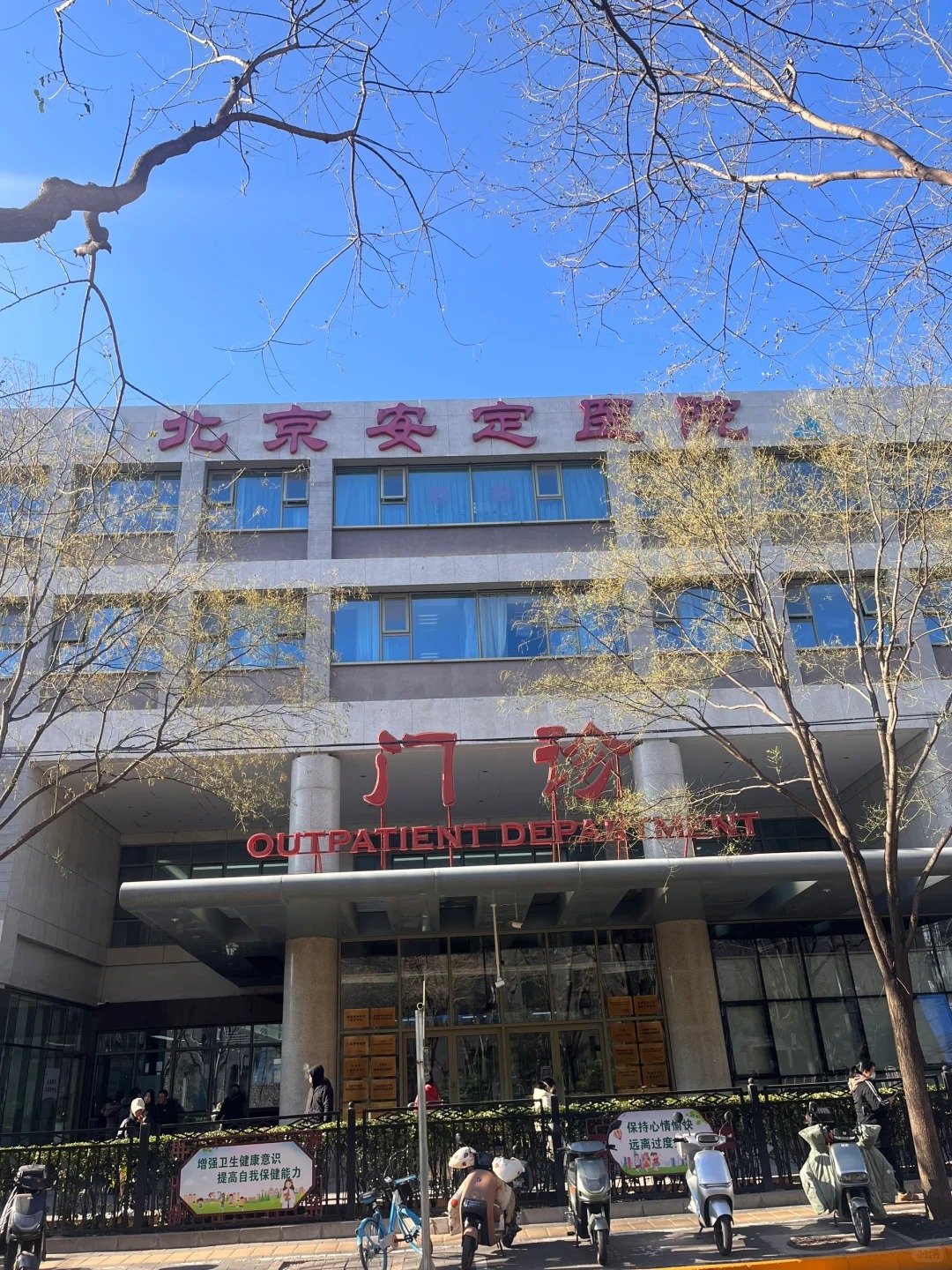
Beijing Anding Hospital, Capital Medical University in Beijing, affiliated with Capital Medical University, is a municipal tertiary Grade A psychiatric hospital with national mental-health medical and clinical research centers. Clinical fields include depression, bipolar disorder, clinical psychology, and child and geriatric psychiatry. Its research combines long-term depression follow-up with standardized biological sampling and imaging, while its clinical laboratory supports therapeutic drug monitoring and psychiatric pharmacology.
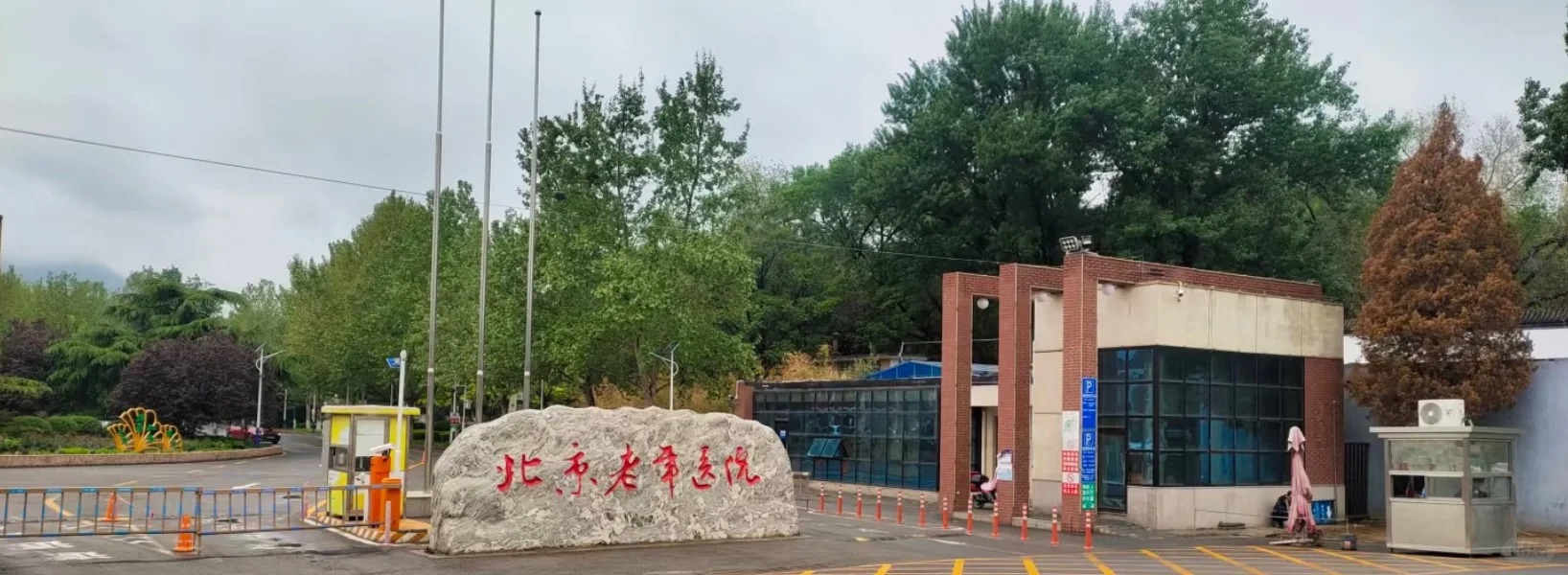
Founded in 1949, Beijing Geriatric Hospital in Beijing is a nonprofit tertiary general hospital focused on older adults. Its care model connects prevention and disease treatment with rehabilitation, long-term care and palliative care. Clinical areas include geriatric critical care, cardiovascular medicine and cognitive disorders. Hospital-reported research explores brain imaging, music-based interventions and cognitive assessment technologies, with these projects described as research rather than proven ways to reverse dementia.
Annual surgeries
8.5K+
Annual outpatients
350K+
Language support
Chinese, English, Japanese
Geriatric Cardiovascular Center
Geriatric Cognitive Disorders Diagnosis and Treatment Center
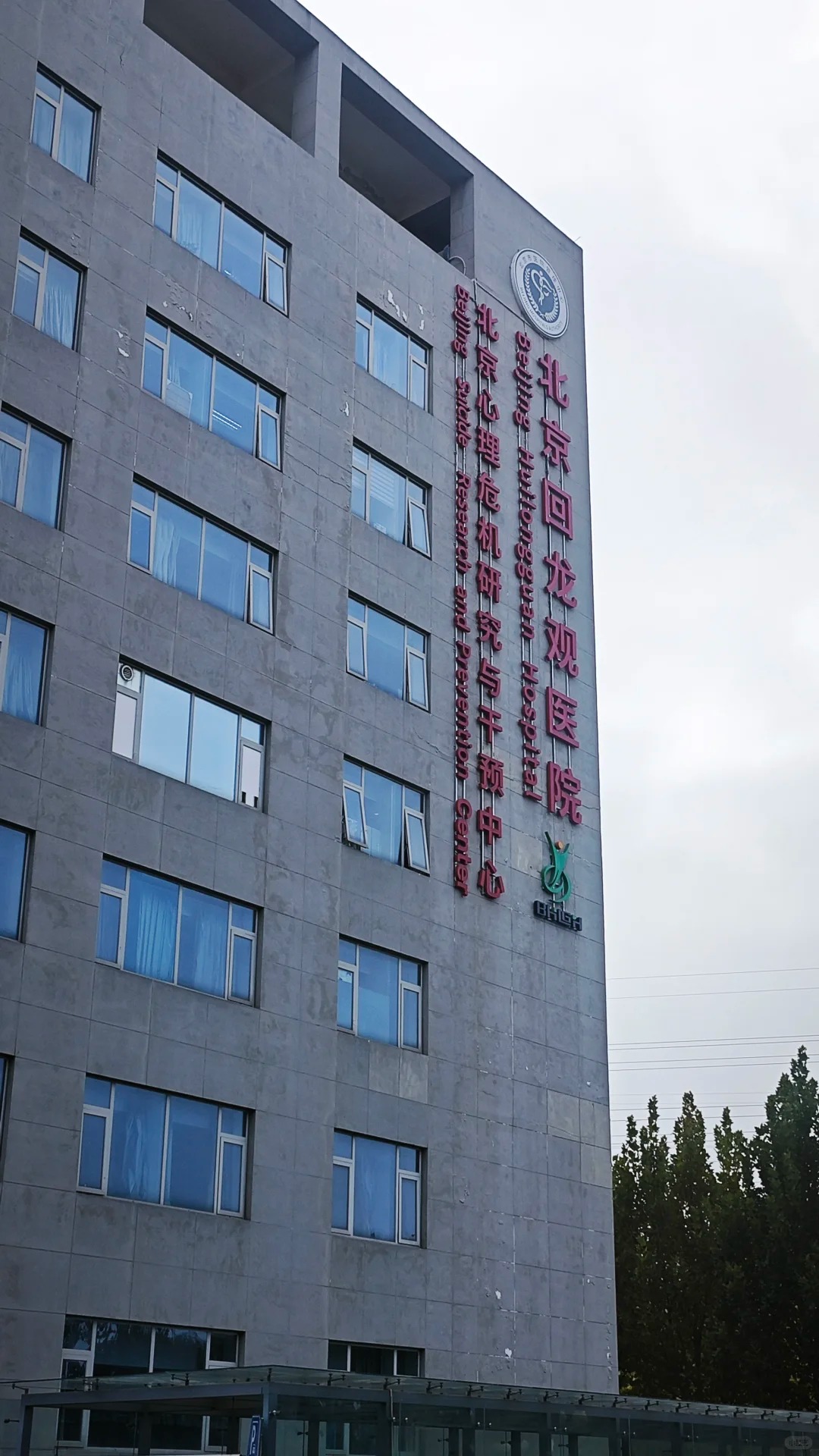
Beijing Huilongguan Hospital in Beijing is a municipal tertiary Grade A psychiatric hospital that became affiliated with Capital Medical University in November 2025. Its clinical fields include general and geriatric psychiatry, clinical psychology, psychosomatic and addiction medicine, sleep medicine and rehabilitation. Research uses brain imaging, electrophysiology and behavioral assessment to investigate cognition, symptoms and medication-related effects, alongside psychological crisis research and clinical-trial infrastructure.
Annual surgeries
10.5K+
Annual outpatients
1.1M+
Language support
Chinese, English
Center for Psychological Crisis Research and Intervention
Seventh Medical Center of Chinese PLA General Hospital is part of Chinese PLA General Hospital in Beijing. Hospital-authored reports describe obstetrics and gynecology and pediatric divisions, while original research documents neonatal intensive care and pediatric genetic investigations. Published studies examine infection risk in preterm infants and rare conditions involving seizures and kidney disease, using medical records, statistical analysis and genetic testing without establishing general treatment effectiveness.
Air Force Medical Center, PLA in Beijing combines medical care, research, aeromedical assessment and professional training. University reports describe aviation medicine, dermatology, oral health and small-intestine endoscopy, including techniques for endoscopic polyp removal and computer-assisted restorative dental work. Its scientific programs range from formulation and quality testing of hospital-made medicines to experimental implant coatings that study interactions between immune cells, stem cells and bone.
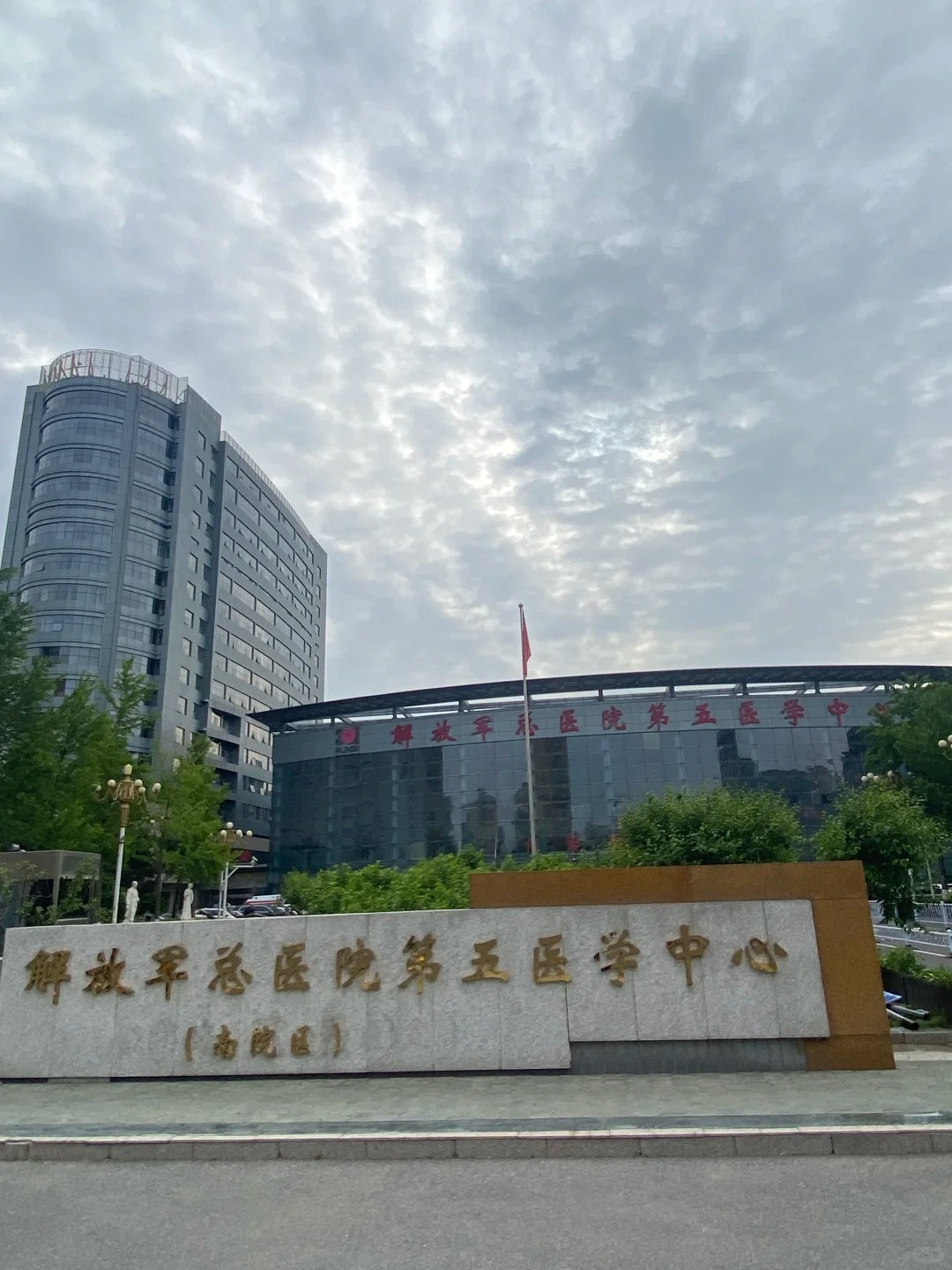
Fifth Medical Center of the PLA General Hospital in Beijing is part of Chinese PLA General Hospital and hosts a national clinical research center for infectious diseases. Published studies identify its infectious-disease, clinical-laboratory and ultrasound teams, with particular work on chronic hepatitis B and liver injury. Research links imaging with clinical history and laboratory measurements, including highly sensitive viral-DNA testing, while a documented liver-disease partnership connects specialist expertise with regional care development.
The Sixth Medical Center of PLA General Hospital in Beijing is part of Chinese PLA General Hospital, with documented academic work in ear, nose and throat medicine and cardiovascular disease. Its specialists contributed to guidance on hearing intervention and language rehabilitation for children with CHARGE syndrome. Cardiovascular researchers also study how diabetes and stroke coexist with hypertension and coronary disease in older people, using long-term hospital-system follow-up rather than treatment-trial evidence.
Opened in 1982, Civil Aviation General Hospital in Beijing is a public tertiary general hospital with an aviation-medicine focus and a clinical teaching role at Peking University. Its documented services include cardiovascular intervention, orthopedic care, digestive endoscopy and critical-care support. Recent clinical reports describe imaging and pressure measurements inside coronary arteries, alongside structured specialist training for clinicians and ongoing exploration of robot-assisted orthopedic techniques.
Founded in 1949, Peking University Shougang Hospital in Beijing is a tertiary general hospital affiliated with Peking University. Its clinical fields include gastrointestinal and urological surgery, orthopedics, cardiology, respiratory medicine and vascular medicine. Distinctive work connects hospital and community vascular care, multidisciplinary palliative support, and research comparing the molecular features of colorectal tumors in different locations, bringing clinical services together with studies of care organization and cancer biology.
Beijing Chest Hospital, Capital Medical University in Beijing is a municipal tertiary Grade A hospital affiliated with Capital Medical University, with a focus on tuberculosis and thoracic disease. Founded in 1955, it combines medical care, teaching, research and prevention with the work of the Beijing Tuberculosis and Thoracic Tumor Research Institute. Clinical services include oncology, thoracic surgery, pulmonary medicine, orthopedics and cardiology, supported by laboratory research in bacteriology, immunology and pharmacology.
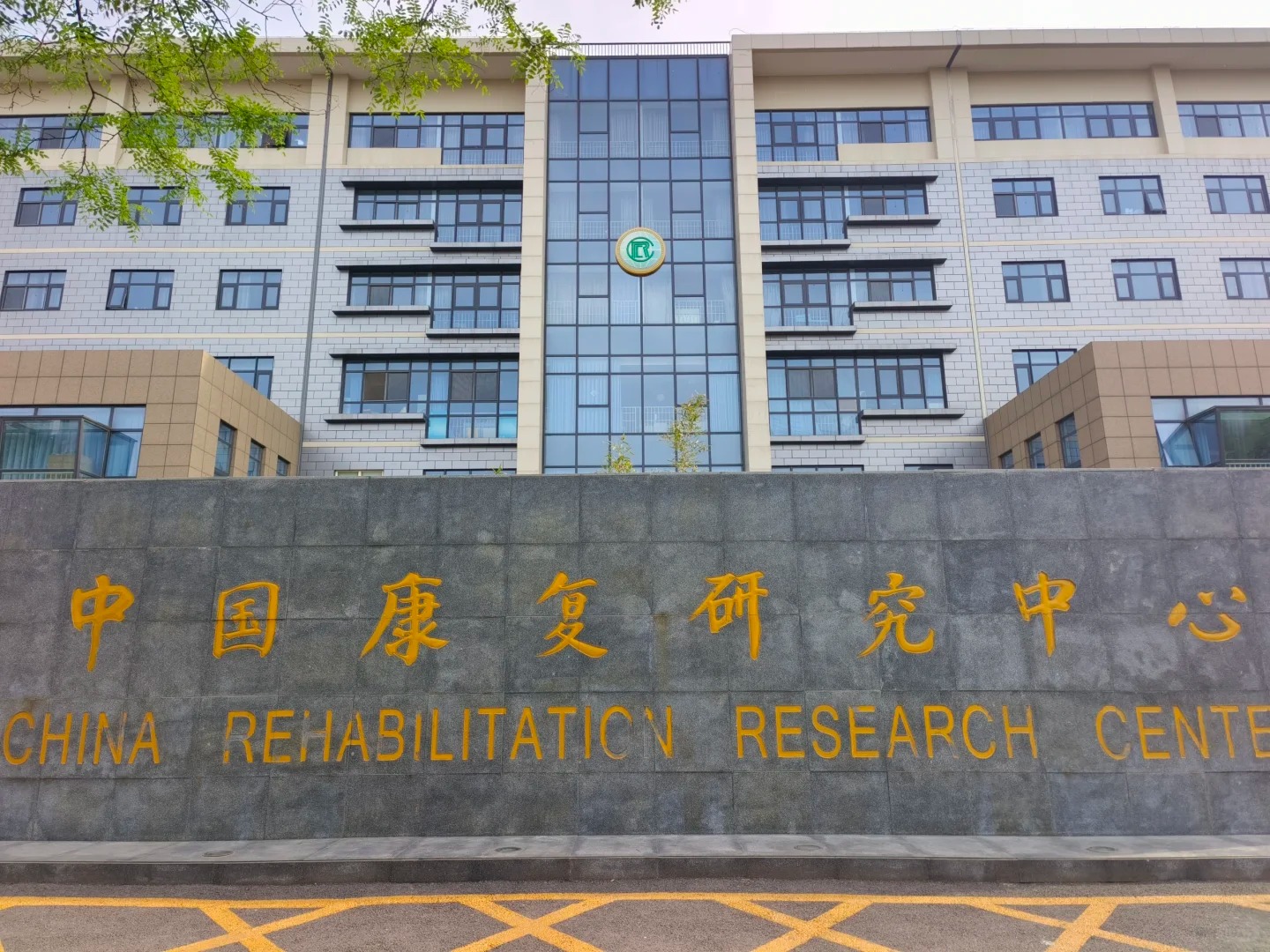
China Rehabilitation Research Center (Beijing Bo'ai Hospital) in Beijing brings together rehabilitation care, research, engineering and professional education. Established in October 1988 under the China Disabled Persons’ Federation, the center’s clinical hospital, Beijing Boai Hospital, is a public tertiary Grade A general hospital with a rehabilitation focus. Its specialties encompass neurological and spinal-cord injury rehabilitation, children’s rehabilitation, bone and joint disorders, neurourology, cardiopulmonary rehabilitation and traditional Chinese medicine.
Beijing Rehabilitation Hospital in Beijing is a public tertiary rehabilitation hospital affiliated with Capital Medical University and administered by the Beijing Federation of Trade Unions. Its rehabilitation centers cover neurological, orthopedic, cardiac, respiratory, gastrointestinal, urinary and metabolic, geriatric, traditional Chinese medicine and occupational-injury care. A July 2026 institutional notice lists upper- and lower-limb rehabilitation robots and three-dimensional gait analysis among its facilities, alongside postgraduate education in rehabilitation medicine and physical therapy.
Beijing Haidian Hospital (Haidian Campus of Peking University Third Hospital) in Beijing refers here to Beijing Haidian Hospital, a tertiary general hospital and regional medical center in Haidian District. University and hospital reporting also identifies it as the Haidian campus of Peking University Third Hospital; it became a Peking University teaching hospital in December 2020. Its clinical scope includes internal medicine, surgery, emergency and intensive care, rehabilitation, pediatrics, and obstetrics and gynecology.
Beijing Xiaotangshan Hospital in Beijing is a municipal tertiary general hospital with a focus on rehabilitation medicine and health management. Its published service structure includes neurological, sports, pediatric, integrated Chinese and Western medicine, and cardiopulmonary critical-care rehabilitation, alongside physical therapy. Hospital descriptions show an emphasis on functional assessment and coordinated training, including movement and walking evaluation, cardiopulmonary testing and supervised aquatic rehabilitation, with separate research work in nutrition and chronic-disease management.
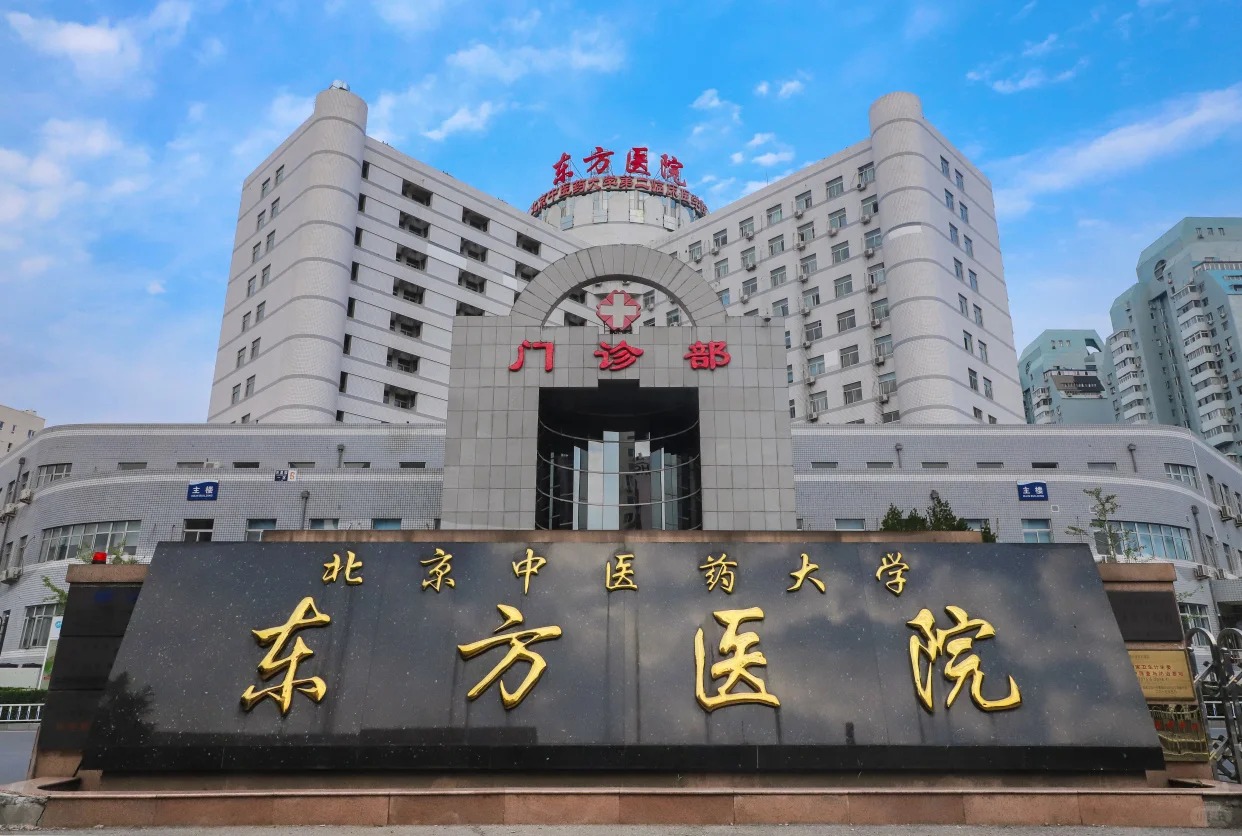
Dongfang Hospital, Beijing University of Chinese Medicine in Beijing is a university-affiliated tertiary Grade A traditional Chinese medicine hospital combining clinical care, teaching, and research. Its documented services include rehabilitation for neurological and musculoskeletal impairment and endocrine care for diabetes, thyroid disease, and osteoporosis. Stroke is a central clinical-research theme. The hospital also describes distinct campus roles and laboratory platforms investigating disease mechanisms, drug metabolism, and herbal quality.
Wangjing Hospital of China Academy of Chinese Medical Sciences in Beijing is a tertiary Grade A traditional Chinese medicine hospital with a longstanding orthopedic focus. An academy notice also identifies nephrology, digestive medicine, and rehabilitation among its key clinical specialties. Its academic work addresses degenerative spine and joint disorders, functional gastrointestinal disease, and dialysis-related concerns. Recent official reports separately describe rehabilitation development and specialist collaboration at its Pinggu campus.
Eye Hospital, China Academy of Chinese Medical Sciences in Beijing is a tertiary Grade A specialty hospital combining ophthalmic care with teaching and research within the China Academy of Chinese Medical Sciences. Its departments cover diabetic eye disease, cataract, corneal and ocular-surface disorders, optometry, and low vision. Published technical descriptions include vitreoretinal procedures, cataract surgery, and corneal transplantation. Research spans these clinical areas, with experimental work kept distinct from established services.
Aviation General Hospital in Beijing is a public tertiary general hospital with clinical, teaching, and research roles. Its documented specialties include a broad neurosurgical service and a multidisciplinary vascular intervention center opened in 2026. Official reports also describe pain-medicine clinical-trial oversight and aviation-related occupational-health research. These sources support specific clinical and research activities, while experimental technologies and future development plans remain distinct from routine patient services.
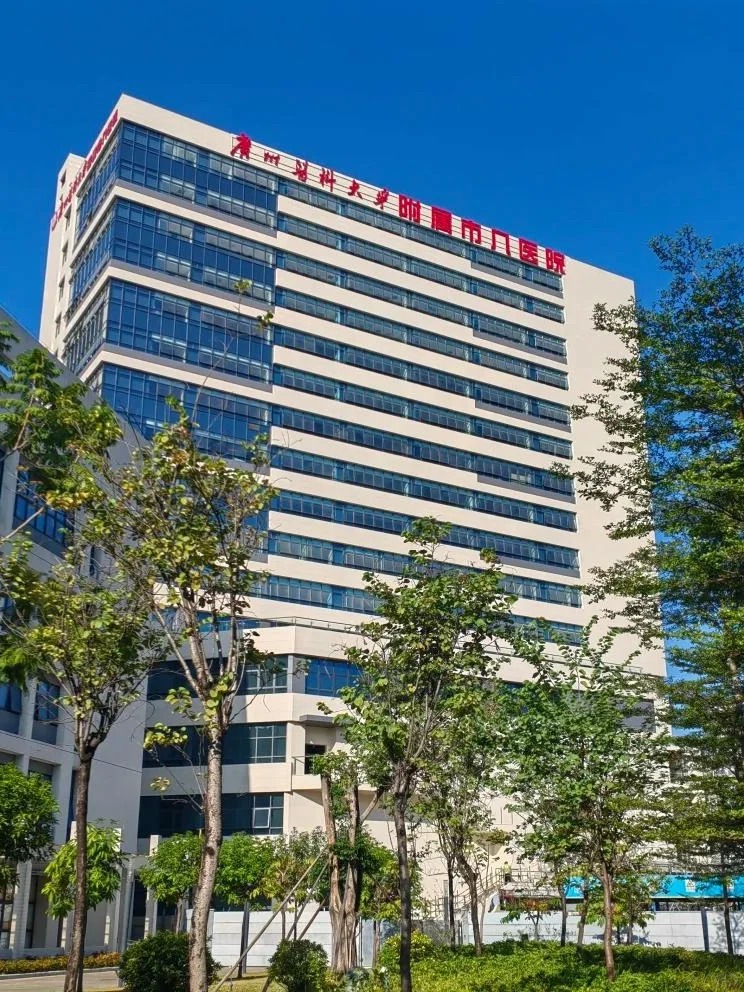
The First Affiliated Hospital of Jinan University in Guangzhou, also known as Guangzhou Overseas Chinese Hospital, is a tertiary Grade A general hospital directly affiliated with Jinan University. Its clinical profile spans neurological care, joint and spine disorders, minimally invasive surgery and medical imaging. Published techniques include laparoscopic bariatric surgery and therapeutic digestive endoscopy. University teams also investigate brain-computer interfaces, biomaterials and advanced imaging, with experimental work clearly distinct from established clinical services.
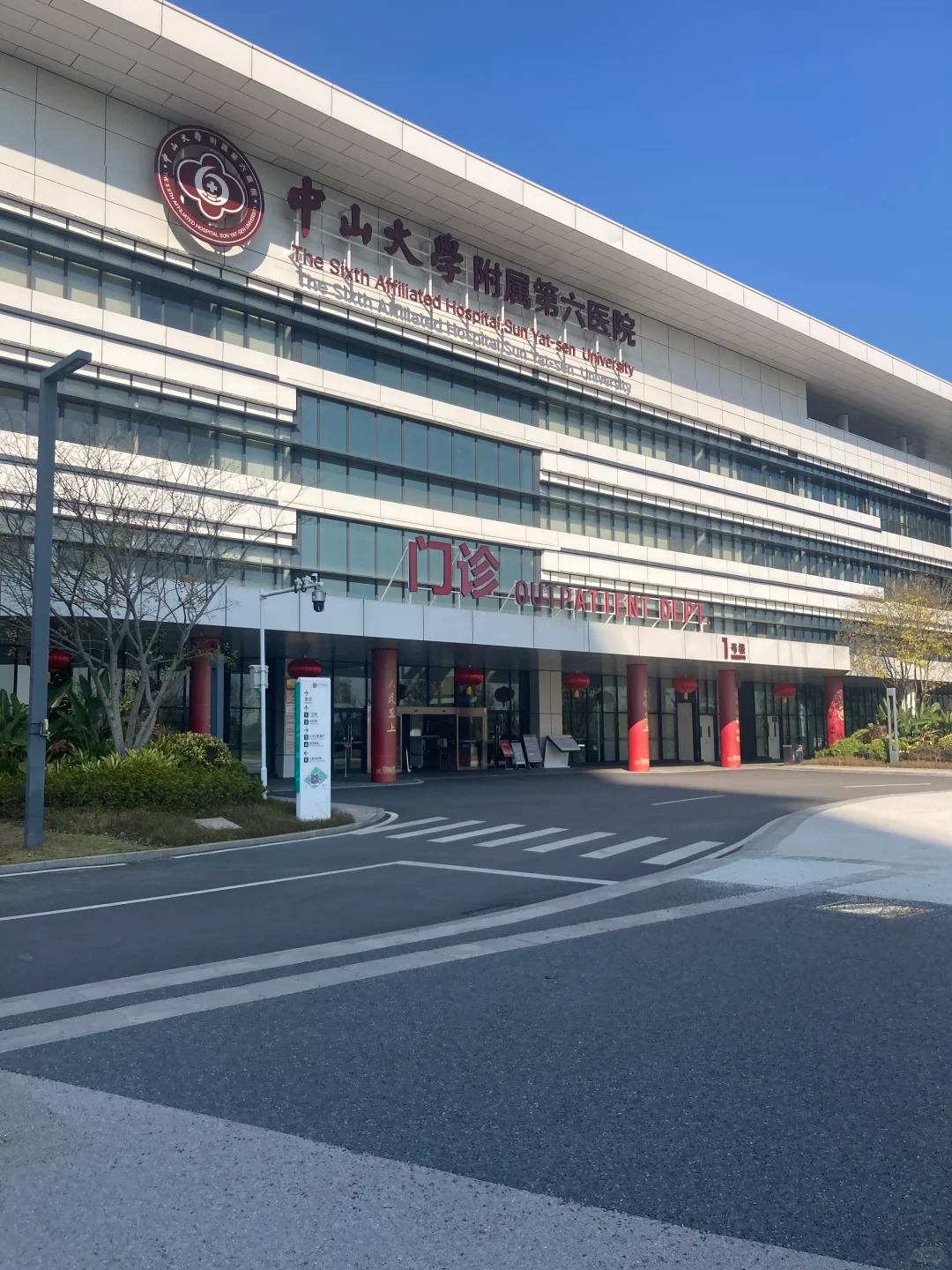
The Sixth Affiliated Hospital, Sun Yat-sen University in Guangzhou is a tertiary Grade A general hospital affiliated with Sun Yat-sen University, with a particular focus on gastrointestinal and colorectal disease. It combines multidisciplinary assessment, therapeutic endoscopy and specialized surgery with reproductive medicine. Its research infrastructure includes clinical-study support, disease follow-up and a gastrointestinal biobank. Published work spans rectal-cancer treatment strategies, while research participation and clinical suitability remain separate questions for individual patients.
Clifford Hospital in Guangzhou is a private tertiary Grade A hospital integrating Chinese and Western medicine, based in Panyu District. Its documented clinical scope includes cardiovascular interventions, therapeutic digestive endoscopy and rehabilitation. Department pages describe coronary care, rhythm procedures and structured rehabilitation therapies. The hospital also publishes procedures for drug and medical-device research; these research credentials should not be interpreted as approval or proven effectiveness of an individual treatment.
Guangdong Provincial Hospital of Traditional Chinese Medicine in Guangzhou is a tertiary Grade A traditional Chinese medicine hospital and the Second Affiliated Hospital of Guangzhou University of Chinese Medicine.
Founded in 1835, Sun Yat-sen Memorial Hospital, Sun Yat-sen University in Guangzhou is a tertiary Grade A general hospital affiliated with Sun Yat-sen University. Its clinical fields include oncology, endocrinology, urology, neurology, oral and maxillofacial surgery, and cardiovascular medicine. Its research connects breast-cancer biology, tumor microenvironments and non-coding RNA with wider disease research, while its brain-science center has developed a human brain tissue resource and research on radiation-related brain injury and cognitive disorders.
The Third Affiliated Hospital of Sun Yat-sen University is a tertiary Grade A general hospital founded in 1971, with Tianhe and Luogang campuses in Guangzhou. Liver disease is a distinctive focus, linking infectious diseases and hepatology with liver surgery, imaging, interventional care and oncology. Its research infrastructure includes liver-disease, viral-hepatitis and diabetes platforms, alongside liver-cancer databases, biological sample collections and structured follow-up that support clinical and laboratory research.
Zhujiang Hospital of Southern Medical University in Guangzhou is a tertiary Grade A general hospital and Southern Medical University’s Second Affiliated Hospital.
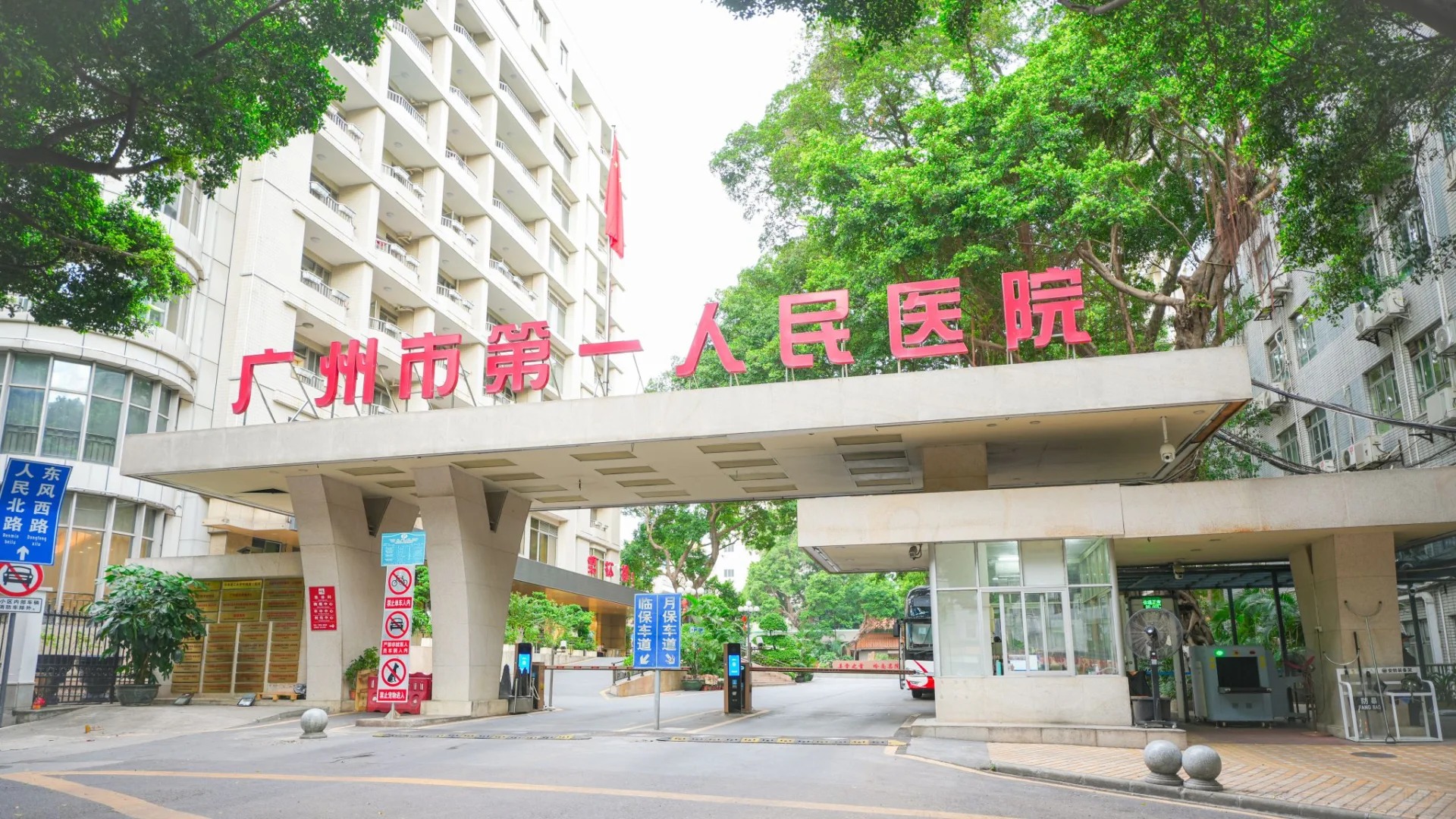
Guangzhou First People's Hospital in Guangzhou is a tertiary Grade A general hospital founded in 1899 and also designated the Second Affiliated Hospital of South China University of Technology. Gastroenterology and geriatrics are documented clinical specialties. Its scientific work spans brain science, nanomedicine, immunology and metabolomics, while a 2026 Nansha partnership with the Chinese University of Hong Kong announced research on AI-assisted scoliosis screening and a planned phase I stem-cell study for knee osteoarthritis.
General Hospital of Southern Theater Command in Guangzhou is a tertiary Grade A military general hospital combining clinical care, education and research.
Guangdong Second Provincial General Hospital in Guangzhou, also known as Guangdong Provincial Emergency Hospital, is a tertiary Grade A general hospital and a teaching and research affiliate of Jinan University.
The Third Affiliated Hospital of Guangzhou Medical University in Guangzhou is a tertiary Grade A general hospital with a clinical and research focus on obstetrics and gynecology.
Guangzhou Eighth People's Hospital in Guangzhou is a public tertiary Grade A hospital affiliated with Guangzhou Medical University, with a focus on infectious and liver diseases.
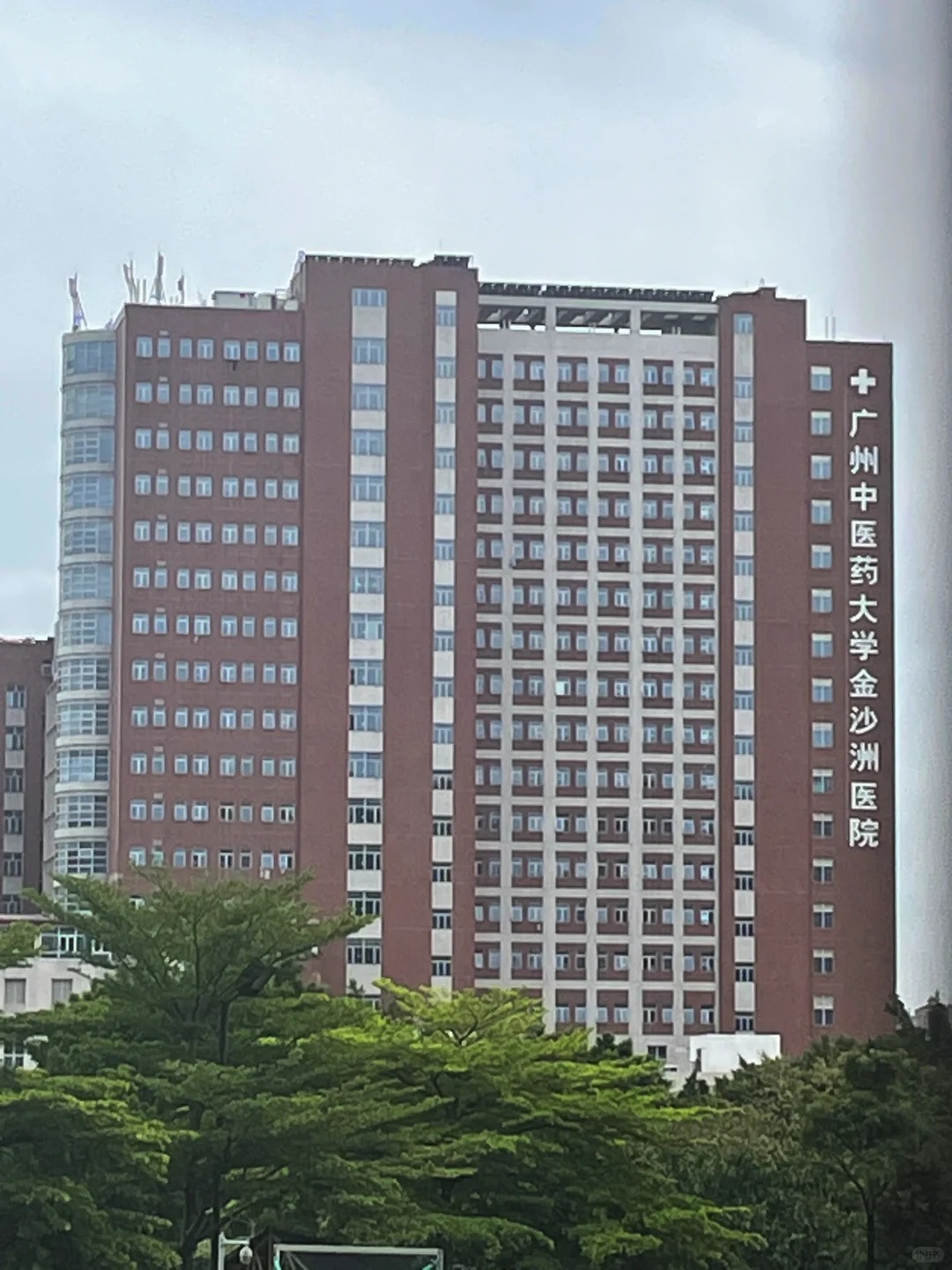
Guangzhou University of Chinese Medicine Jinshazhou Hospital in Guangzhou is a private tertiary general hospital with oncology and radiotherapy services.
Founded in 1898, The Affiliated Brain Hospital of Guangzhou Medical University is a tertiary Grade A hospital in Guangzhou focused on mental and neurological health. Its clinical fields include adult and child psychiatry, early intervention, clinical psychology, neurology, and sleep and circadian medicine. Research connects adolescent mood disorders with genetics and early markers, while its sleep program combines polysomnography with studies of sleep rhythms and long-term health.
The Third Affiliated Hospital of Southern Medical University in Guangzhou is a tertiary Grade A general hospital of Southern Medical University and also serves as Guangdong’s orthopedic hospital and orthopedic research institute.
Annual surgeries
35K+
Annual outpatients
1.5M+
Language support
Chinese, English
Orthopedic Trauma
Orthopedics
Traditional Chinese Medicine Orthopedics and Traumatology
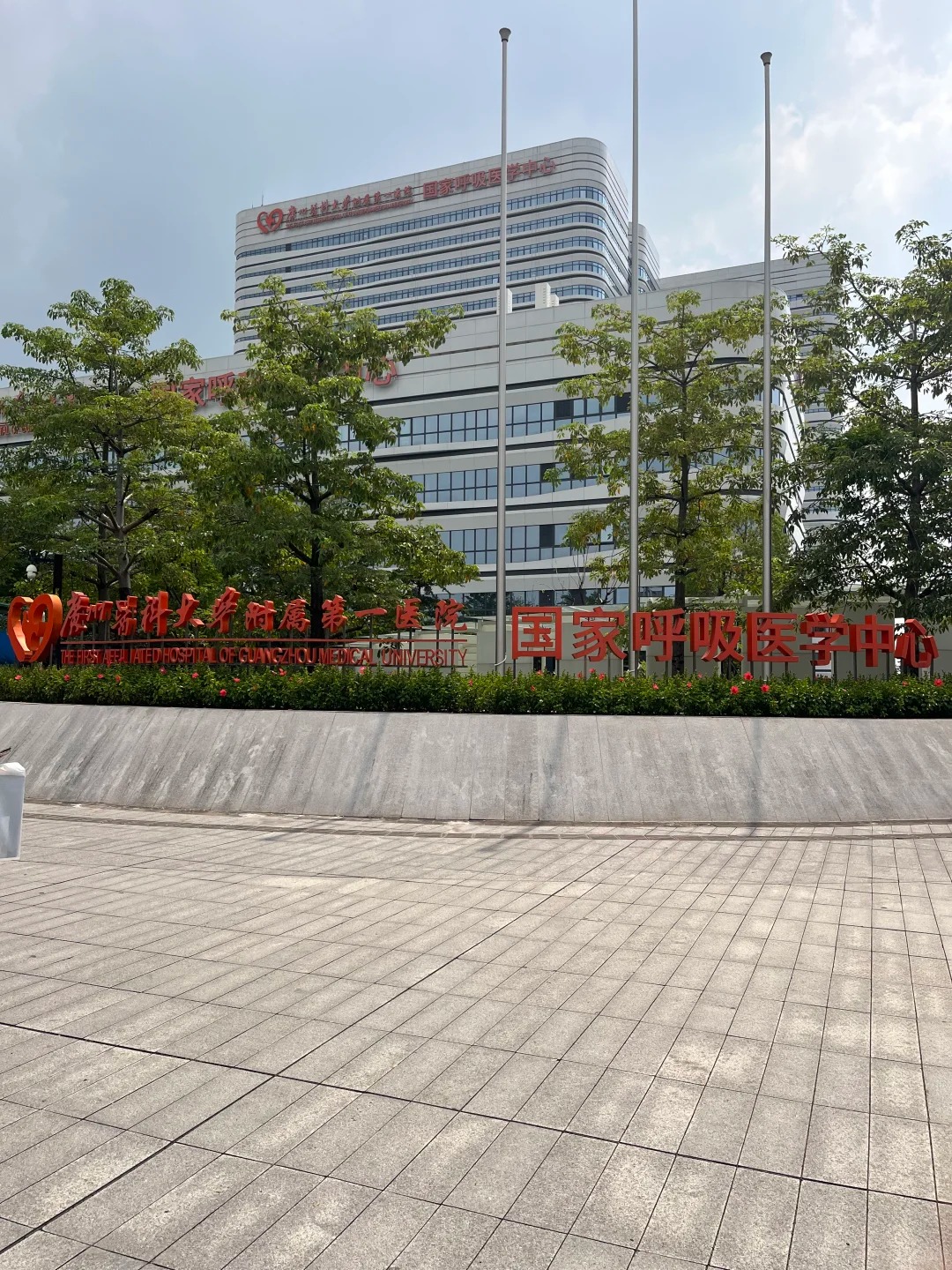
The First Affiliated Hospital of Guangzhou Medical University in Guangzhou, founded in 1903, is a tertiary Grade A hospital and a constituent institution of China’s National Center for Respiratory Medicine. Clinical fields include respiratory medicine, intensive care, thoracic surgery, urology, allergy and oncology. Its lung-cancer research combines surgical tissue samples, genomic profiling and laboratory studies of metastasis and drug resistance, supported by biological-sample and respiratory-health data platforms.
Annual surgeries
85K+
Annual outpatients
3.1M+
Language support
Chinese, English, Cantonese
Thoracic Surgery
Critical Care Medicine
Integrated Traditional Chinese and Western Medicine
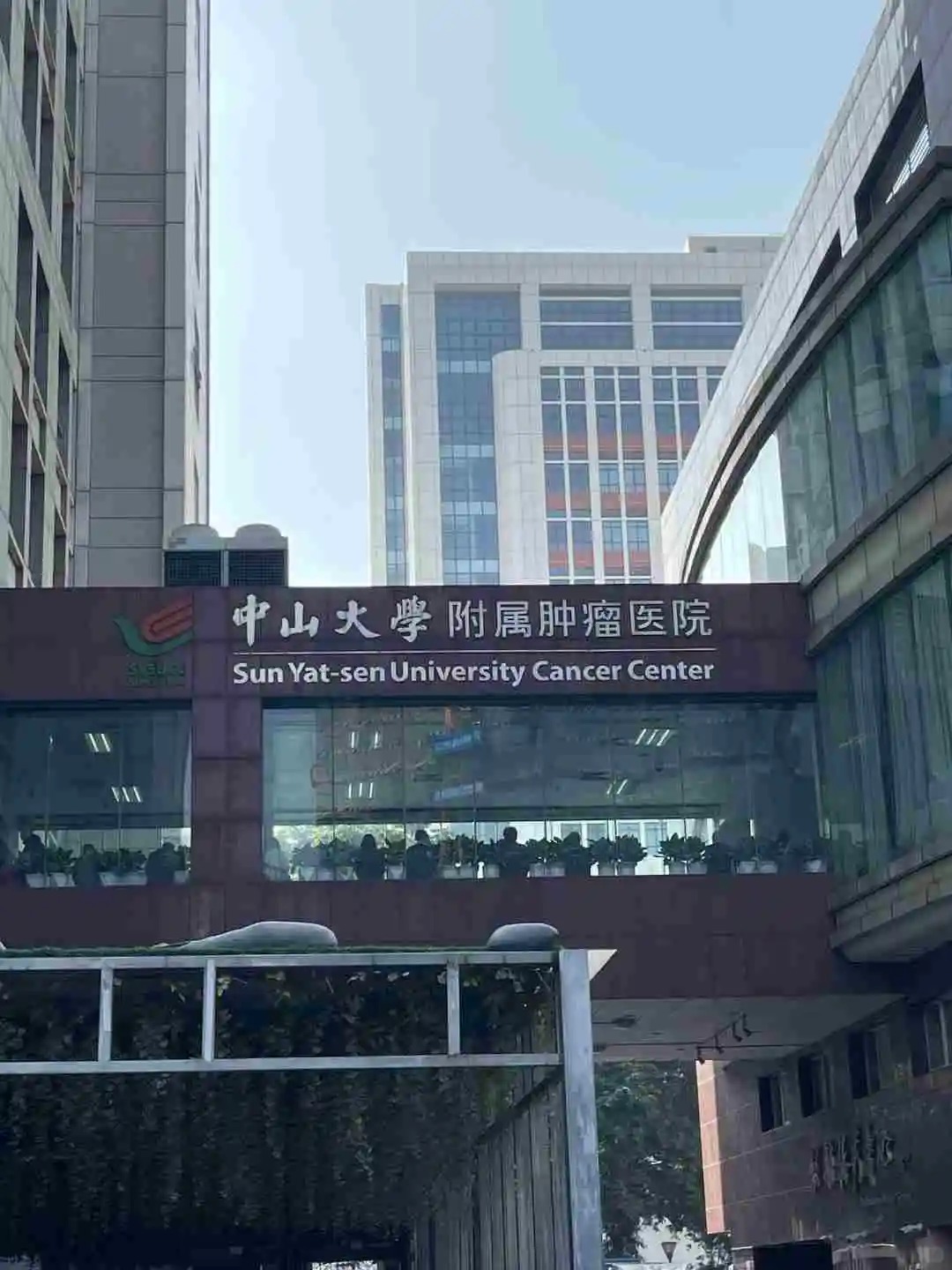
Established in March 1964, Sun Yat-sen University Cancer Center (SYSUCC) in Guangzhou brings together a cancer hospital and research institute. Its clinical fields include medical oncology, radiotherapy, nasopharyngeal cancer, lung cancer, breast cancer and colorectal cancer. Research ranges from randomized radiotherapy studies to single-cell analysis of the tumor immune environment, connecting treatment design with investigations of how cancer and immune cells interact.
Hospital of Stomatology, Sun Yat-sen University in Guangzhou is a tertiary Grade A specialist dental hospital. Its fields include endodontics, oral and maxillofacial surgery, prosthodontics, orthodontics, oral mucosal disease, implant dentistry, pediatric dentistry and periodontics. Research examines oral-cancer mechanisms, common oral diseases and tissue-repair materials, including an experimental hydrogel studied in rats for dental-pulp preservation. The Tianhe campus opened in October 2025.
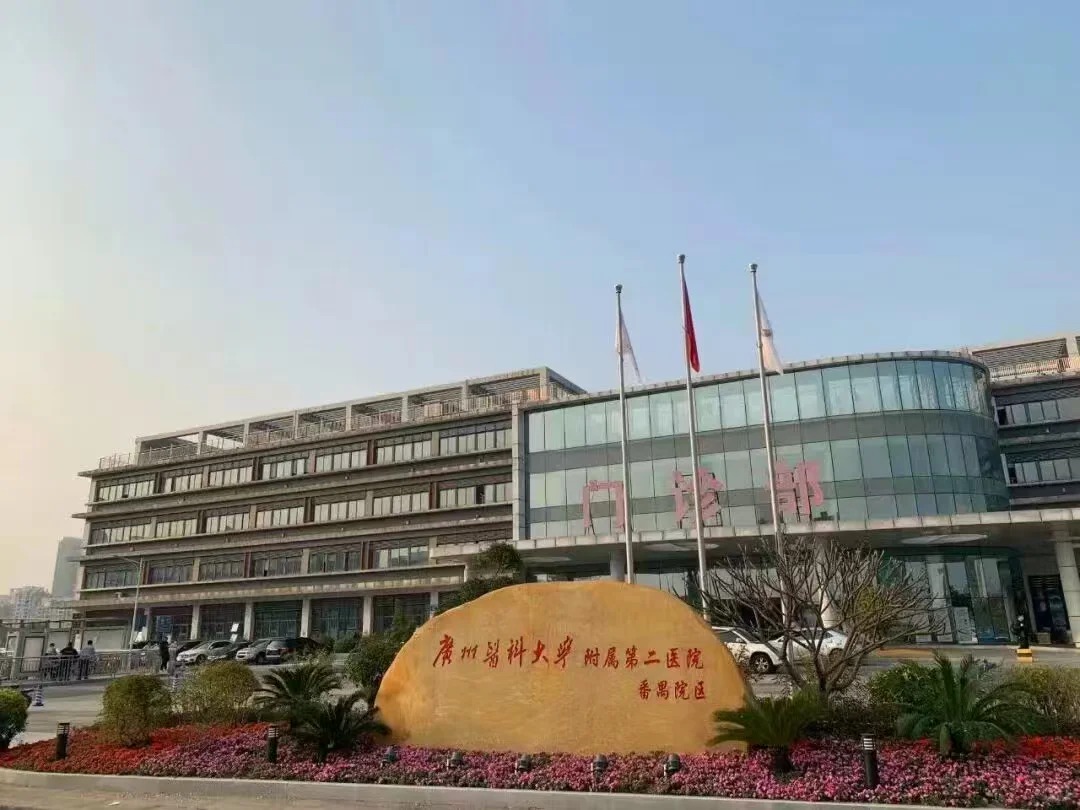
The Second Affiliated Hospital of Guangzhou Medical University in Guangzhou is a tertiary Grade A general hospital affiliated with Guangzhou Medical University.
Guangzhou Red Cross Hospital in Guangzhou is a municipal public tertiary Grade A general hospital, also affiliated with Jinan University and designated Guangzhou’s emergency hospital.
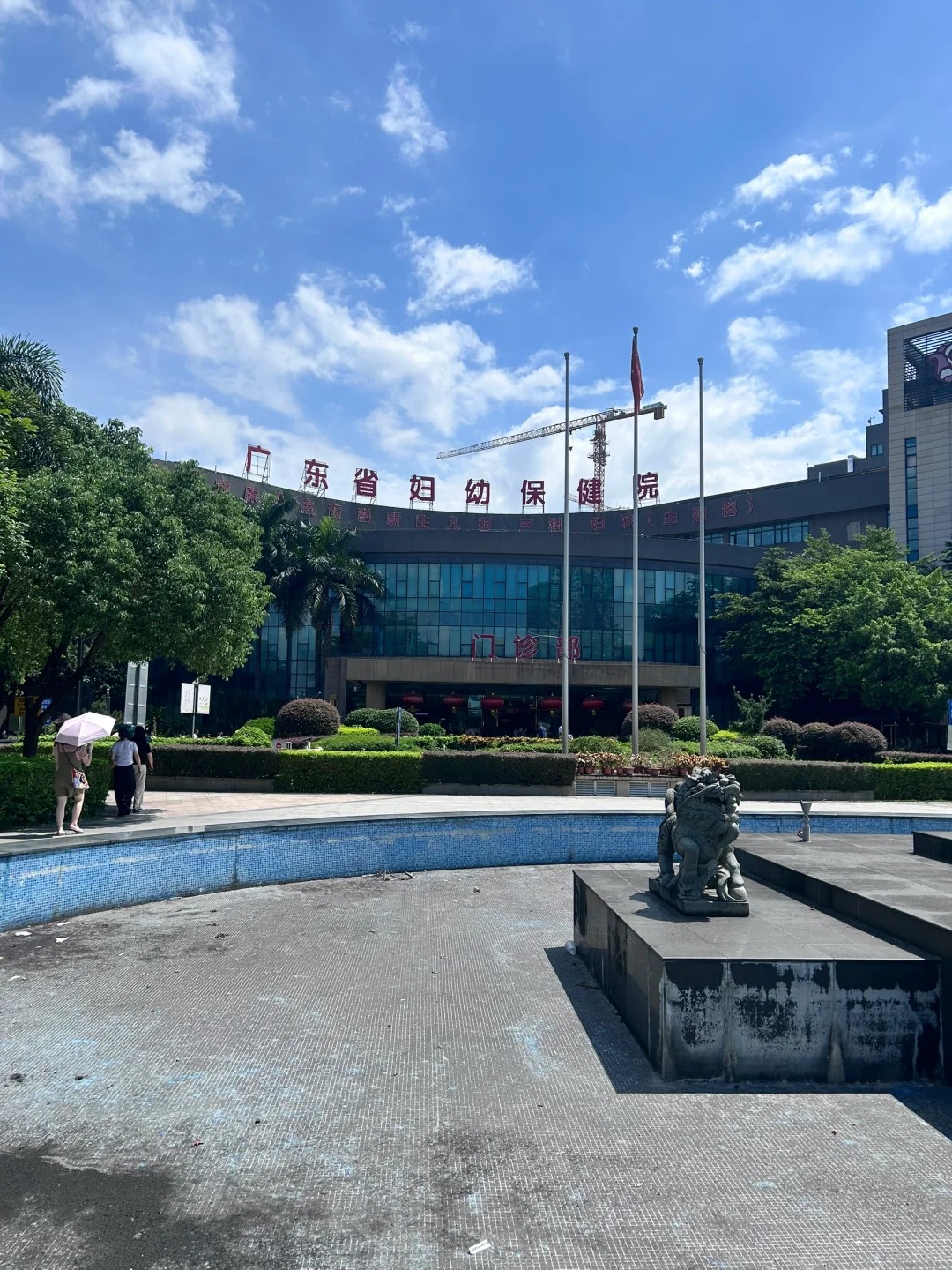
Guangdong Women and Children Hospital in Guangzhou is a provincial tertiary Grade A maternal and child healthcare hospital combining specialist care, public-health work, education and research.
Southern Medical University Integrated Chinese and Western Medicine Hospital in Guangzhou is a tertiary Grade A hospital of Southern Medical University integrating traditional Chinese and Western medicine.
Annual surgeries
25K+
Annual outpatients
1.1M+
Language support
Chinese, English, Cantonese
Integrated Traditional Chinese and Western Medicine Oncology Center
Guangdong Second Traditional Chinese Medicine Hospital in Guangzhou is a tertiary Grade A traditional Chinese medicine hospital combining clinical care, education and research. Selected departments include acupuncture and rehabilitation, orthopedics, endocrinology, brain diseases and cardiovascular care.
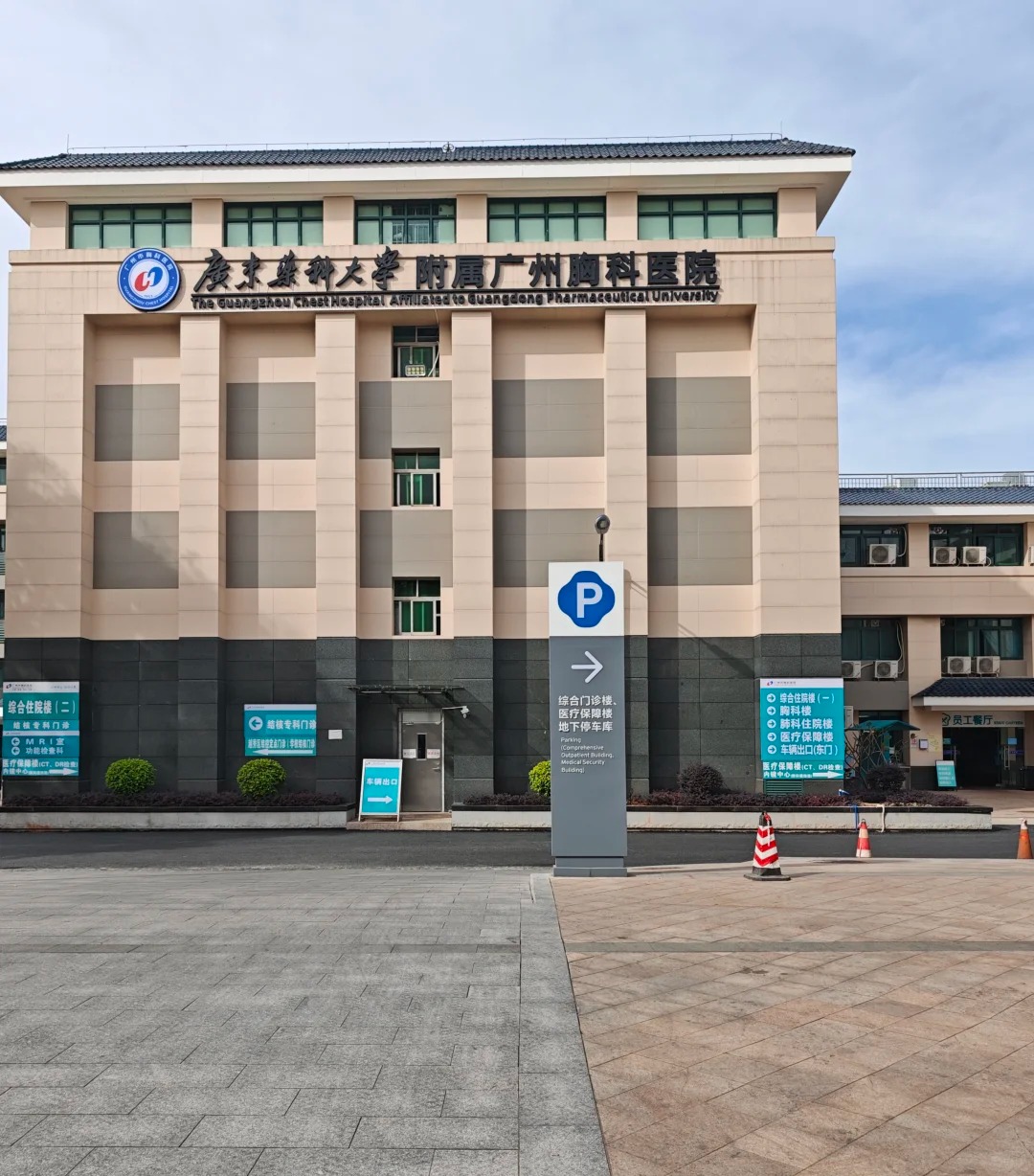
Guangzhou Chest Hospital in Guangzhou is a public tertiary hospital focused on tuberculosis and chest and lung disease, alongside general medical services. Selected departments include tuberculosis care, respiratory medicine, critical care, oncology and thoracic surgery.
Affiliated Cancer Hospital & Institute of Guangzhou Medical University in Guangzhou is a tertiary Grade A cancer hospital affiliated with Guangzhou Medical University. Its clinical services include surgical oncology, medical oncology and radiation oncology.
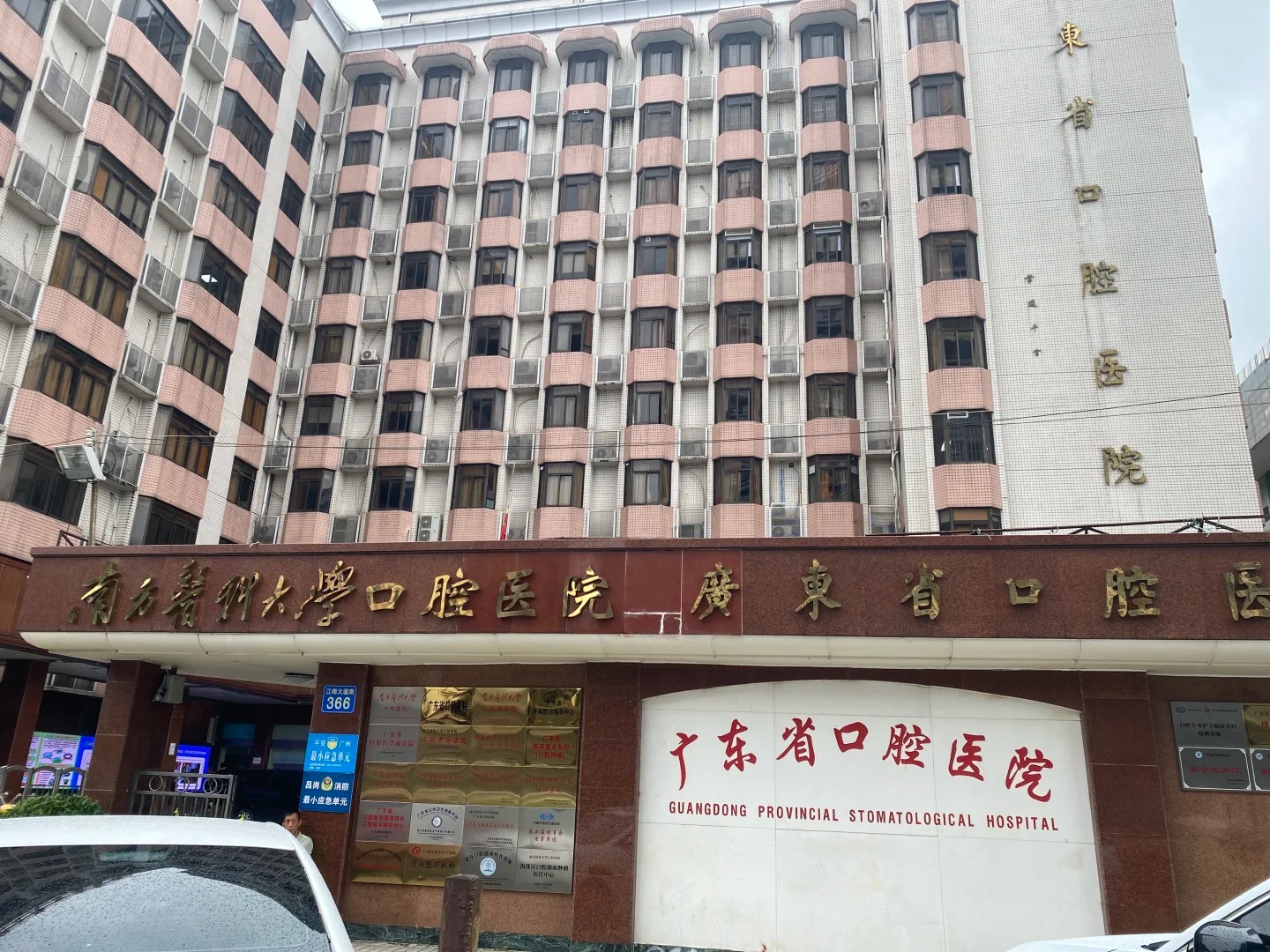
Stomatological Hospital of Southern Medical University in Guangzhou, also known as Guangdong Stomatological Hospital, is a tertiary Grade A dental hospital affiliated with Southern Medical University. Its specialties include endodontics, periodontics, oral and maxillofacial surgery, orthodontics and implant dentistry.
The Third Affiliated Hospital of Guangzhou University of Chinese Medicine (Guangdong Institute of Orthopaedics and Traumatology) in Guangzhou is a tertiary Grade A traditional Chinese medicine hospital affiliated with Guangzhou University of Chinese Medicine, with a clinical focus on orthopedic conditions and rehabilitation.
Guangdong Provincial Corps Hospital of the Chinese People's Armed Police Forces in Guangzhou is a tertiary Grade A general hospital combining clinical care, education, research and preventive services. Publicly described clinical fields include orthopedics, neurovascular surgery, urology, reproductive medicine and oncology.
Annual surgeries
15K+
Annual outpatients
600K+
Language support
Chinese
Family Planning and Healthy Birth Technical Center
458th Hospital of the PLA (Southern Theater Command Air Force Hospital) in Guangzhou is now known as the Air Force Hospital of the Southern Theater Command. A hospital-supplied university recruitment profile describes work in liver disease, hepatobiliary surgery, functional neurosurgery and clinical aviation medicine.
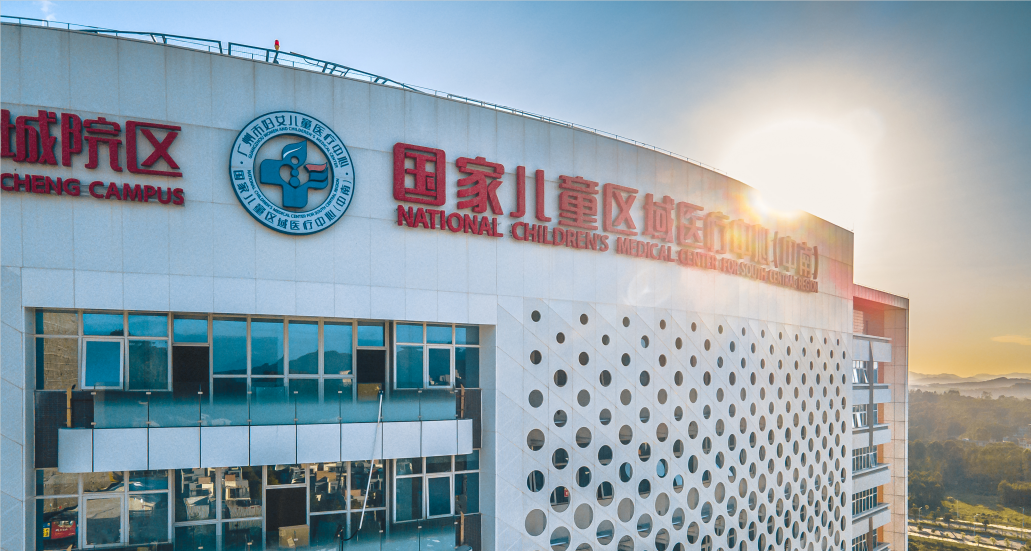
Guangzhou Women and Children's Medical Center in Guangzhou combines women’s and children’s clinical care with prevention, education and research. It is also identified in university and government sources as the affiliated Women and Children’s Medical Center of Guangzhou Medical University.
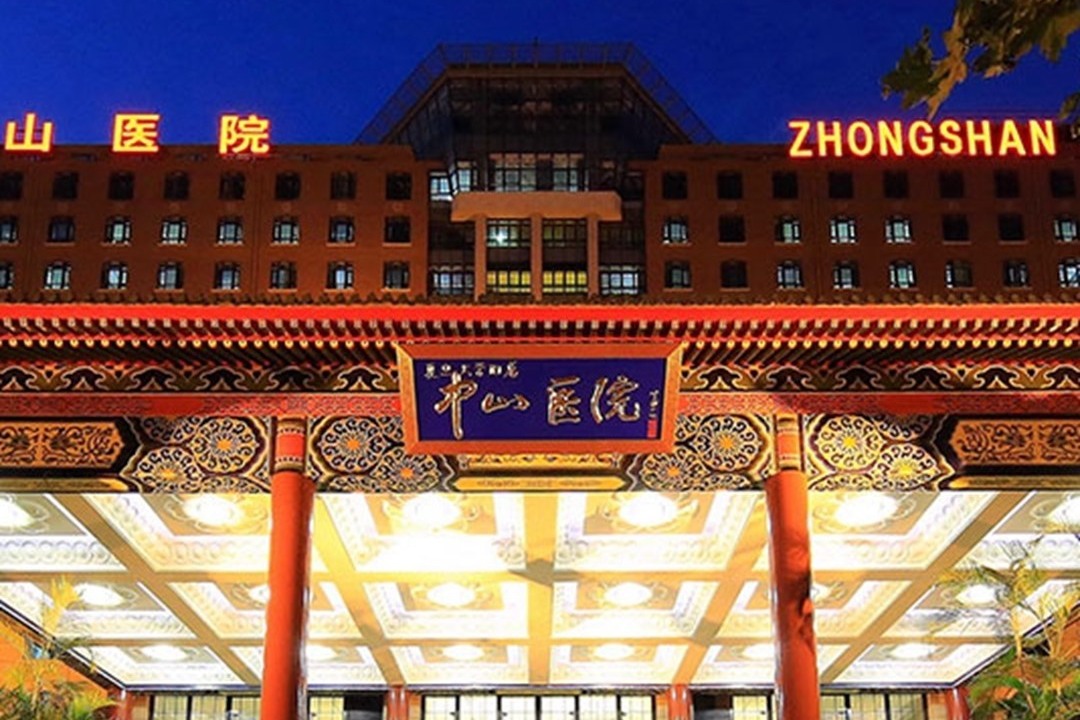
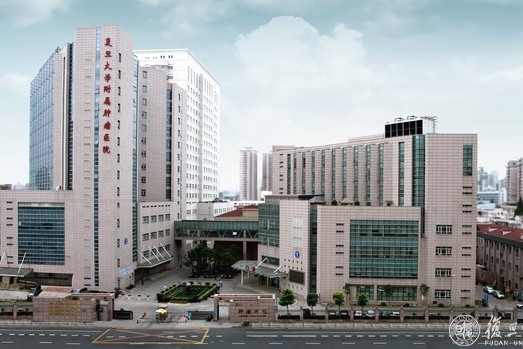
Zhongshan Hospital, Fudan University in Shanghai is a Fudan University-affiliated hospital whose clinical fields include cardiovascular disease, liver tumors, kidney disease and lung disease. Its documented cardiology work encompasses coronary disease, electrophysiology and pacing, and structural-heart interventions. Hospital-supplied university reports also document liver-cancer clinical trials and gastrointestinal endoscopic technology, offering specific examples of how its clinical specialties connect with research and procedural development.
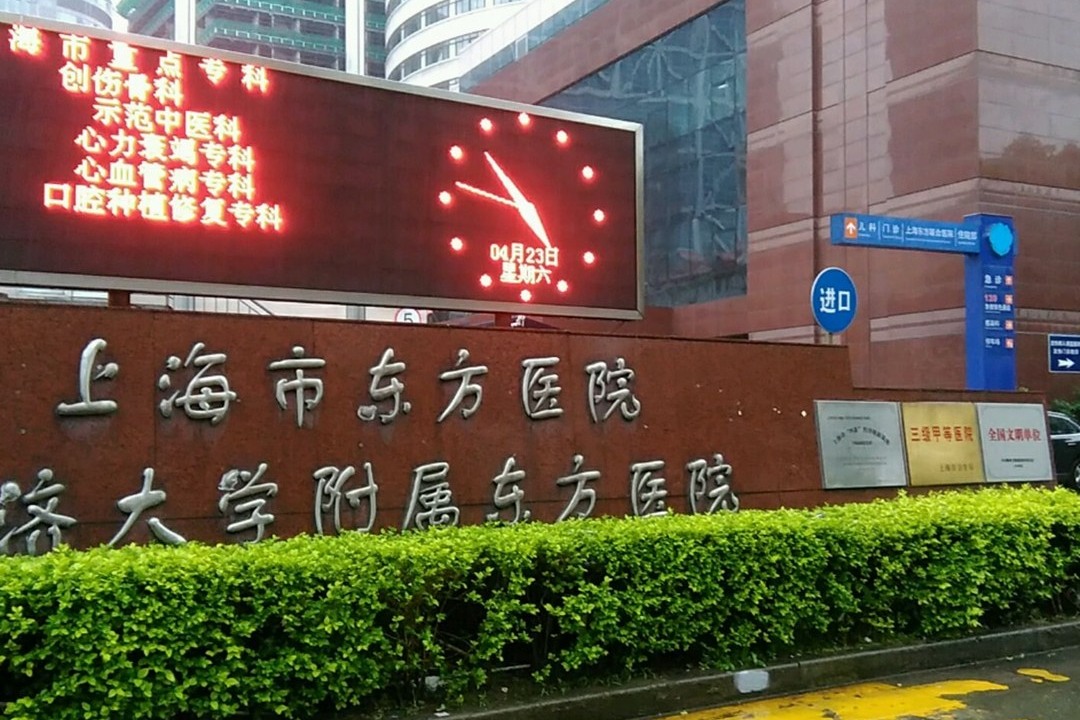
Ruijin Hospital, Shanghai Jiao Tong University School of Medicine in Shanghai is a tertiary Grade A general teaching hospital affiliated with Shanghai Jiao Tong University School of Medicine. Hematology and endocrine and metabolic medicine are selected clinical fields, including leukemia, hormone disorders and endocrine tumors. Its research environment includes the Shanghai national translational-medicine infrastructure, the national key laboratory of omics and diseases, and a national clinical research center for metabolic diseases.
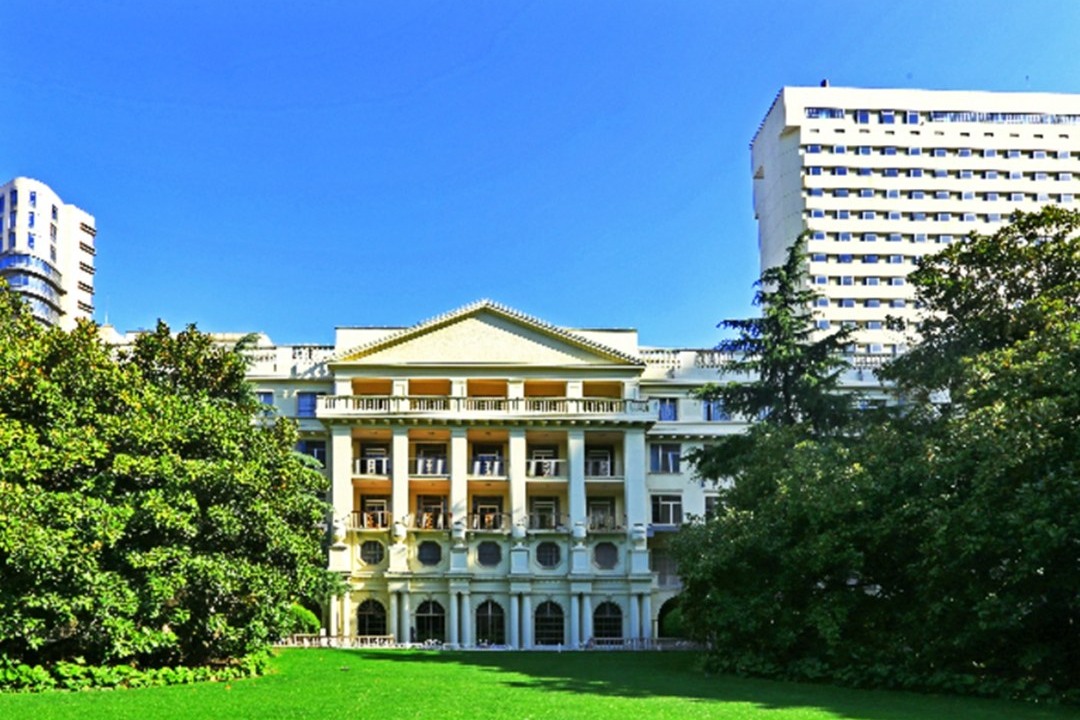
Renji Hospital, Shanghai Jiao Tong University School of Medicine in Shanghai is a tertiary Grade A general hospital affiliated with Shanghai Jiao Tong University School of Medicine.
Xinhua Hospital Affiliated to Shanghai Jiao Tong University School of Medicine in Shanghai is a tertiary Grade A general hospital affiliated with Shanghai Jiao Tong University School of Medicine, providing both pediatric and adult care.
Huadong Hospital Affiliated to Fudan University in Shanghai is a tertiary Grade A general hospital affiliated with Fudan University, with a focus on geriatric medicine.
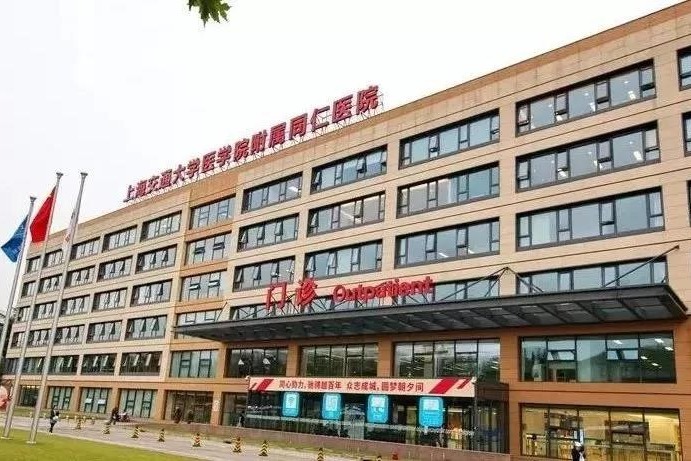
Tongren Hospital, Shanghai Jiao Tong University School of Medicine in Shanghai is affiliated with Shanghai Jiao Tong University School of Medicine and passed tertiary Grade A general-hospital assessment in 2026.
Fudan University Affiliated Obstetrics and Gynecology Hospital in Shanghai, also known as Red House Hospital, is a tertiary Grade A specialist hospital affiliated with Fudan University.
China Welfare Institute International Peace Maternity and Child Health Hospital in Shanghai is a tertiary Grade A specialist hospital affiliated with Shanghai Jiao Tong University School of Medicine.
Shanghai First Maternity and Infant Health Hospital in Shanghai is a tertiary Grade A obstetrics and gynecology hospital affiliated with Tongji University.
Shanghai Children's Medical Center Affiliated to Shanghai Jiao Tong University School of Medicine in Shanghai is a tertiary Grade A pediatric hospital affiliated with Shanghai Jiao Tong University School of Medicine.
Children's Hospital of Fudan University in Shanghai is a tertiary Grade A pediatric hospital affiliated with Fudan University. Its documented clinical fields include neonatal and intensive care, digestive and kidney disease, pediatric surgery, and blood disorders and cancer, as recorded in a 2021 government specialist-training plan. Hospital research investigates early-life disease, inherited disorders and birth defects through genomic studies, laboratory research and multicenter clinical investigation.
Shanghai Children's Hospital in Shanghai is a tertiary Grade A children’s hospital affiliated with Shanghai Jiao Tong University School of Medicine. Its departments include hematology, gastroenterology, orthopedics, neonatal care and pediatric critical care.
Eye & ENT Hospital of Fudan University in Shanghai is a tertiary Grade A specialist hospital affiliated with Fudan University, providing ophthalmology and ear, nose and throat care alongside teaching and research.
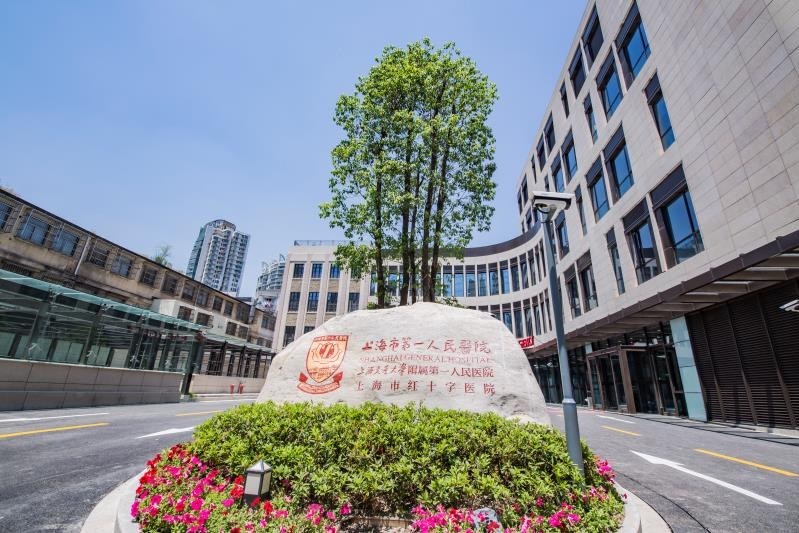
The Ninth People's Hospital, Shanghai Jiao Tong University School of Medicine in Shanghai is a public tertiary Grade A general hospital affiliated with Shanghai Jiao Tong University School of Medicine. Its documented specialties include reconstructive surgery, oral and maxillofacial surgery, orthopedics and ophthalmology.
Fudan University Shanghai Cancer Center in Shanghai is a tertiary Grade A cancer hospital affiliated with Fudan University. Its services include cancer surgery, medical oncology, radiation therapy, pathology and diagnostic imaging.
Shanghai Proton and Heavy Ion Hospital in Shanghai is a cancer center focused on proton and heavy-ion radiation therapy, combining clinical care with research and technology development.
Shanghai Chest Hospital in Shanghai is a tertiary Grade A hospital affiliated with Shanghai Jiao Tong University School of Medicine, specializing in heart, lung, esophageal, tracheal and mediastinal conditions.
Shanghai Pulmonary Hospital in Shanghai is a tertiary Grade A specialist teaching hospital affiliated with Tongji University. Its clinical areas include respiratory medicine, thoracic surgery, oncology, tuberculosis and occupational lung disease.
Shanghai Skin Disease Hospital in Shanghai is a public tertiary dermatology hospital affiliated with Tongji University. Its clinical work covers skin diseases and sexually transmitted infections.
Shanghai Mental Health Center in Shanghai is a tertiary Grade A mental-health hospital affiliated with Shanghai Jiao Tong University School of Medicine, combining psychiatric care, psychological services, rehabilitation, teaching and research.
The First Affiliated Hospital of Naval Medical University in Shanghai, also known as Shanghai Changhai Hospital, is a general hospital affiliated with Naval Medical University. Documented clinical fields include digestive and pancreatic disease, urology, and burn and trauma care.
The Second Affiliated Hospital of the Naval Medical University in Shanghai, also known as Shanghai Changzheng Hospital, is a tertiary Grade A general hospital affiliated with Naval Medical University.
The Third Affiliated Hospital of Naval Medical University in Shanghai, also known as Eastern Hepatobiliary Surgery Hospital, is a tertiary Grade A general hospital affiliated with Naval Medical University, with a focus on hepatobiliary care.
Longhua Hospital Affiliated to Shanghai University of Traditional Chinese Medicine in Shanghai is a tertiary Grade A traditional Chinese medicine hospital affiliated with Shanghai University of Traditional Chinese Medicine.
Shuguang Hospital Affiliated to Shanghai University of Traditional Chinese Medicine in Shanghai is a tertiary Grade A general traditional Chinese medicine hospital affiliated with Shanghai University of Traditional Chinese Medicine.
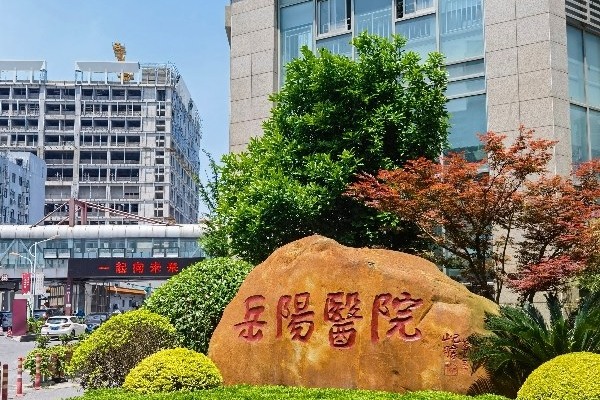
Yueyang Hospital of Integrated Traditional Chinese and Western Medicine, Shanghai University of Traditional Chinese Medicine in Shanghai is a tertiary Grade A integrative medicine hospital affiliated with Shanghai University of Traditional Chinese Medicine.
Shanghai Municipal Hospital of Traditional Chinese Medicine in Shanghai is a tertiary Grade A general traditional Chinese medicine hospital affiliated with Shanghai University of Traditional Chinese Medicine.
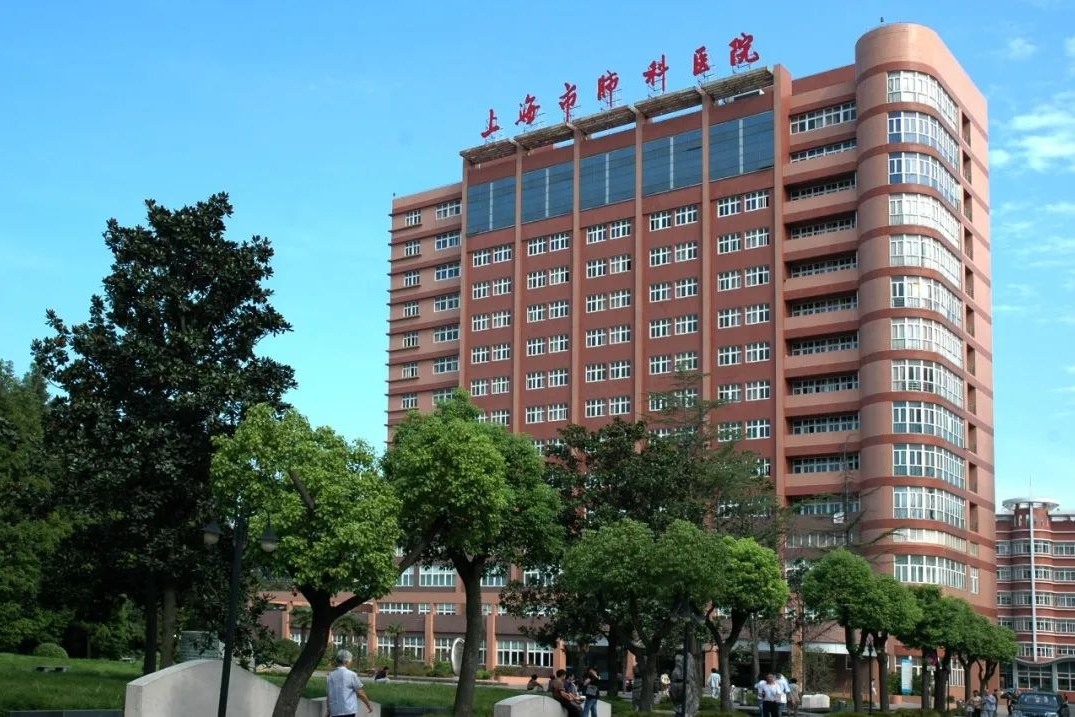
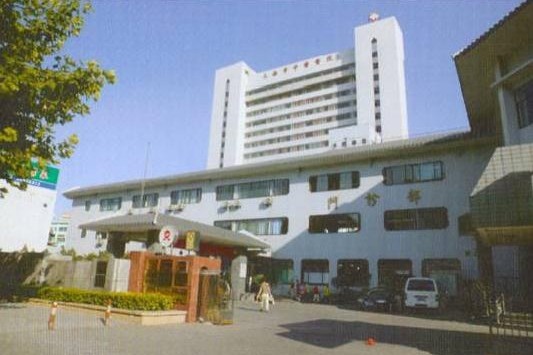
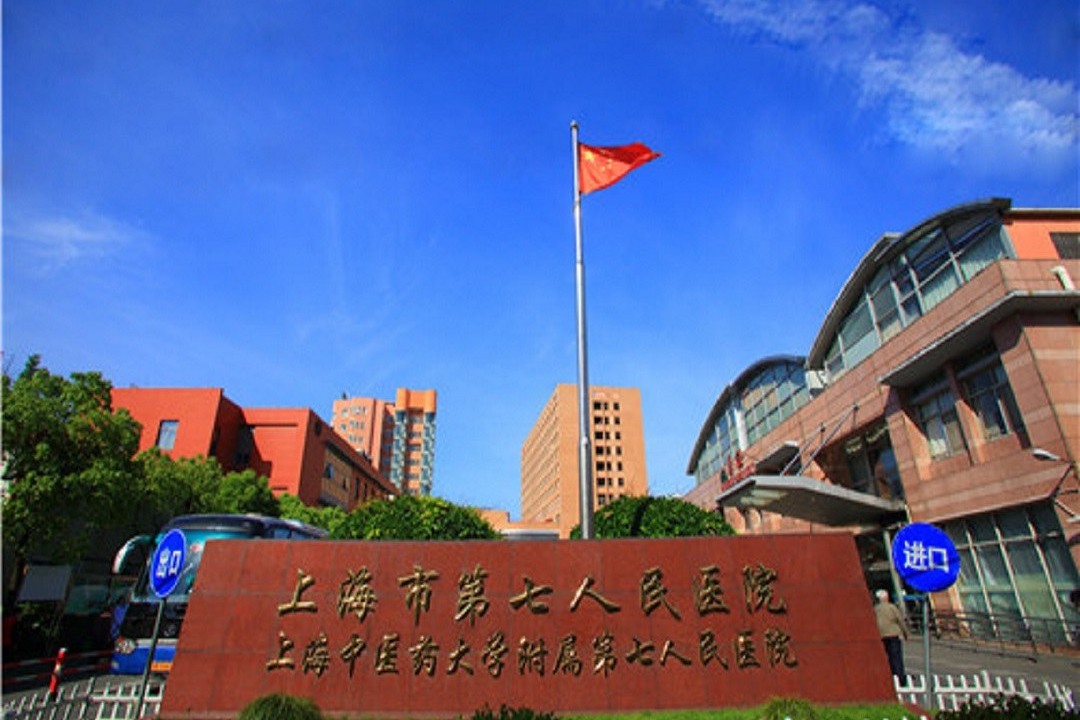
Shanghai Seventh People's Hospital in Shanghai is a tertiary Grade A integrative medicine hospital affiliated with Shanghai University of Traditional Chinese Medicine.
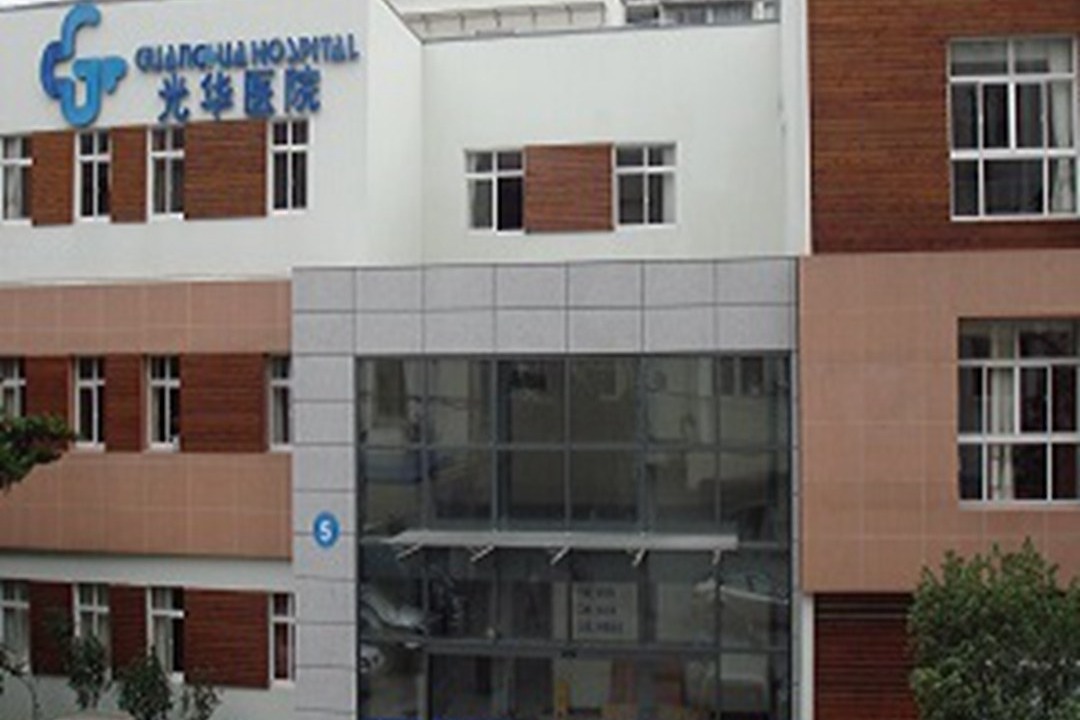
Shanghai Guanghua Hospital of Integrated Traditional Chinese and Western Medicine in Shanghai is a tertiary Grade A specialty hospital affiliated with Shanghai University of Traditional Chinese Medicine, focusing on joint and rheumatic disease.
Annual surgeries
15K+
Annual outpatients
800K+
Language support
Chinese, English
Integrated Traditional Chinese and Western Medicine
Jiangsu Provincial People's Hospital in Nanjing is a public tertiary Grade A general hospital and the First Affiliated Hospital of Nanjing Medical University.
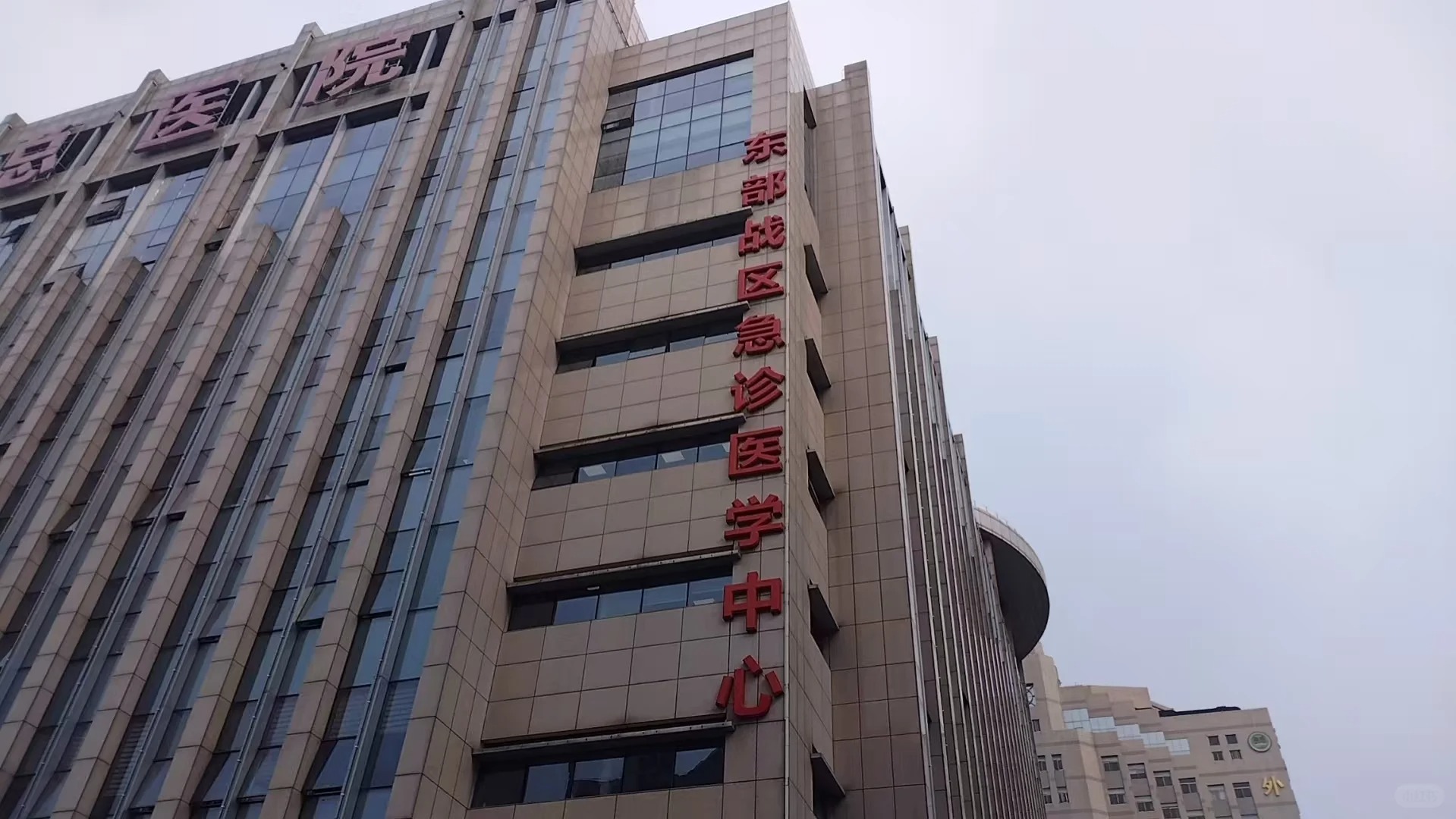
Eastern Theater Command General Hospital in Nanjing is a tertiary Grade A military hospital. Documented clinical fields include kidney medicine, general surgery, urology, cardiology and orthopedics.
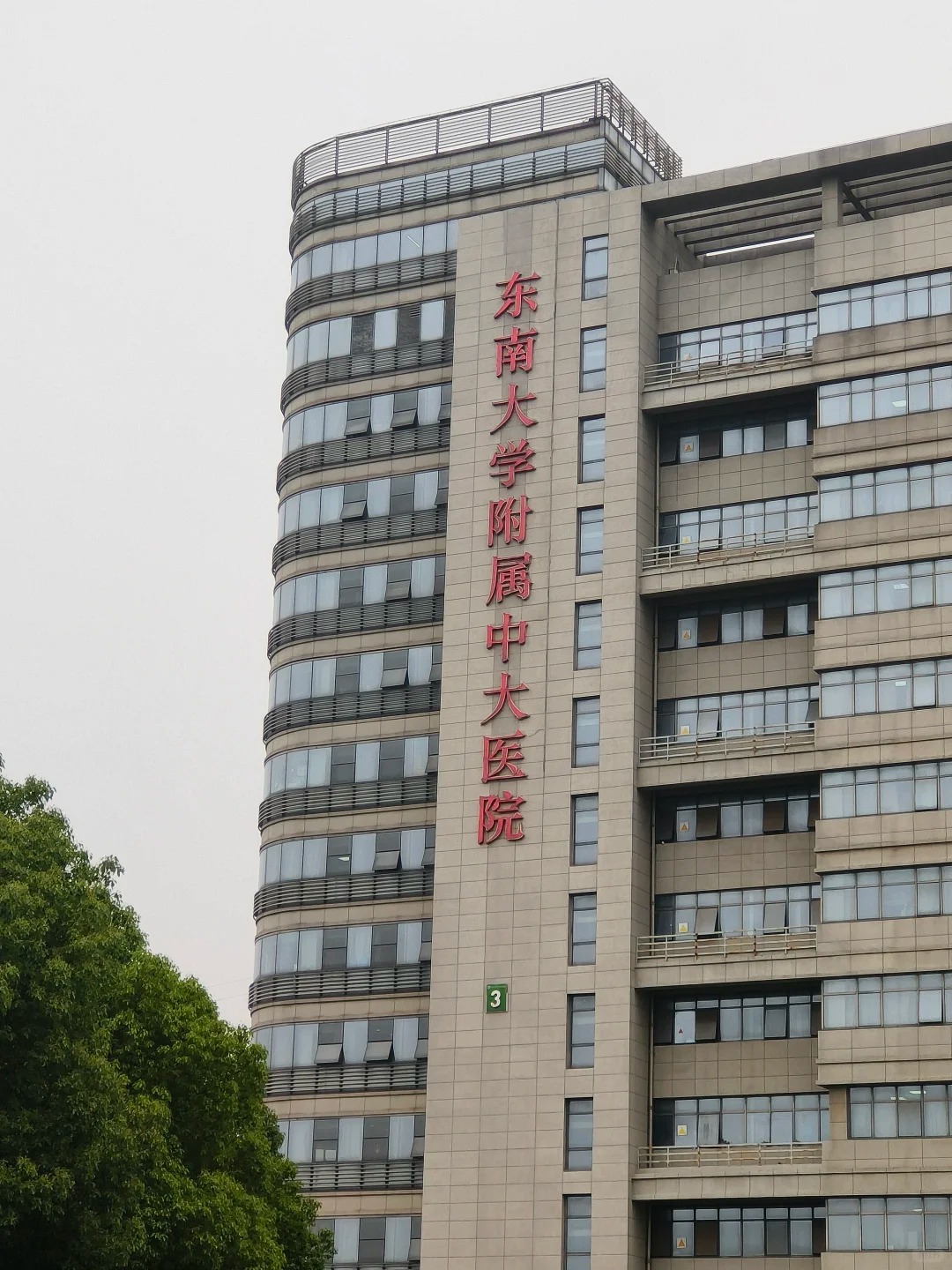
Zhongda Hospital, Southeast University in Nanjing is a public tertiary Grade A general hospital affiliated with Southeast University, combining specialist care, clinical teaching and research.
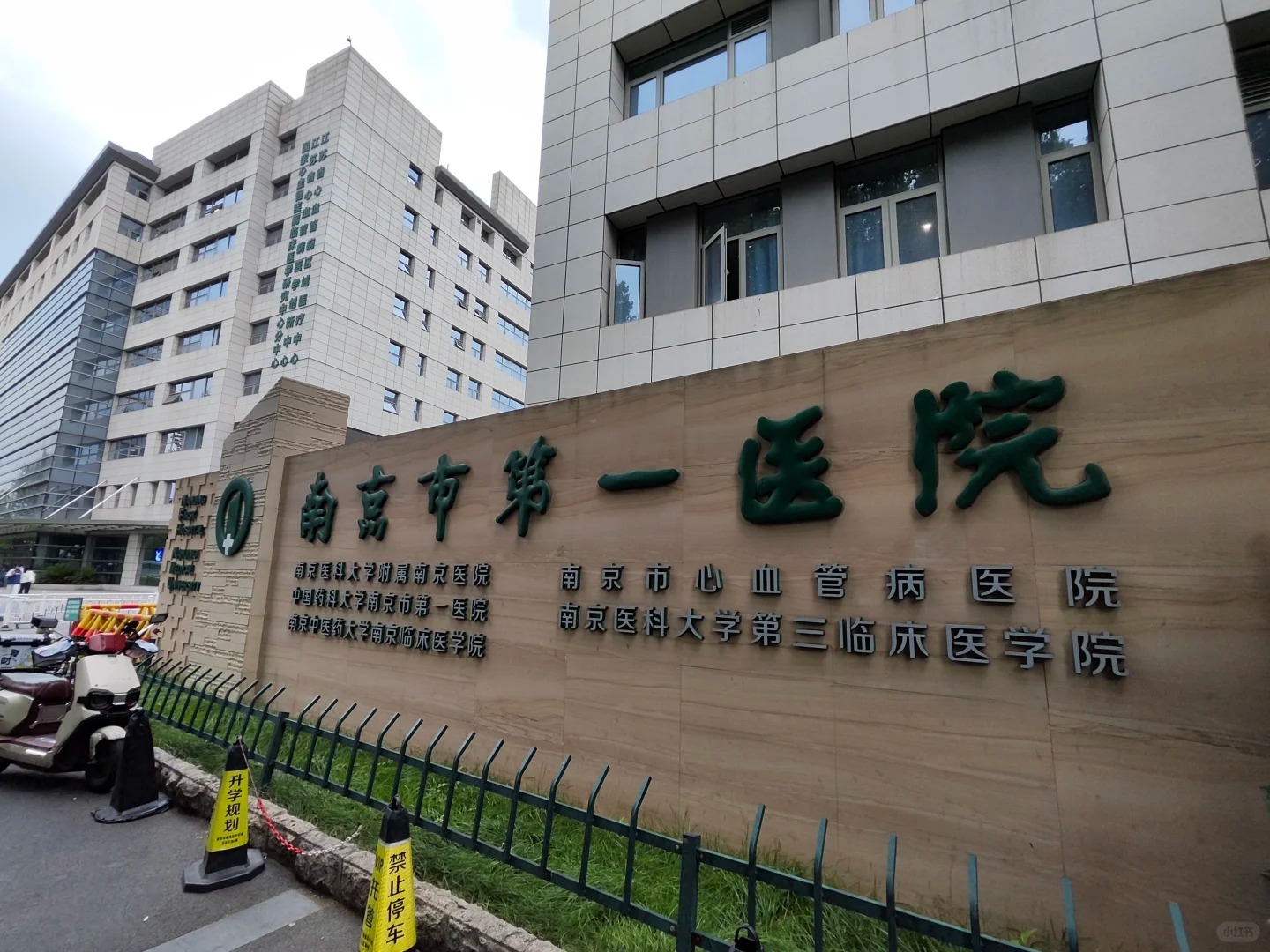
Nanjing First Hospital in Nanjing is a public tertiary Grade A general hospital associated with Nanjing Medical University. It is also known as Nanjing Cardiovascular Hospital.
Jiangsu Province Hospital of Traditional Chinese Medicine in Nanjing is a public tertiary Grade A traditional Chinese medicine hospital affiliated with Nanjing University of Chinese Medicine. It combines Chinese medicine with conventional clinical services.
Nanjing BenQ Hospital in Nanjing is a privately operated tertiary Grade A general hospital, also identified as an affiliated hospital of Nanjing Medical University.
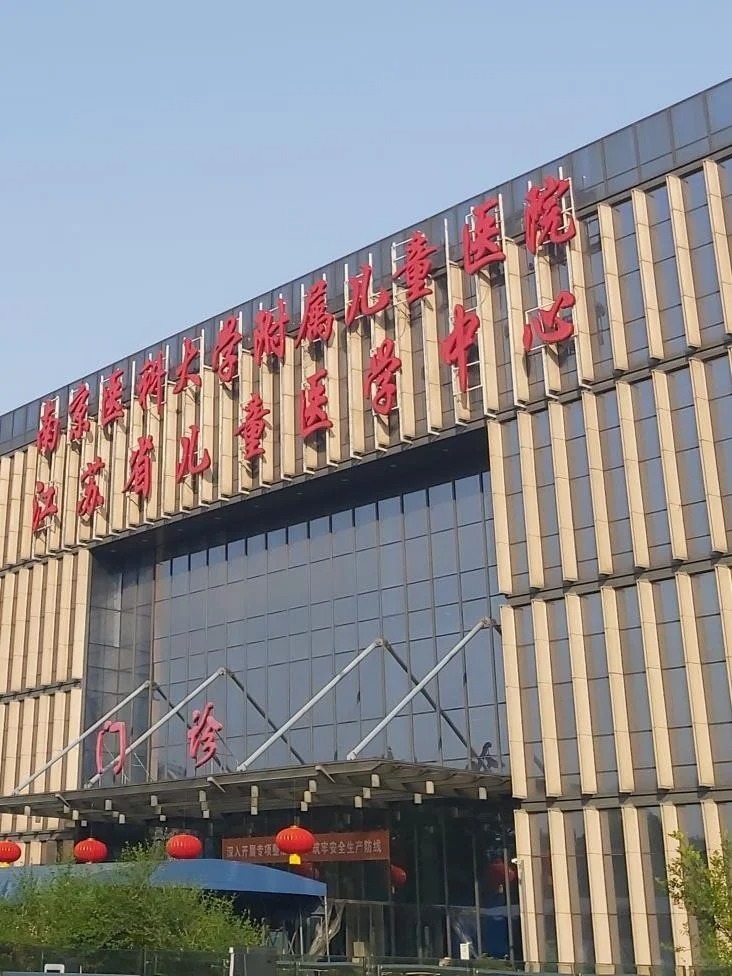
Nanjing Children's Hospital in Nanjing is a public tertiary Grade A children’s hospital. A May 2026 government announcement confirmed its designation as a National Regional Medical Center for Children.
Nanjing Maternal and Child Health Hospital in Nanjing is a public tertiary Grade A maternal and child health hospital affiliated with Nanjing Medical University, combining preventive care with clinical services.
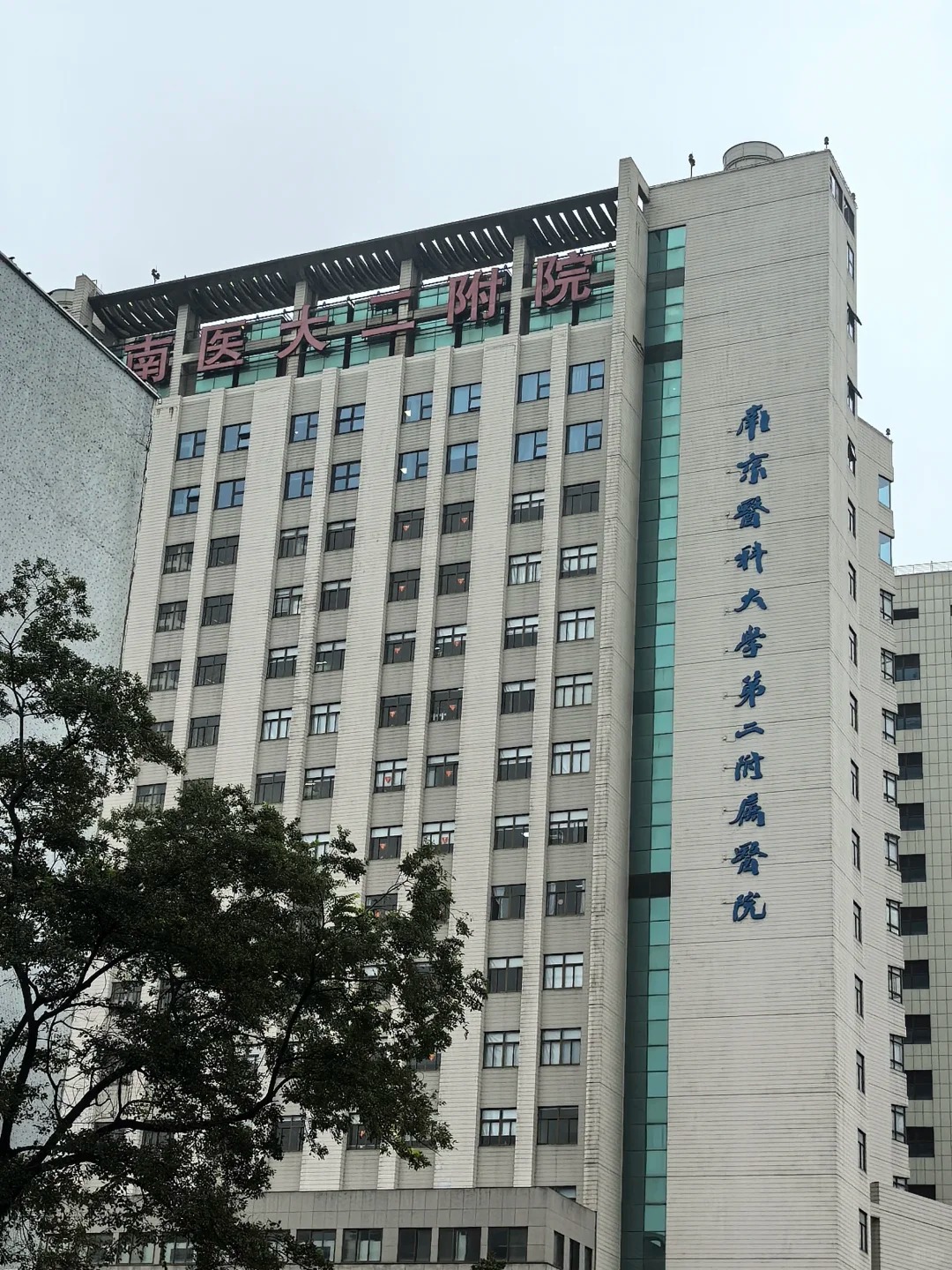
The Second Affiliated Hospital of Nanjing Medical University in Nanjing is a public tertiary Grade A general hospital directly affiliated with Nanjing Medical University. Its clinical fields include digestive medicine, nephrology, pediatrics and urology.
Jiangsu Cancer Hospital in Nanjing is a public tertiary Grade A cancer hospital affiliated with Nanjing Medical University. Documented specialties include breast, thoracic and gynecologic oncology, radiation therapy and pathology.
Nanjing Brain Hospital in Nanjing is a public tertiary Grade A psychiatric hospital with a broader clinical focus on mental health and neurological disorders. It is affiliated with Nanjing Medical University.
West China Hospital, Sichuan University in Chengdu combines multidisciplinary clinical care with Sichuan University’s medical education and research programs. Selected fields include respiratory and critical care medicine, lung-cancer care, neurosurgery, cardiovascular interventions and minimally invasive gastrointestinal surgery. Its respiratory services span pulmonary vascular disease, chronic obstructive pulmonary disease, respiratory infections and rehabilitation, supported by lung-function, respiratory-endoscopy and sleep-medicine facilities. Research platforms cover biotherapy, respiratory disease and comorbidities, and geriatric medicine.
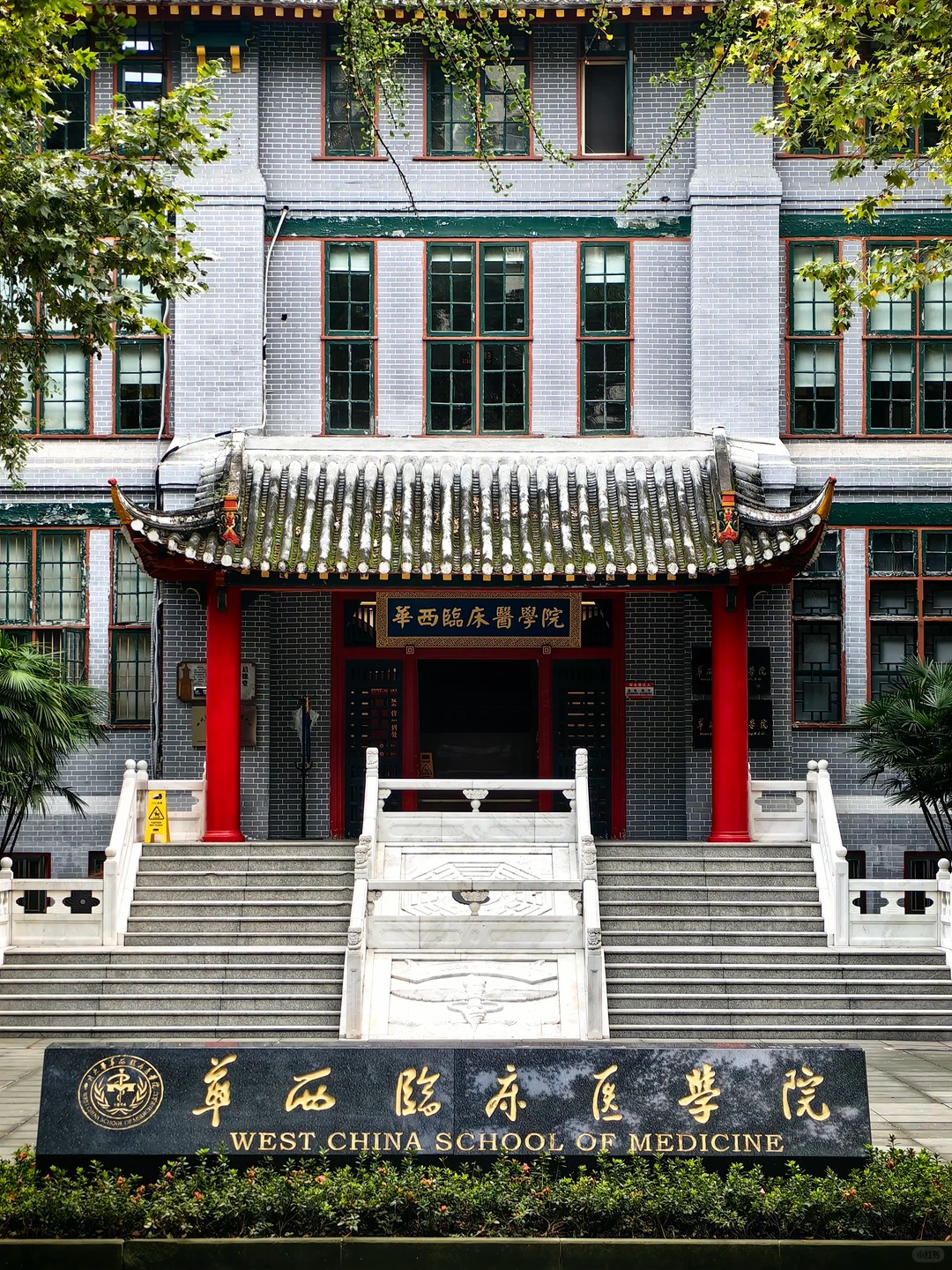
West China Second University Hospital, Sichuan University in Chengdu, also known as West China Women’s and Children’s Hospital, is a tertiary Grade A specialist hospital affiliated with Sichuan University.
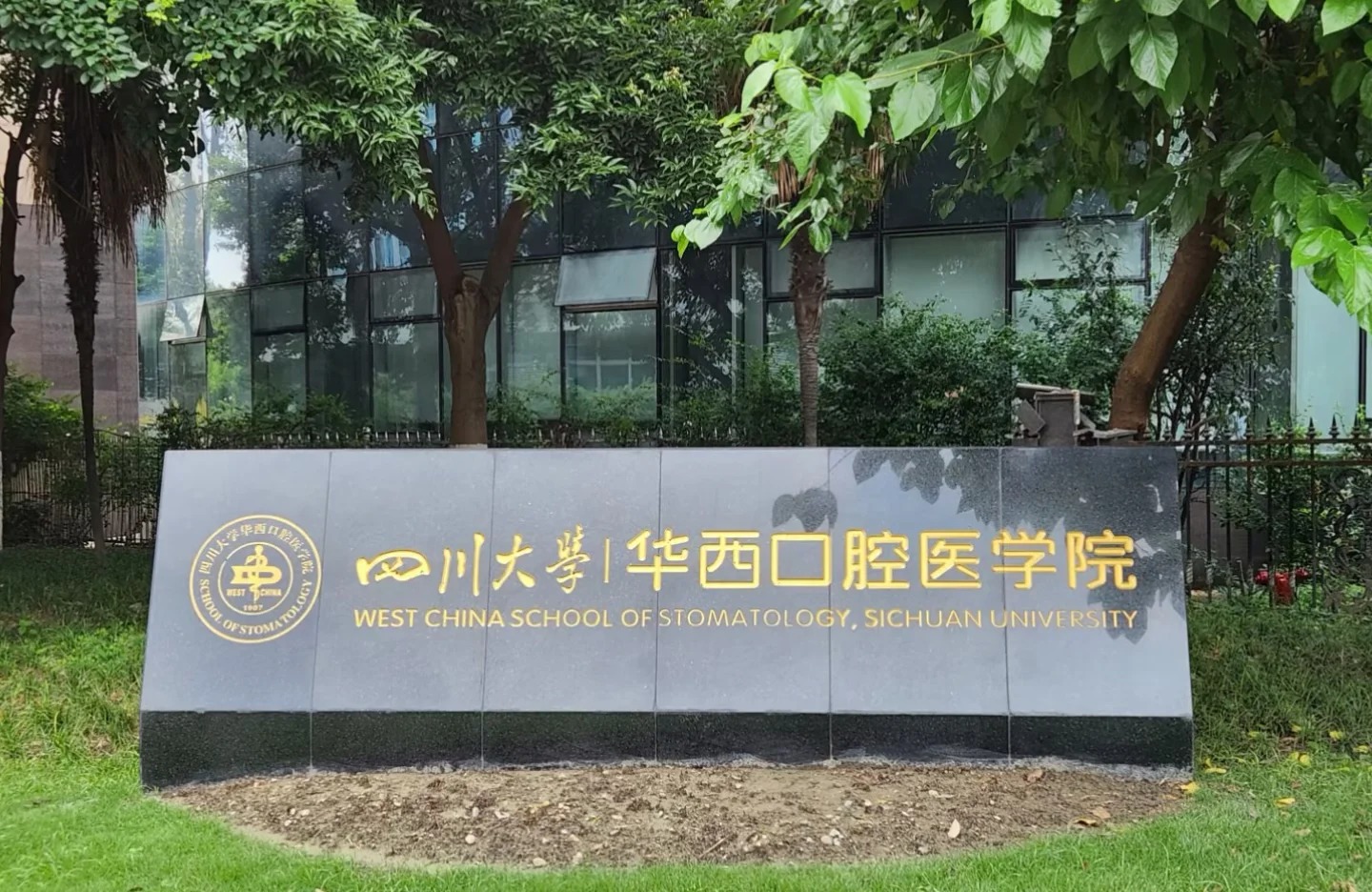
West China Hospital of Stomatology, Sichuan University in Chengdu is a tertiary Grade A dental hospital affiliated with Sichuan University and a designated National Center of Stomatology.
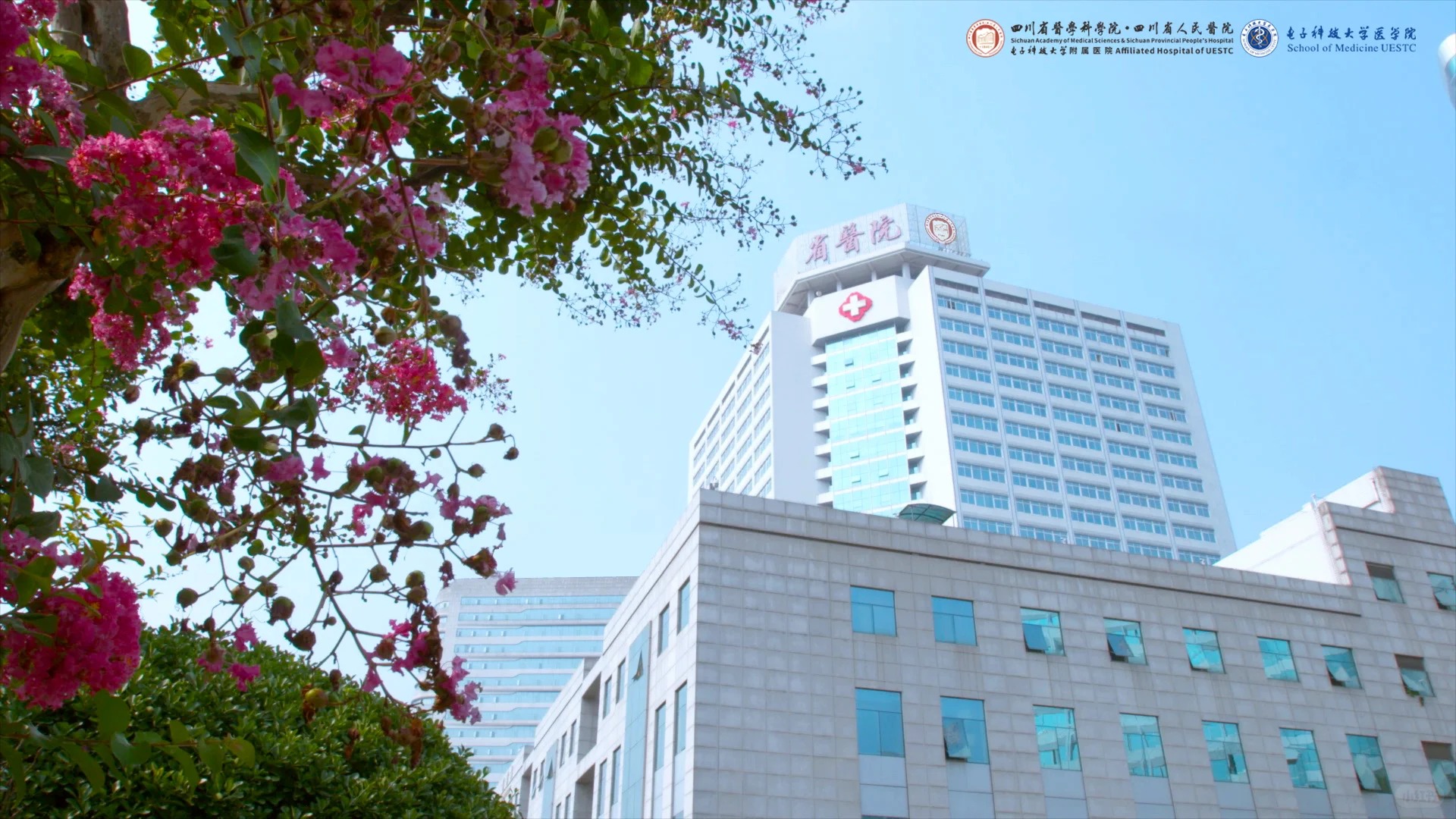
Sichuan Provincial People's Hospital in Chengdu is a tertiary Grade A general hospital integrated with the Sichuan Academy of Medical Sciences and affiliated with the University of Electronic Science and Technology of China. Its documented clinical fields include kidney and eye disease, emergency and critical care, cardiology, neurological disease and medical genetics. Research connects inherited retinal disorders and molecular diagnosis with critical-care evidence evaluation.
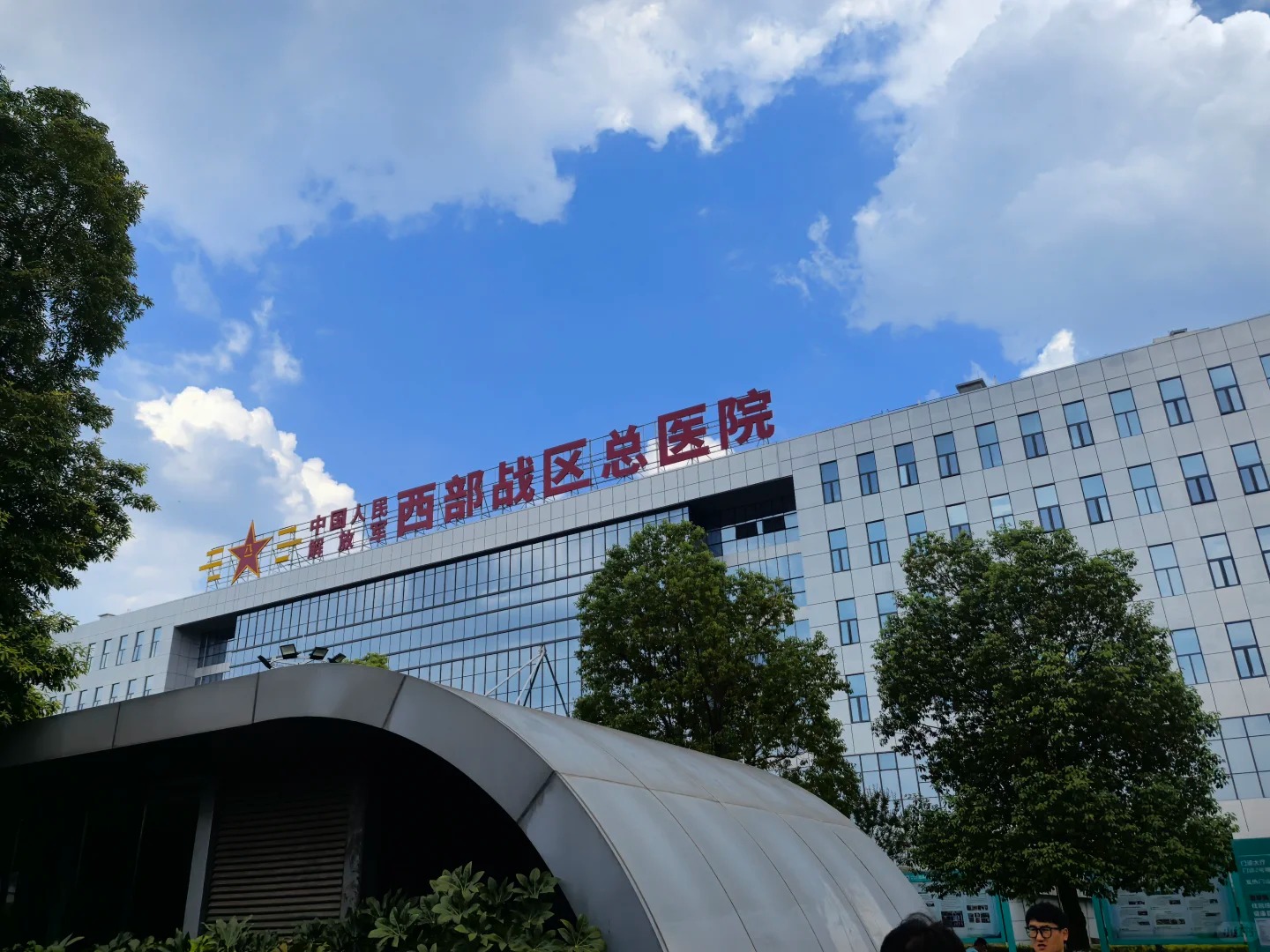
Western Theater General Hospital in Chengdu is a tertiary Grade A general military hospital, reorganized from the former Chengdu Military Region General Hospital in 2018.
Chengdu Second People's Hospital in Chengdu is a tertiary Grade A general hospital that became a non-directly administered affiliate of Sichuan University in 2025. University teaching records document dermatology, cardiology, neurology, gastroenterology and endocrinology, while original publications describe kidney and laboratory research. Examples include mass-spectrometry analysis of vitamin D metabolites and retrospective comparisons of dialysis care. These studies show specific research interests; they do not establish that a test or treatment improves outcomes for every patient.
Chengdu Women and Children's Central Hospital in Chengdu is a tertiary Grade A maternal and child healthcare institution affiliated with the School of Medicine of the University of Electronic Science and Technology of China.
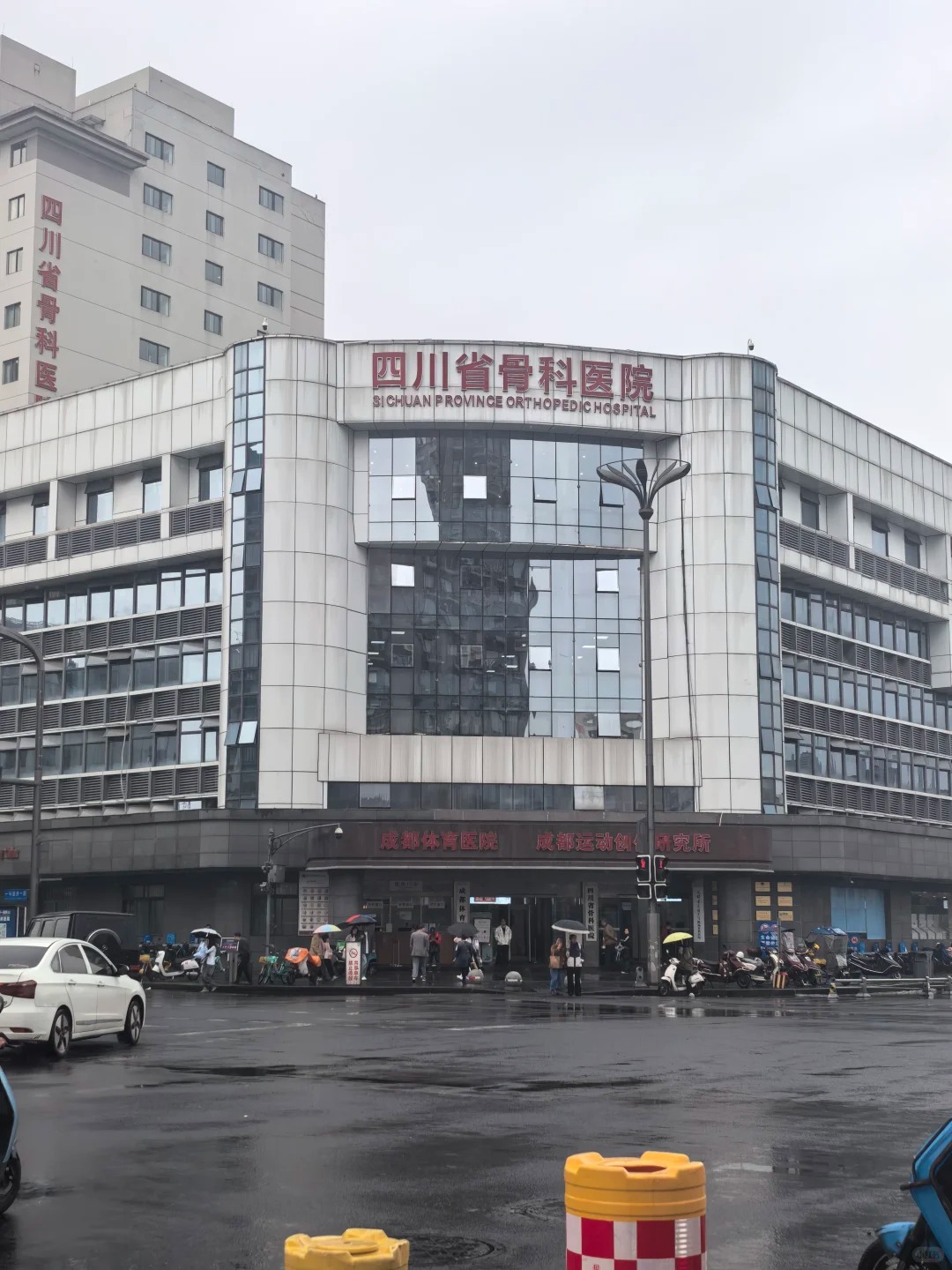
Sichuan Provincial Orthopedic Hospital in Chengdu is a tertiary Grade A traditional Chinese medicine orthopedic hospital, established in 1958. Its documented focus combines musculoskeletal injury care, sports medicine and rehabilitation, including spinal injury, degenerative conditions and joint problems in older adults. Research examples span rehabilitation after fracture surgery and experimental coatings for orthopedic implants. The latter work used cells and animal models, so it does not establish that a new implant or regenerative treatment is available to patients.
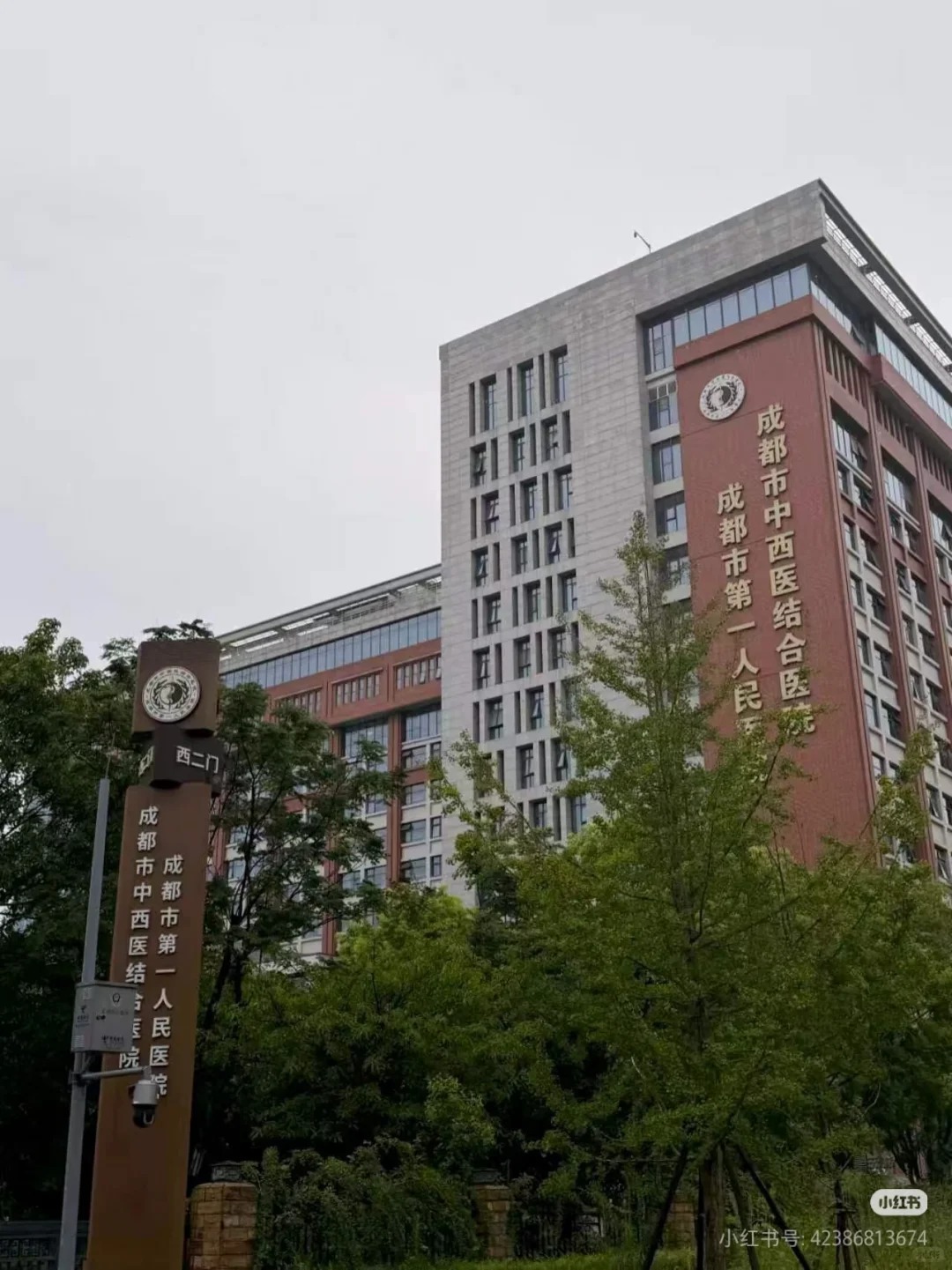
Chengdu Hospital of Integrated Traditional Chinese and Western Medicine in Chengdu, also known as Chengdu First People’s Hospital, is a tertiary Grade A general hospital. Its documented fields include gastroenterology, respiratory and critical-care medicine, cardiology and rehabilitation. Provincial records identify its gastroenterology specialty alliance, while university materials describe participation in childhood myopia-prevention research. Hospital researchers have also contributed to cardiovascular genetics studies. These examples describe clinical and academic activity, rather than a guarantee that an experimental approach is available or effective for an individual patient. These names refer to the same institution.
Hospital Affiliated with Chengdu University of Traditional Chinese Medicine in Chengdu, also known as Sichuan Provincial Hospital of Traditional Chinese Medicine, is a tertiary Grade A traditional Chinese medicine hospital.
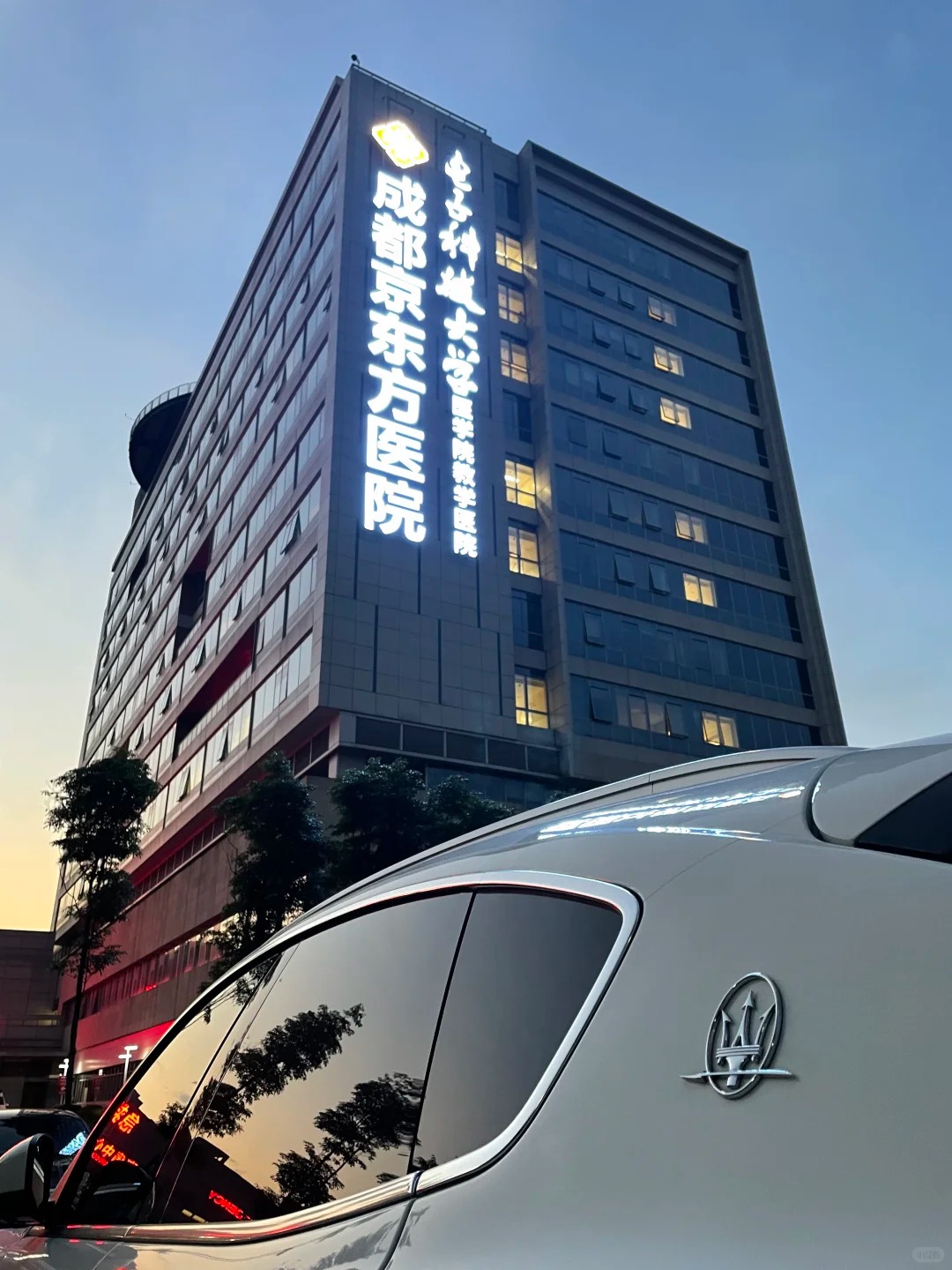
Chengdu BOE Hospital in Chengdu is a BOE-funded general hospital whose current overview describes it as tertiary Grade A. Its documented work includes spine and joint surgery, cardiovascular care and rehabilitation. Orthopedic materials describe spinal-deformity assessment, endoscopic procedures, joint replacement and technologies such as gait analysis. A registered retrospective study examines preoperative heart-and-lung fitness in severe spinal deformity. These descriptions identify clinical and research areas; individual suitability and access to a particular procedure require hospital assessment.
Annual surgeries
30K+
Annual outpatients
800K+
Language support
Chinese, English, Japanese
Pulmonology
Orthopedics
Neurosurgery
Cardiology
Dr. PandaYour Medical Partner in China
Hello, I’m Dr. Panda. Ask a general question about independent provider introductions, travel or logistics in China.